

Ancient city of Langya draws young travelers seeking cultural roots
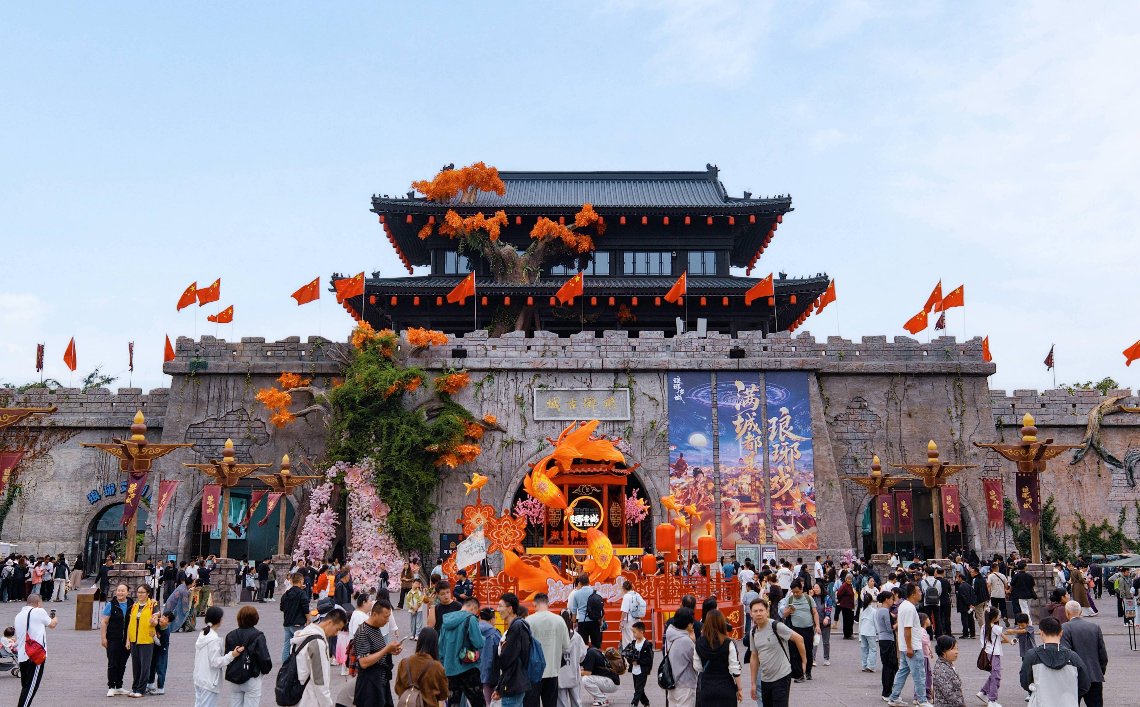
Langya Ancient City in Linyi, East China's Shandong province, received more than 600,000 visitors during the National Day holiday, up 55 percent year-on-year, and joined a national top 10 list of popular scenic areas alongside destinations that are notable not for famous mountains or rivers but for their cultural depth.
The result is no accident. In less than three years of operation, the site has welcomed nearly 13 million visitors, with 76 percent coming from outside Linyi and visitors reaching it from across the country. That raises a question worth asking: why are growing numbers of young people willing to travel to a city for an ancient town and a performance?
The answer lies partly in a shift in demand. In the past, visitors would travel long distances to see renowned mountains and rivers; today, travel places more emphasis on emotional experience. Media data show that 68 percent of domestic tourists now list emotional experience as their primary purpose, far exceeding those who travel mainly for sightseeing.
Located in Hedong district, the 4A-level Langya Ancient City is built on architecture as its frame, culture as its soul, and high-quality performances and professional operations as its two wings. What sets it apart is its focus on local culture. Drawing on Linyi's 3,000-year heritage, it explores cultural elements unique to the region, including Dongyi civilization, the ancient Langya culture, the ethos of the Wei and Jin dynasties and Yimeng revolutionary history, using an immersive system to connect a complete historical timeline.
"The past emphasis was on famous landscapes. Today, more and more visitors travel to a city for a single performance," said Liu Yunfeng, founder of Langya Ancient City and chairman of Shandong Lehua Tourism Development Group.
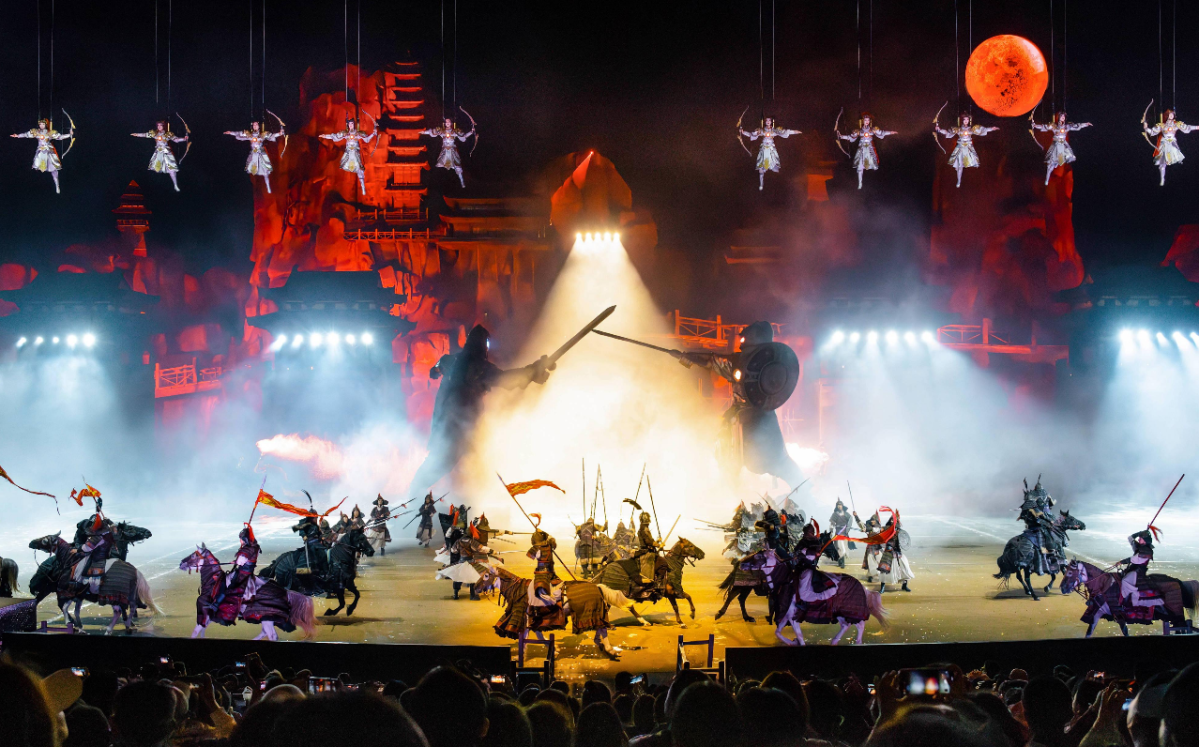
The flagship show has been staged more than 2,400 times, drawing over 5.2 million spectators with a steady attendance rate above 85 percent, and was selected for the second batch of national quality tourism performance programs by the Ministry of Culture and Tourism this year — the only Shandong project in that batch. The site has since moved beyond a single-show approach, with more than 300 Chinese-style performances staged regularly and over 100 costumed performers roaming the streets, creating an immersive environment throughout the park.
Analysts note that large-scale performances function as a "time anchor" that restructures visitor itineraries. By combining large-scale live performances, immersive interactive shows and dining performances, the site upgrades scattered sightseeing stops into continuous immersion, naturally stretching visitors' time budgets to a full day or more. Average visiting time has extended from one to two hours to a day or even a two-day stay, with per-visitor secondary spending exceeding 200 yuan ($28) and more than 70 percent of out-of-town visitors coming specifically for the site, driving revenue across accommodation, dining and retail.
"This National Day trip was well worth it. Every performance here became a spiritual experience," said Wang Zhong, a visitor from Anhui province.
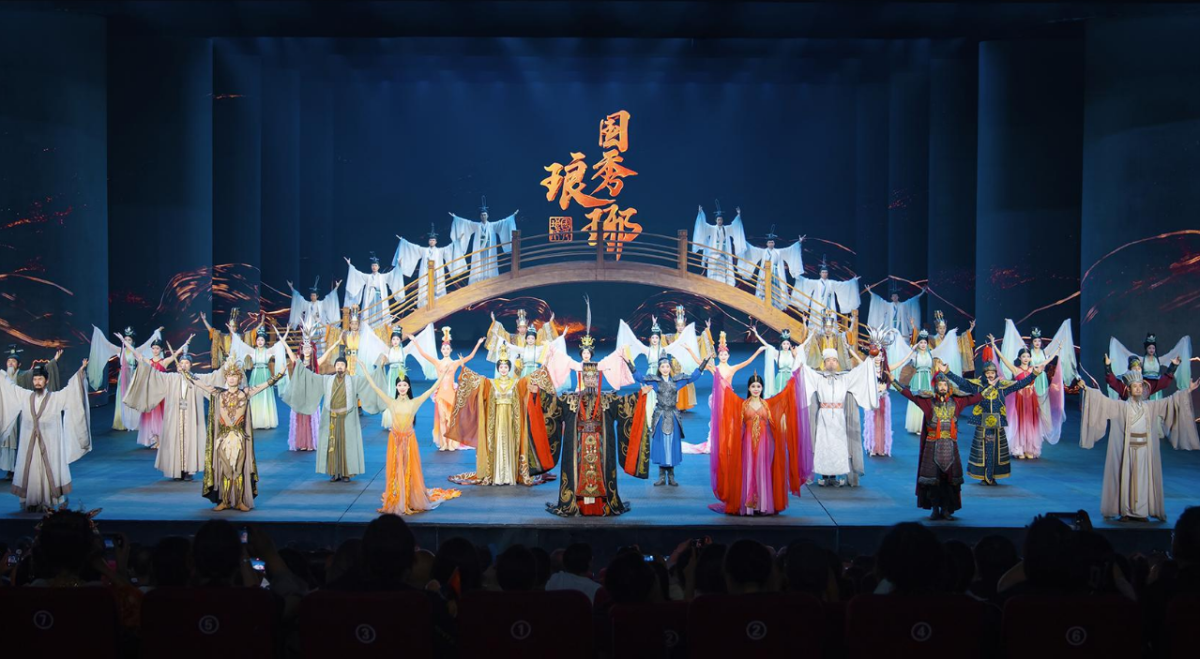
The appeal rests on three forms of integration. Technology: indoor shows use 178 sets of stage machinery, live equestrian performances use water, city wall, mountain and arena settings, and another production uses a 500-meter elevated corridor for walk-through viewing. Business formats: performances are integrated with interactive characters and commercial streets, turning viewing routes into spending routes, with costume rental shops and cultural creative stores seeing strong demand. Ecosystem: supporting facilities cover dining, accommodation, travel, shopping and entertainment, connecting daytime tours, night-time performances and related spending.
The model addresses a common problem for traditional scenic areas — sightseeing during the day and leaving by mid-day. Performances are no longer a supplement but the primary reason visitors make the trip.
Editor:韩蒙蒙