

Linyi school's rooftop farm yields black peanut harvest
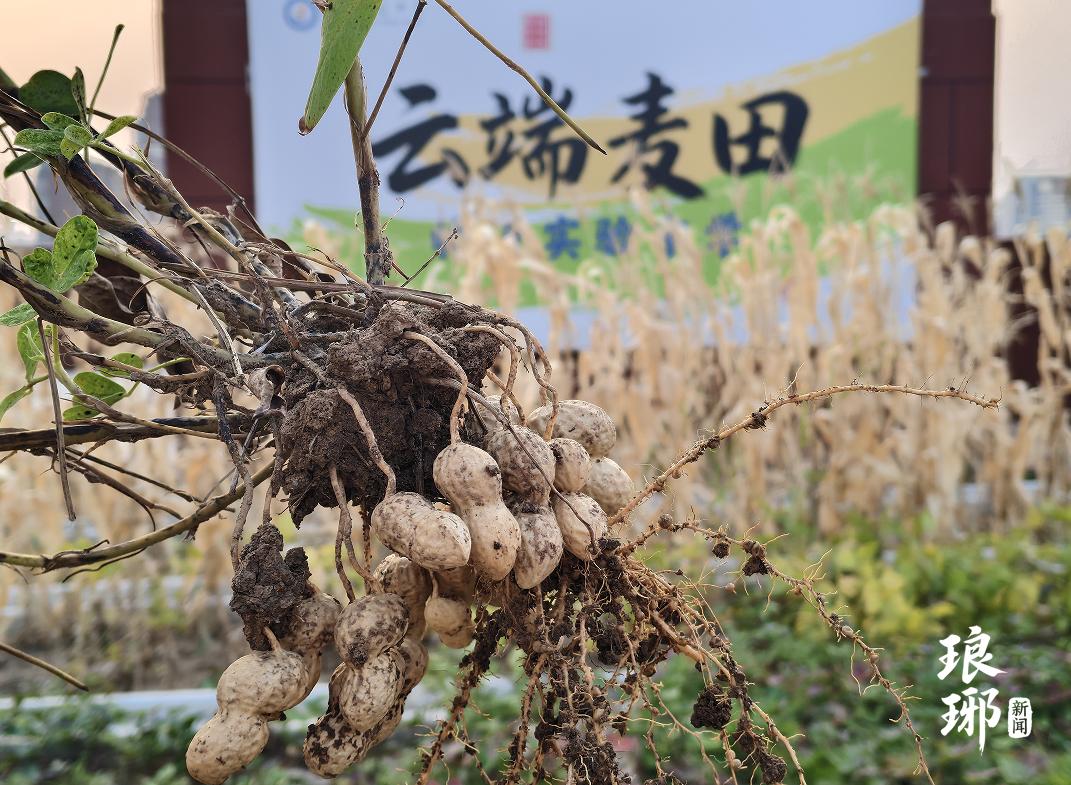
The rooftop "cloud farm" interdisciplinary practice base at the north campus of Linyi Experimental Middle School in East China's Shandong province has harvested its crop of black peanuts grown after wheat, with teachers and students taking part in the autumn harvest.
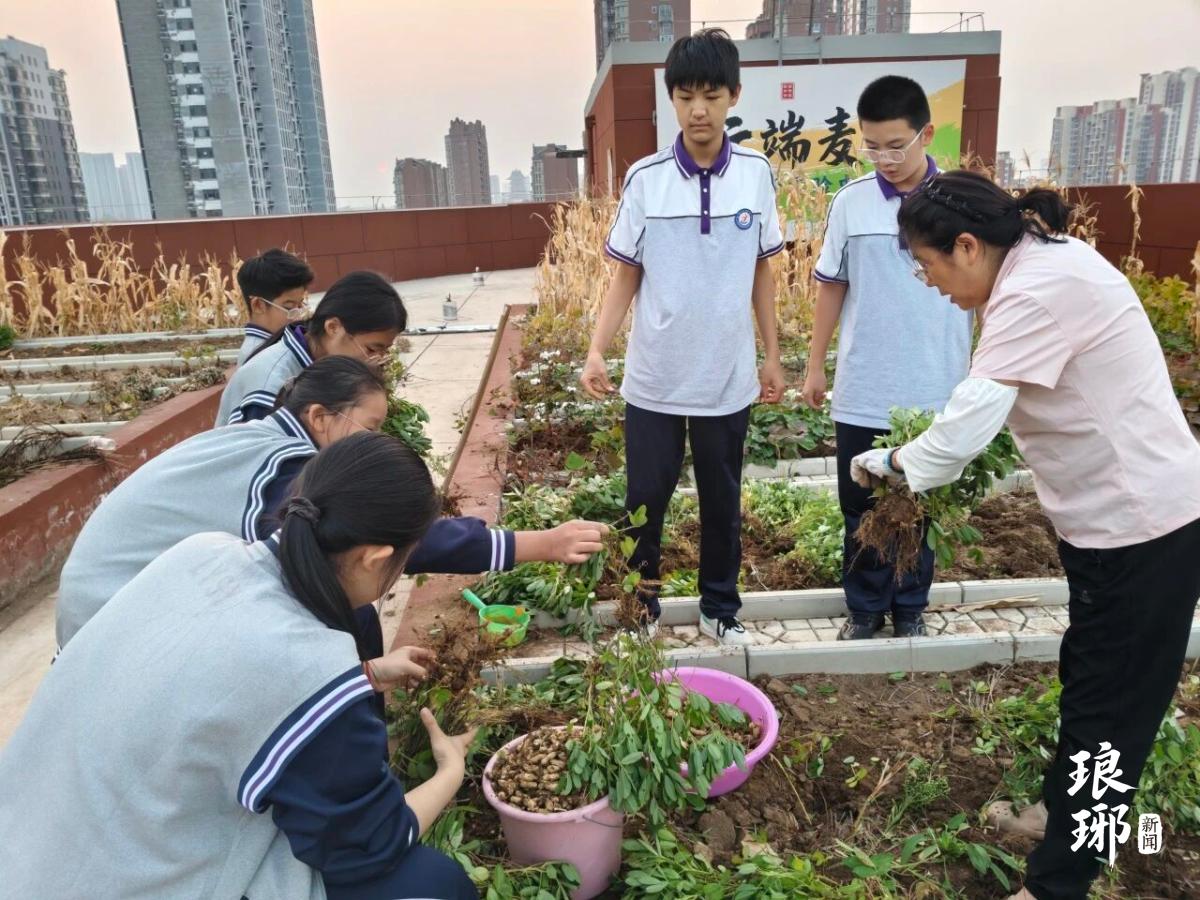
The base uses a dual-track model of class responsibility plots and club specialty plots. After this year's wheat harvest, students, guided by teachers, prepared the soil, formed ridges, sowed seeds and covered them, planting black peanuts after the wheat. From planning in March and April through summer loosening of soil, weeding, irrigation and observation to the autumn harvest, the project spanned several months.
Teachers moved their classes to the field, explaining the growth habits of black peanuts and the principles of growing crops after wheat, and leading students to observe plant forms and explore how soil and light affect crop growth, turning textbook knowledge into hands-on experience.
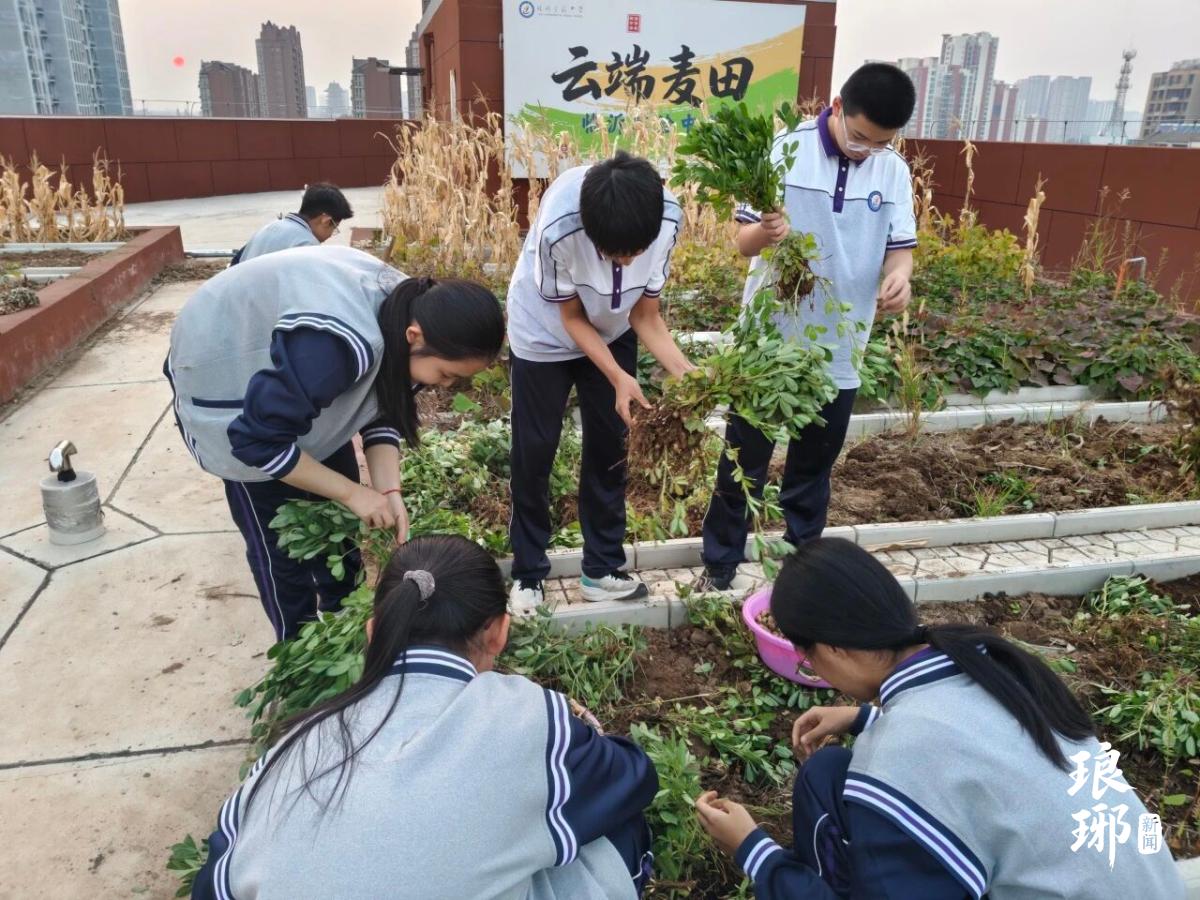
At the harvest, teachers first explained the characteristics of black peanuts, harvesting techniques and safety precautions. Black peanuts have purple-black seed coats and are rich in trace elements, with some varieties high in selenium. Because summer-sown crops after wheat have a shorter growth cycle, the crop demands greater field management. Students worked in groups, pulling up plants, shaking off soil, picking pods and sorting, with the hands-on work also drawing nearby primary school students.
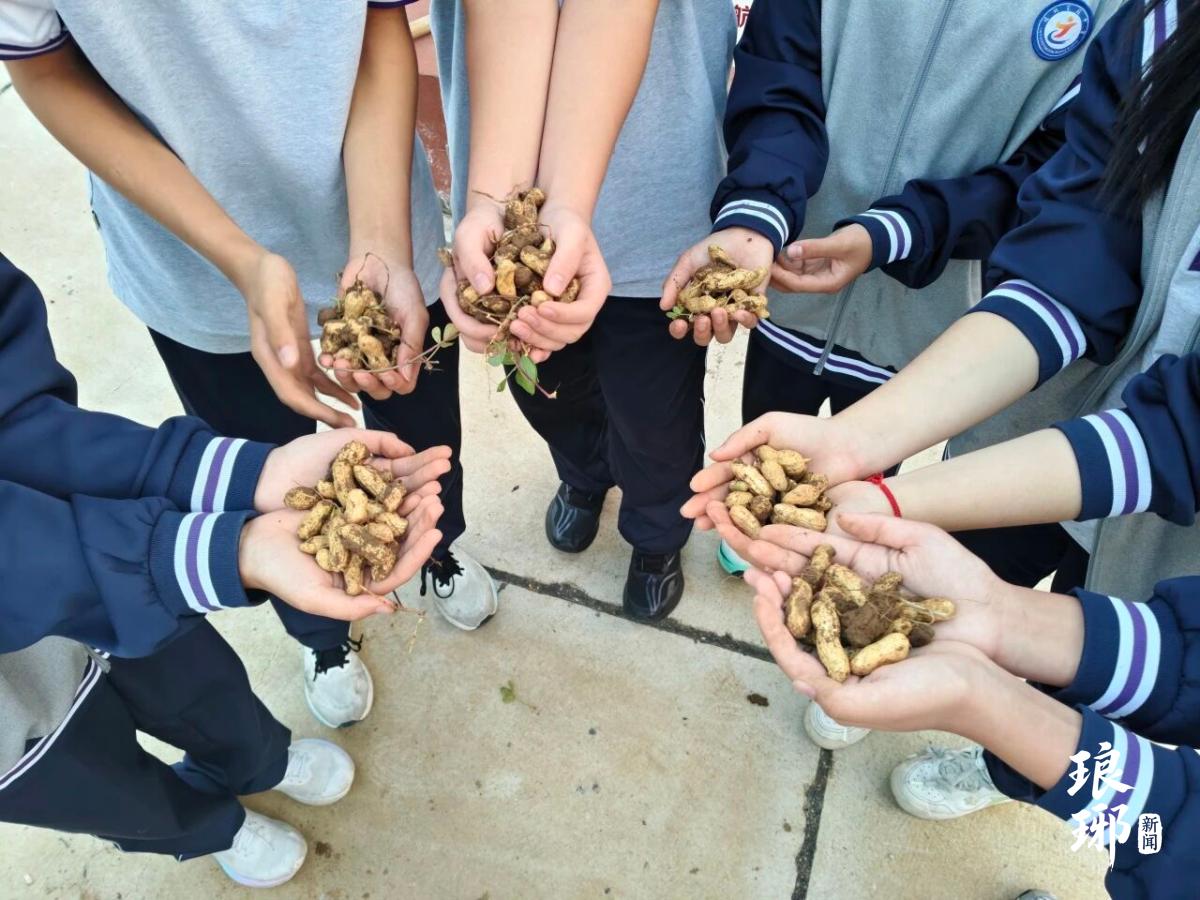
The school said it will continue to develop the rooftop practice base as a regular school-based course, integrating labor education, responsibility education and interdisciplinary inquiry, and taking students out of the classroom and into the field so they can grow through the full cycle of sowing, tending and harvesting.
Editor:韩蒙蒙