

Linyi rolls out charging network to fuel green new energy heavy truck logistics

Linyi issued two implementation plans for new energy heavy-duty trucks on June 30, launching construction of 26 high-power charging demonstration stations, with the first batch of 10 stations to be put into operation by late August.
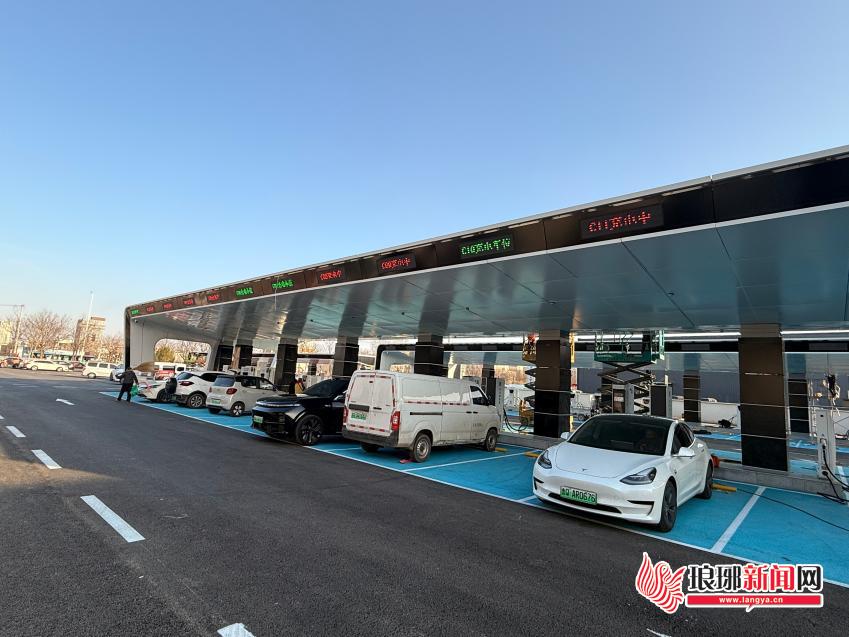
As China's renowned logistics capital with 169,000 operational freight vehicles, Linyi faces prominent range anxiety for electric heavy trucks. The planned charging network covers 10 stations along 5 pairs of service areas on Beijing-Shanghai, Changchun-Shenzhen and Rizhao-Lanzhou expressways, plus 16 stations on 8 national and provincial highways including G518 and S313, forming a green energy supply corridor linking Jinan, Qingdao and the Yangtze River Delta. Each station is equipped with chargers of no less than 720 kilowatts, five to six times faster than ordinary fast chargers.
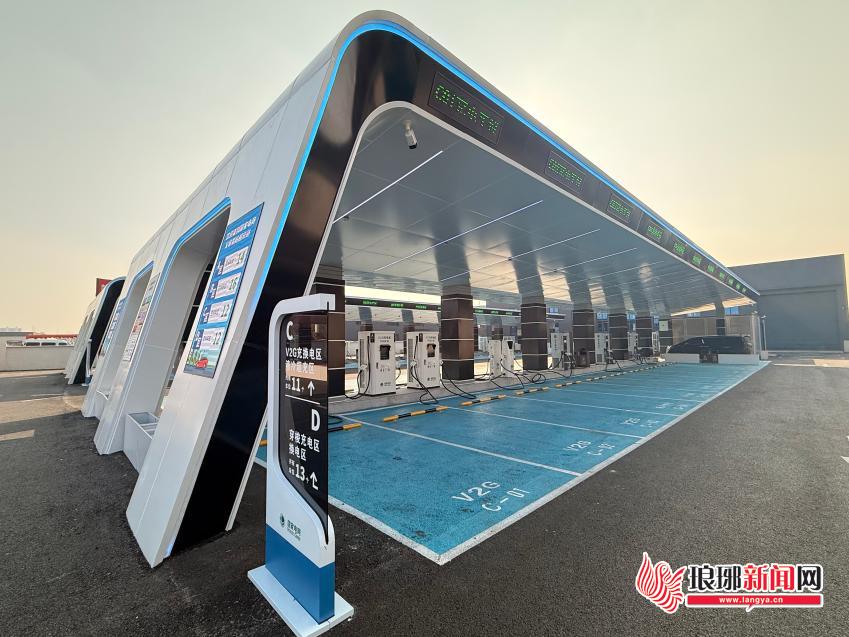
The stations adopt integrated photovoltaic-energy storage-charging-swapping layouts and supporting “driver home” service zones. Targeted policies include highway toll discounts, reduced green electricity prices, loan interest subsidies for new trucks and a maximum subsidy of 140,000 yuan for scrapping old diesel trucks. The city sets clear targets: over 20% penetration rate of electric heavy trucks in 2026 and 40% by 2030.
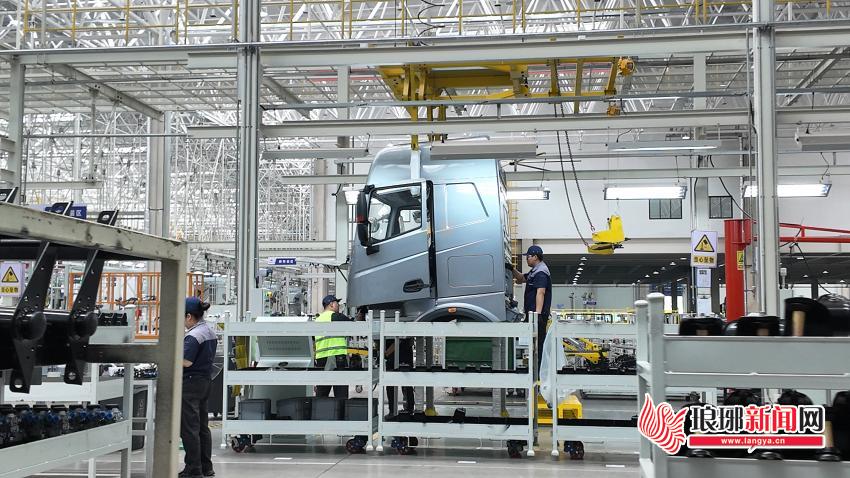
A complete industrial chain has taken shape with Lingong, DeepWay and Luoxiang as leading manufacturers. The industrial chain output value hit 17.4 billion yuan in 2025, up 27.9% year-on-year, ranking first among Linyi's 13 key industrial chains. Linyi also launches an electric heavy truck overseas campaign to export “Made in Linyi” products under the Belt and Road Initiative.
From a logistics hub to a green intelligent manufacturing highland, Linyi's comprehensive layout of new energy heavy trucks and supporting charging infrastructure drives the city's transformation from traditional fuel logistics to low-carbon green transportation, fostering a new growth engine for the local economy.
Editor:韩蒙蒙