

Linyi's barter economy revitalizes idle resources and boosts real economy circulation
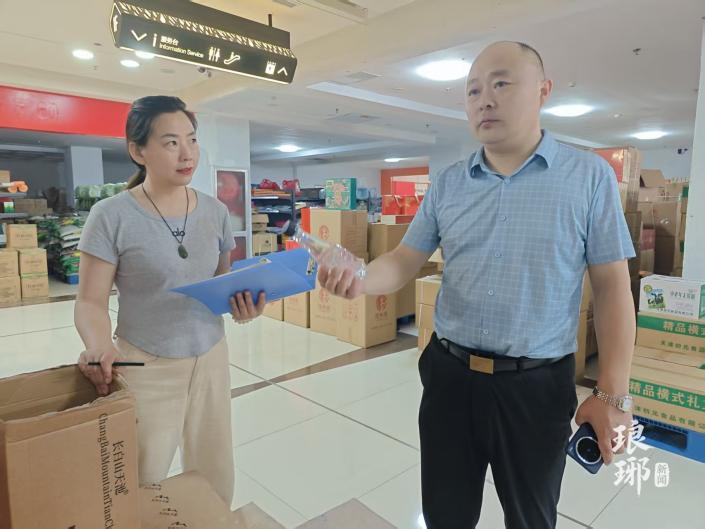
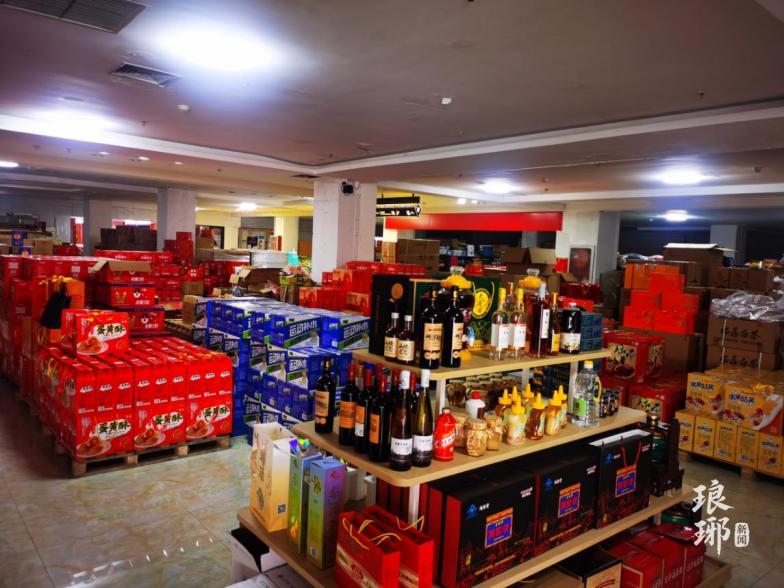
Linyi has developed a thriving barter economy in recent years, effectively solving the operational dilemma of "overstocked goods and cash shortage" for local enterprises. By realizing resource exchange without cash transactions, the city revitalizes idle and overstocked resources and smooths industrial supply and demand circulation.
Supported by digital barter platforms, Linyi's barter business covers real estate, automobiles, building materials, agricultural products, catering services and other fields, with more than 3,000 settled merchants and tens of thousands of tradable commodities. Bartered goods mainly come from overcapacity products, closed-store inventories, idle corporate supplies and advertising offset goods, effectively unclogging market circulation blockages.
The city's barter trade features multi-cycle matching and tangible-intangible integrated exchange. Enterprises can exchange overstocked products for production materials, operational services, packaging design and staff training services without cash payment. Small and micro enterprises with insufficient startup funds have successfully incubated new projects through barter transactions, while homestay and catering industries optimize operational resources and reduce capital pressure via resource exchange.
It is estimated that Linyi's annual domestic barter trade volume reaches four to five billion yuan, driving 2 to 3 times of supporting consumption. Relying on its strong commercial and logistics advantages, Linyi is accelerating the construction of the "China (Linyi) International Digital Barter Capital" and actively exploring cross-border barter modes to empower the high-quality development of the real economy.
Editor:韩蒙蒙