

Three keywords interpret Linyi's upgraded comprehensive transport capacity
Three core keywords – transport corridors, UN port code and green energy corridors – fully illustrate the remarkable improvement of Linyi's comprehensive transport capacity in the first half of 2026. A series of key data highlights robust momentum of the city's transport sector: multimodal container throughput surged 96.5 percent year-on-year; cumulative investment in the Weifang-Suqian High-speed Railway Linyi Section hit 14.38 billion yuan; sales of new energy heavy trucks more than tripled compared with last year.
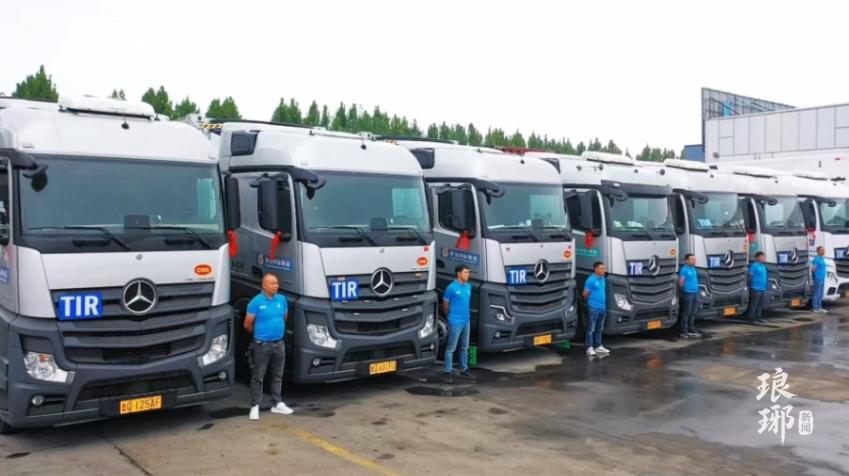
First keyword: transport corridors for higher-level opening-up. Geographically restricted as an inland city without borders or seaports, Linyi has broken development limits by expanding international logistics routes. New Mongolia routes and extended GMS & TIR lines to Laos and Myanmar enable Linyi trucks to reach 10 neighboring countries. Over 1,200 international road shipments departed in H1, up 11 percent year-on-year, making Linyi a vital hub on the Eurasian land transport network. Regular five-times weekly rail-sea shuttle trains between Linyi East Station and Qingdao Port enjoy a 59-percent freight discount, cutting logistics costs for manufacturers by roughly 15 percent and recording 181,000 TEU of multimodal container volume.
Second keyword: CNLYI UN port code for upgraded hub competitiveness. The officially approved UN/LOCODE CNLYI serves as Linyi’s international identity in global trade. Linyi Inland Port is recognized as an official origin and destination port in cross-border shipping rather than a mere transit point. Supported by Shandong Port Linyi Branch and the "container-as-warehouse" model, a fully functional dry port has taken shape, laying solid ground for Linyi Trade City’s global expansion.
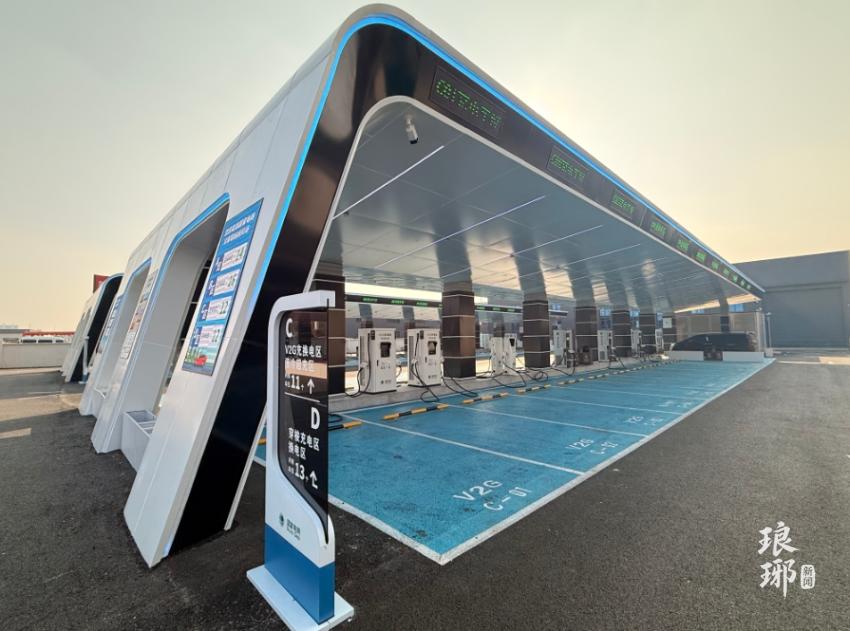
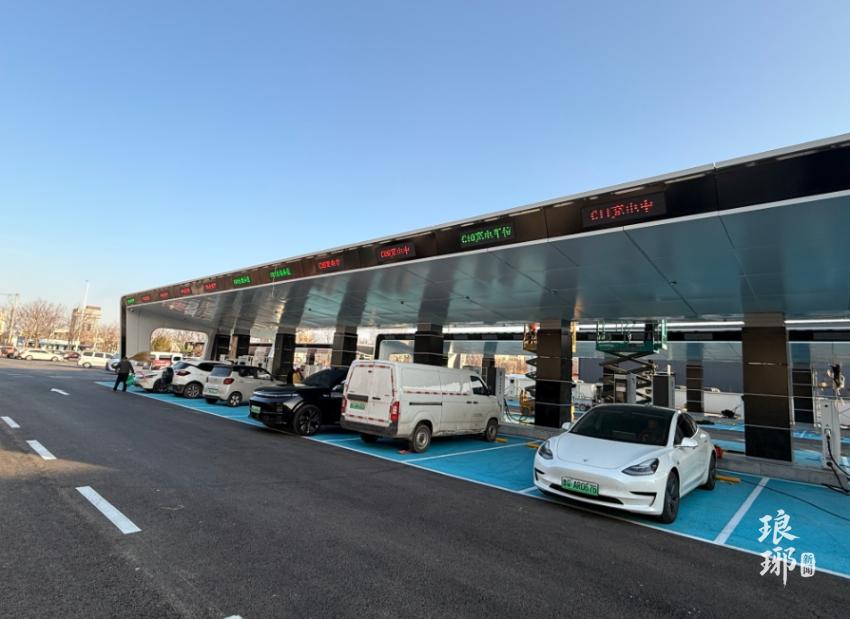
Third keyword: green energy corridors leading industrial low-carbon transition. Driven by dual-carbon goals, Linyi witnessed over 300 percent growth in new energy heavy trucks. The Yitang ultra-fast charging station achieves a 300-kilometer driving range with a 10-minute charge and builds a zero-carbon energy loop integrating photovoltaic, energy storage and flexible power use. The city constructs a two-vertical-one-horizontal charging backbone along Beijing-Shanghai and Changchun-Lankao Expressways, plus two-vertical-two-horizontal charging corridors covering national and provincial highways over 1,000 kilometers, forming an interconnected charging network serving overseas trade, steel delivery and Yangtze River Delta connectivity strategies.
Other landmark transport progress includes the opening of G518 Expressway that integrates Lingang and Junan into a one-hour commuter circle, as well as steady construction of the Weifang-Suqian High-speed Railway and preliminary preparation for the Lai-Lin High-speed Railway, paving the way for Linyi’s star-shaped high-speed rail network. Linyi’s transport system reshapes its geographic position nationwide and globally via corridors for opening, codes for competitiveness and green corridors for sustainable growth.
Editor:韩蒙蒙