

Linyi pilot eases registration for one-person companies
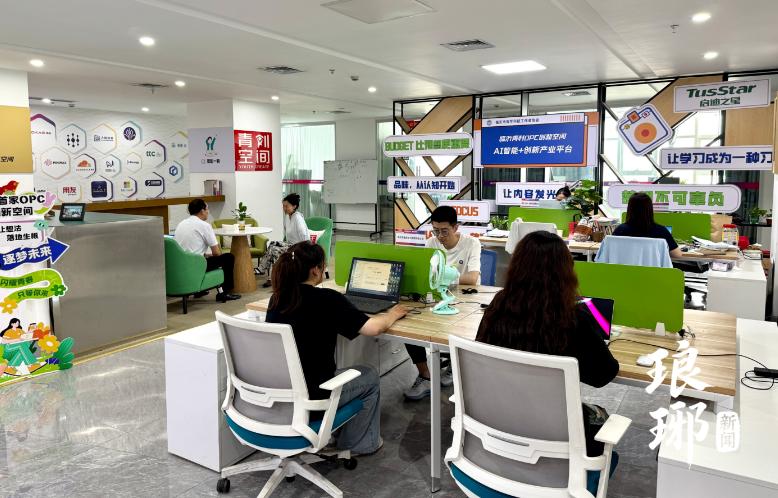
An entrepreneur in Linyi, East China's Shandong province, recently obtained a business license smoothly at the TusStar Linyi incubation base, registering a company with only a simple workstation and lightweight setup under the city's innovative one-person company registration reform.
One desk, one computer, one set of AI tools — that is a one-person company. As AI becomes deeply integrated into the economy, lightweight solo entrepreneurship is becoming a new trend for young people. But new business models move faster than old rules: no corresponding industry category, unaffordable physical premises and unfamiliar administrative procedures created invisible barriers.
In March this year, the Linyi administrative approval service bureau began addressing these bottlenecks by adding a dedicated industry name, relaxing restrictions on registered addresses and assigning staff to provide full-process assistance. The measures are tailored to asset-light startup models, turning company registration from an unavailable option into a single check-box. So far, 22 AI-related one-person companies have been newly registered in the city, with 13 established at the Linyi Youth Science OPC Innovation Space.
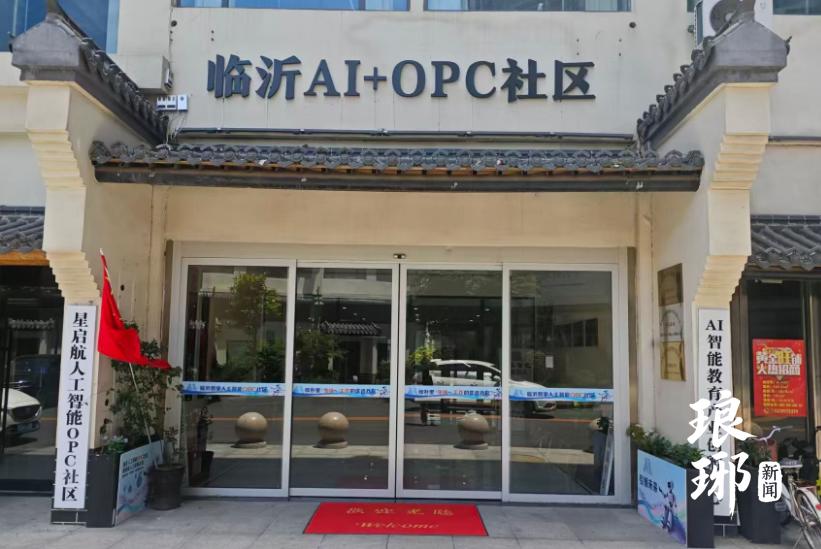
At the innovation space, the minimalist model in which one workstation equals one company has become reality. The Luozhuang district administrative approval service bureau has set up a station there offering one-on-one assistance throughout the process. "From name application to getting the license, we accompany them the whole way so companies can focus on their business," said staff member Peng Xiongyuan. Liu Yaoyao of the TusStar Linyi incubation base said the dedicated "intelligent agent technology" option means an entrepreneur's idea can become a company as soon as it takes shape.
The office space problem that most one-person company founders face has also been addressed through a new model of registered seats and multiple licenses at one address. Wu Yuping, a senior staff member at the bureau, explained: "As long as you have a desk, you can register a company." This means a shared office can host multiple companies, with a single workstation serving as a company's registered address, greatly lowering the physical threshold for starting a business.
Li Qiangqiang, Party secretary and director of the bureau, said the registration innovation is a practical step in improving Linyi's business environment and cultivating new quality productive forces. The city will continue to iterate its approval service model so that more one-desk startup dreams can take root in the region.
Editor:韩蒙蒙