

Linyi deepens Africa trade as inland trade hub expands opening-up
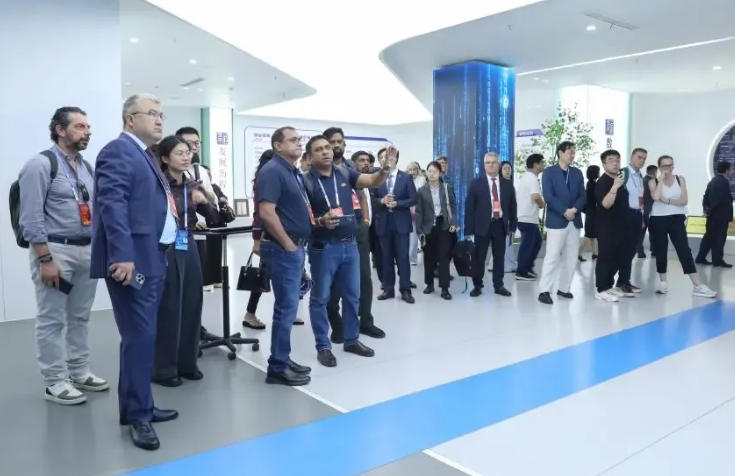
Linyi in East China's Shandong province is deepening its push into African markets, building a government-enterprise trade framework under the "hundreds of delegations, thousands of enterprises, Linyi Trade City going global" initiative, according to an announcement by Shandong provincial authorities on Oct 8.
Linyi's core advantage lies in its market procurement trade mechanism, which allows small and medium-sized merchants to ship mixed consignments of small batches and many categories — products well suited to African consumer demand. The city's timber, hardware, labor protection and daily light industry sectors form an integrated "shop in front, factory behind" ecosystem.
Trade data reflects that momentum. From January to July this year, Linyi's imports and exports with Africa reached 19.64 billion yuan ($2.77 billion), up 37.2 percent year-on-year, with Nigeria becoming the city's fifth-largest trading partner. Hardware and building materials, daily necessities, panels and labor protection products continue to flow to African countries.
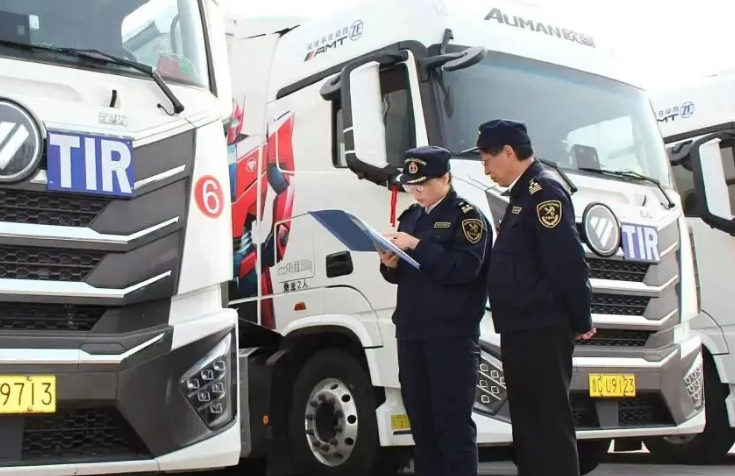
The new trade plan introduces several models adapted to African markets, including the promotion of a "warehouse-display integrated, asset-light" model that encourages companies to upgrade overseas warehouses into public showrooms, a "whole-store export plus localized distribution" approach that replicates small commodity collection store operations, and combined consignment and sea-rail intermodal transport solutions. It also promotes a "inspection before loading" supervision model and African sites on cross-border e-commerce platforms.
Overseas production cooperation is proceeding in parallel. The Nigeria Dazhong Industrial Park and the Angola Aode Industrial Park have been built to high standards, and the Zambia Qilu Industrial Park is being developed, shifting outbound investment from single-product exports toward coordinated industry chain expansion. Linyi has set up overseas service stations in five key African countries and compiled country-specific market guides covering market access, consumer characteristics and risk points. To date, Linyi has established 79 overseas warehouses in more than 30 countries worldwide, with its African network continuing to expand.
The announcement also noted existing weaknesses, including wide differences in African regulations and geopolitical conditions, high exchange rate and operating risks that small merchants are less able to absorb, inland logistics that require transshipment, a continued reliance on basic light industrial goods with a low share of high-value own-brand products, and insufficient cross-border talent, legal services and financial support.
Among Shandong's 16 cities, coastal cities rely on ports for ocean trade, while Linyi has pursued a path suited to an inland commercial city, using its supply chain and market procurement mechanism to connect inland markets directly with African end demand.
Editor:韩蒙蒙