

Steel plant posts 60,000-ton carbon surplus in first year of national carbon market
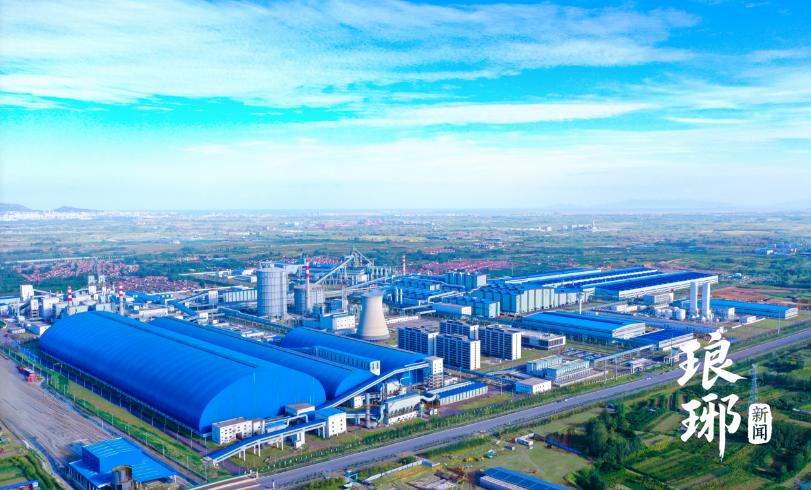
Linyi Iron and Steel Investment Group Special Steel Co Ltd in East China's Shandong province posted a carbon allowance surplus of more than 60,000 tons in the first compliance year for the steel industry under the national carbon market, with carbon emission intensity for key processes at 0.87 tons of carbon per ton of hot metal, better than the national industry benchmark of 0.95 tons.
This means the long-process steelmaker does not need to buy allowances to meet its obligations and has turned saved carbon indicators into tradable assets. Based on current carbon trading prices, the surplus allowance could generate about 6 million yuan ($845,000) in revenue, placing the company among the leaders in its industry.
"Carbon emissions used to be a cost; now saving carbon is income," said Hou Yanwei, deputy general manager of the company.
The year 2025 is the first in which the steel industry is subject to intensity control under the national carbon market, turning "emitting carbon has a cost, reducing carbon has a benefit" from policy language into real money. Rather than treating it as a compliance task, the company elevated carbon management to the strategic level, setting up a dedicated carbon asset management center that links accounting, reporting, verification and compliance into a closed loop, with carbon data entering daily reports and assessments like production data.
"It is not year-end accounting, it is daily accounting," said Song Jianbo, deputy head of the company's information and automation department. The company has embedded carbon emission intensity into the assessment of each production unit, with monthly scoring and quarterly comparisons, and has trained nearly 300 management and technical staff on carbon accounting, trading and footprint.
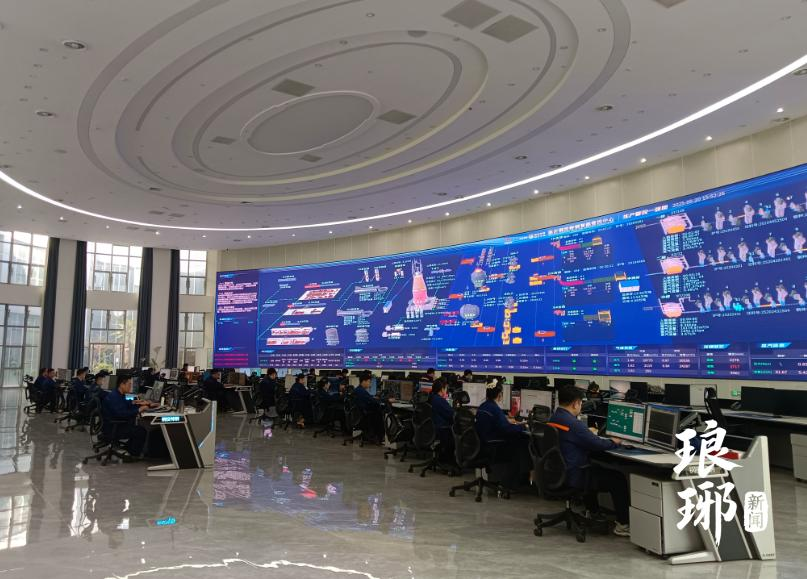
The company has worked along a full process of scientifically calculating carbon, reducing it at the source, decarbonizing in production, coordinating reductions and controlling carbon intelligently. It jointly developed high-quality metallurgical coke with a local new energy company, moving the carbon reduction line to the raw material stage; higher-grade coke can cut coke consumption by 4 kilograms per ton of hot metal while maintaining blast furnace smelting intensity, according to Xu Baokun, deputy head of the company's process technology center. At the blast furnace, constant-humidity blast and oxygen-enriched baking improve fuel combustion; the hot blast stoves were upgraded so waste heat is no longer lost; and block ore drying and waste energy recovery projects are linked together.
At the end stage, the company has invested 240 million yuan is nearly complete and expected to begin operating in November. It uses steel slag to capture carbon dioxide from plant flue gas, then combines the carbon-fixed slag with mineral slag, desulfurized gypsum and fly ash to produce low-carbon building materials, with annual output of 1.2 million tons, annual comprehensive carbon dioxide reduction of 200,000 tons and economic benefits of 20 million to 30 million yuan.
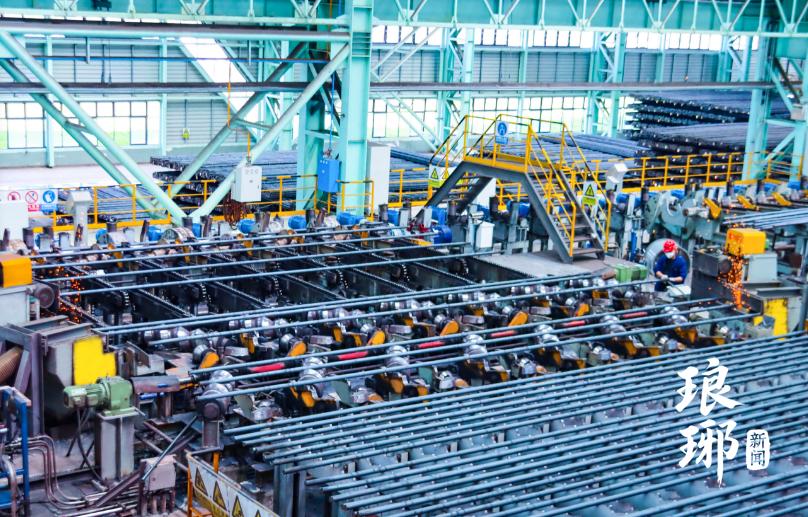
Among long-process steelmakers included in the national carbon market, an allowance shortfall in the first year is a common pressure, as long-process plants have many processes, long chains and complex techniques. The 60,000 tons of surplus shows that green transformation is not limited to short-process electric furnaces and that older blast furnaces can also achieve low intensity.
"These 60,000 tons are a marker of Linyi steel's shift from scale-driven growth to green-content-driven growth," said Han Shouchao, head of the development and reform section of the economic development bureau of the Linyi Lingang Economic Development Zone, which now hosts a group of steel and coking companies including the special steel company, Yongfeng Steel, Hengchang and Shengyang Coking.
The company said it will continue to pursue carbon peak and neutrality goals, advance process iteration and verify cutting-edge low-carbon technologies, and develop its carbon asset center into a regional shared capacity platform.
Editor:韩蒙蒙