

Linshu subdistrict builds 120m yuan mushroom industry chain
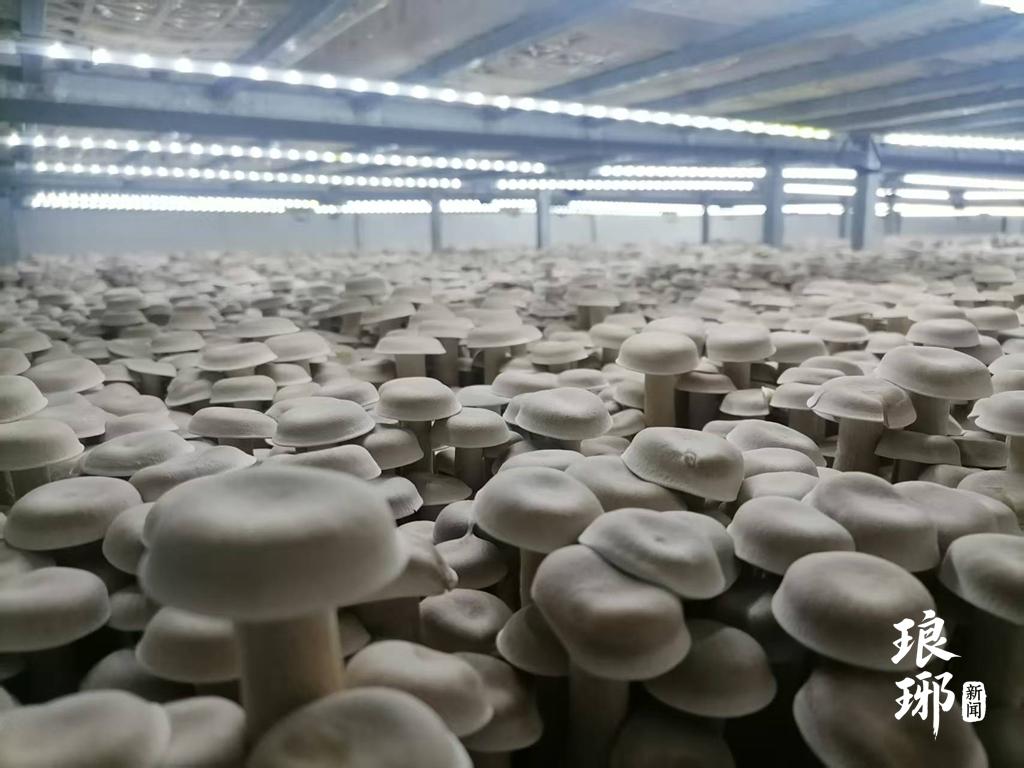
Linshu subdistrict in Linshu county, Linyi, East China's Shandong province, has built a full industrial chain for velvet mushroom production with annual output value of 120 million yuan,creating jobs for more than 200 rural workers.
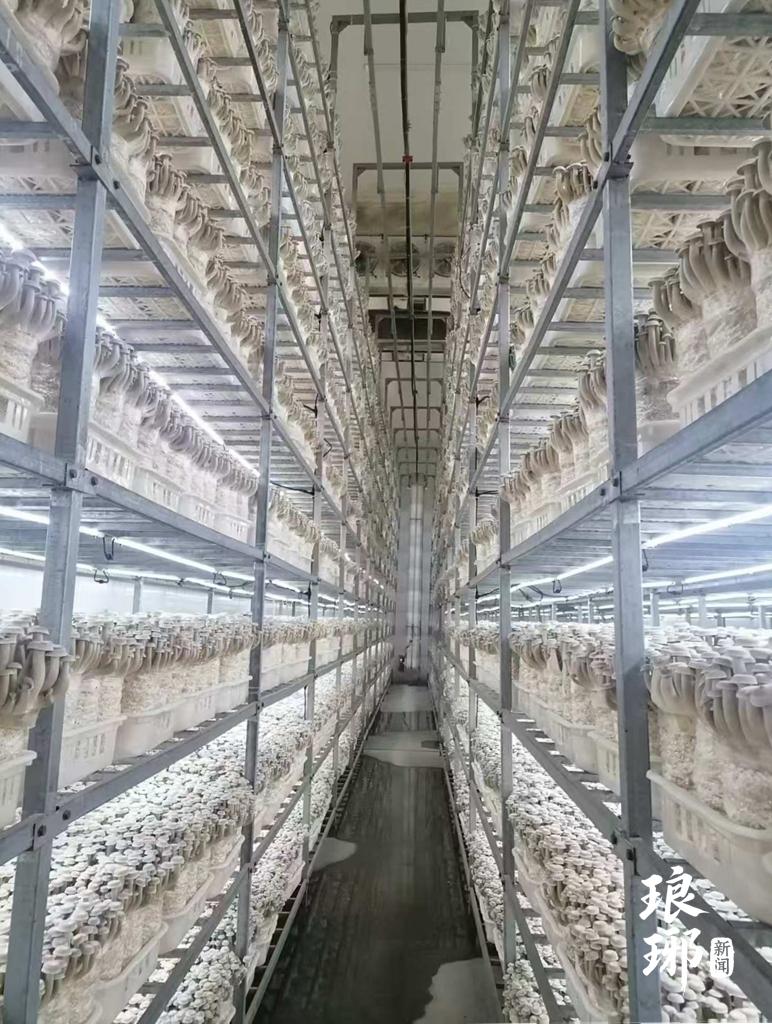
At 8 am each day, Lu Shuaihua, a post-2000s mushroom cultivator at Shandong Changdedong Ecological Agriculture Technology Co Ltd, begins his rounds. The facility has 33 fruiting rooms and more than 1.5 million mushroom sticks, and a full round takes two hours, including climbing the nine-tier racks to inspect growth. Velvet mushrooms are highly sensitive to their environment, with a difference of one or two degrees affecting growth.
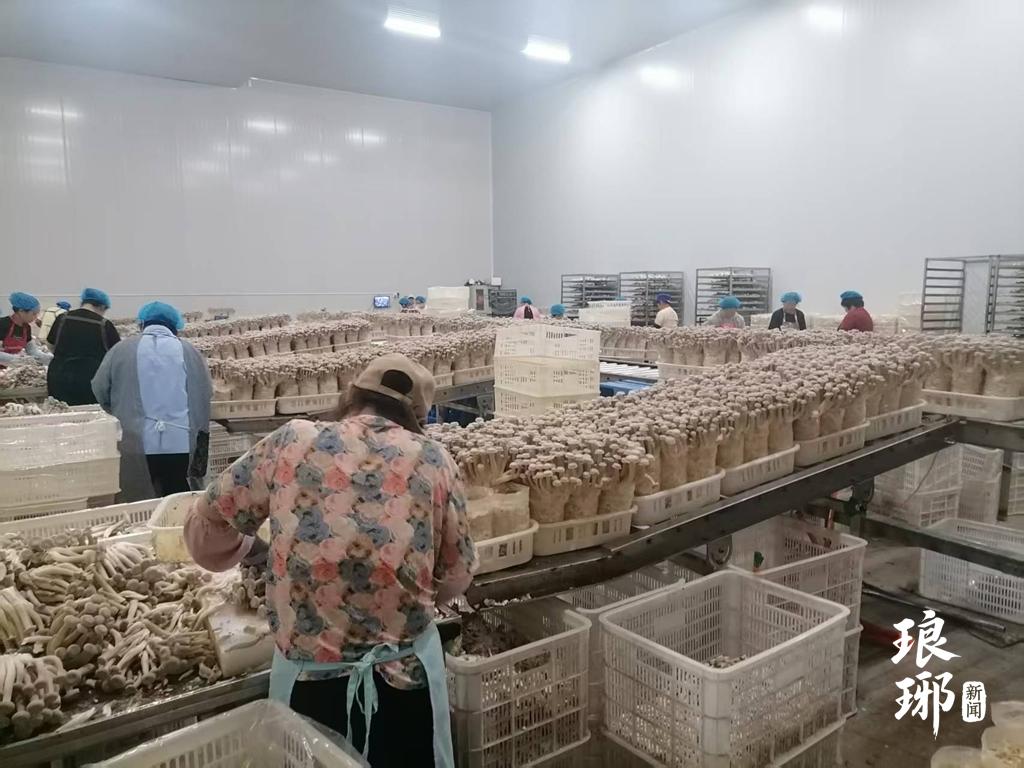
The subdistrict's mushroom industry took shape three years ago, when it shifted to developing high-efficiency agriculture with an industrial approach. It brought in Changdedong as a rural revitalization partner and implemented a full-chain edible fungus project, building a factory-based production base with annual capacity of more than 10,000 tons, along with standardized workshops, intelligent cultivation rooms, drying facilities and cold storage, forming a closed loop from strain development to sales.
The company works with 12 research institutes including the Shanghai Academy of Agricultural Sciences and has developed 10 patented technologies including intelligent strain cultivation. Mushroom sticks use poplar sawdust that must ferment for more than three months, and the cultivation rooms' environment is comparable to a hospital's sterile operating rooms, according to technical director Zeng Xinzhong.
Yu Tingting, the company's head, said velvet mushrooms sell easily because of their appearance and quality. The company produced 15 million sticks last year and expects no less this year. It has moved beyond fresh and dried mushrooms to develop mushroom sauce, seasoning powder, freeze-dried snacks and collagen peptides with industry leaders, selling to major supermarket chains and exporting to 12 countries.
The subdistrict has introduced a "company plus base plus cooperative or family farm plus household" model linking farmers to the industry chain. Changdedong employs more than 200 nearby rural workers in harvesting, sorting, packaging and maintenance, with average annual income growth of more than 30,000 yuan ($4,230). The park supplies quality mushroom sticks before production, dispatches technicians during production and buys back at a floor price afterward.
In the first half of this year, the subdistrict extended the chain further by promoting cooperation between Changdedong and a local circular agriculture company and with six village Party branch-led cooperatives, recycling 30,000 tons of agricultural waste including straw and corn cobs annually and processing 36 million mushroom sticks, boosting village collective income.
Editor:韩蒙蒙