

Wentuan town turns marginal plots into mugwort fields
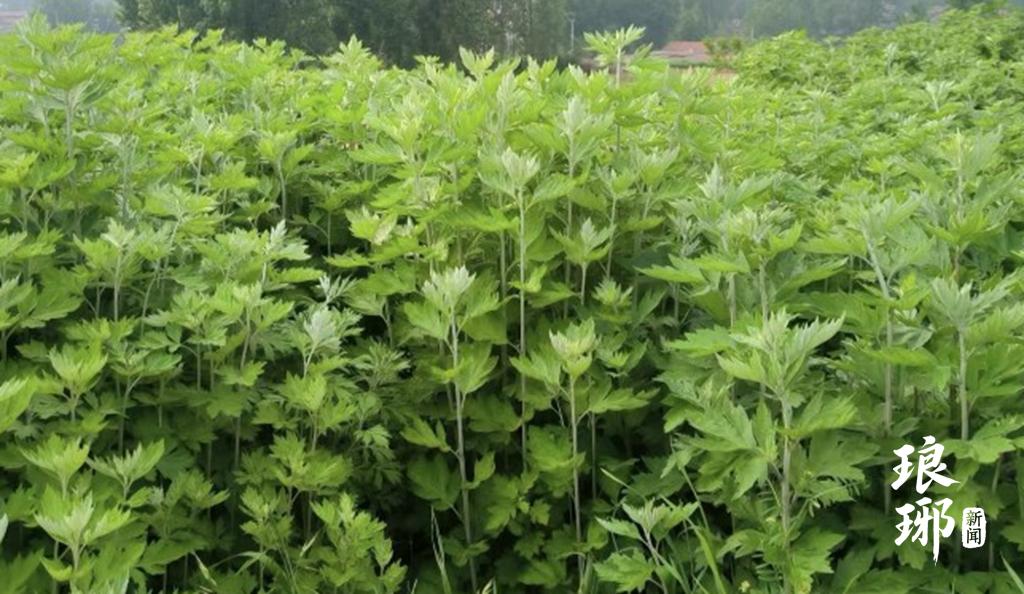
Wentuan town in Junan county, Linyi, East China's Shandong province, has planted mugwort on more than 2,000 mu (133 hectares) of marginal land — roadside strips, ditch banks and the small plots in front of and behind houses — under an initiative to grow greenery wherever space allows, generating more than 2.4 million yuan ($338,000) in additional collective income.
In Yinjiao village, villager Chen Shuhua pointed to a few square meters by her door: previously piled with firewood and rubbish and breeding mosquitoes in summer, it was planted with mugwort this year and now looks tidier, with a share of income due this autumn.
Wentuan lies in a mountainous area with scattered villages and fragmented plots. During a winter visit campaign, town and village officials found widespread complaints about marginal land — one household encroaching half a meter, another piling firewood, neighbors falling out over trifles. Leaving the land idle was wasteful, but plots were too small to farm individually, and residents lacked funds, channels and coordination.
"These matters look small, but accumulated they become a source of conflict," said Xu Chao, Party secretary of the town. Marginal land, he said, is first an environmental and governance issue and only then an economic one. The town already had a mugwort industry, and turning the plant into medicine, moxa sticks and wellness products had proved profitable. Mugwort tolerates poor soil, is easy to manage and can be worked by older people and women, so it suited the marginal plots.
Village Party branches screened and registered each plot and unified planting and management. The town has surveyed more than 2,000 mu of usable marginal land and achieved near-full coverage.
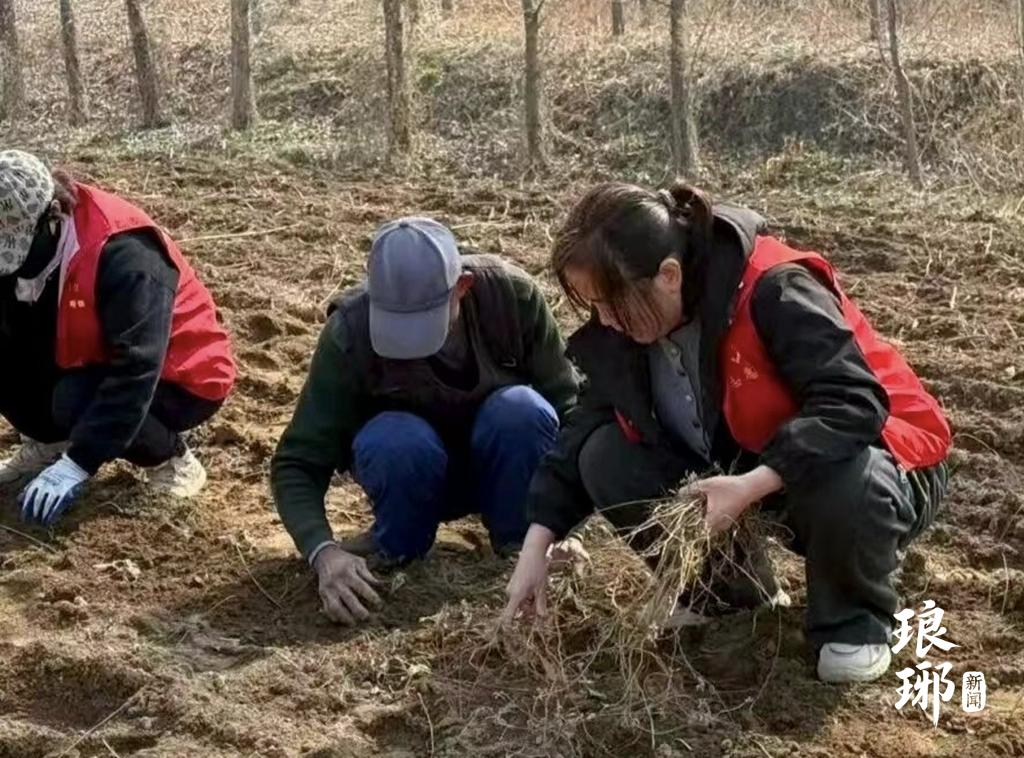
To win residents' confidence, Party members planted first. Around March, the town launched a program in which Party member vanguard teams cleared debris, leveled land and planted seedlings; demonstration fields showed real returns; and Party members took responsibility for households, teaching techniques. Some 37 Party branches and more than 400 Party members led the effort, with lane chiefs helping with daily care. Seedlings and technical support were coordinated by village collectives, so residents bore no cost or risk.
To secure sales, the town adopted a model linking Party branches, leading enterprises and farmers, signing floor-price purchase agreements with companies including Dong'ai Pharmaceutical, which supplies seedlings and technology and buys the harvest. Wu Lifan, head of Dong'ai Pharmaceutical, said the company's moxa floss, stick and cone business is growing more than 50 percent a year, and that 70 percent of the province's wild mugwort is collected and distributed locally, giving downstream demand room to absorb output.
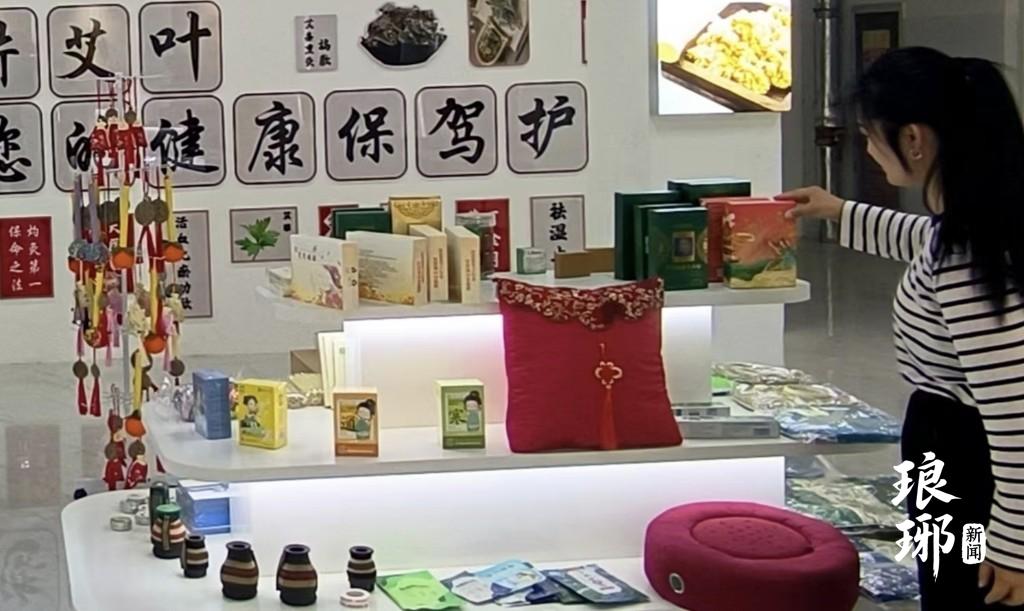
Processing workshops in Yinjiao village are packing and shipping products. Chen Weiyu, who rolls mugwort, said she can work close to home and earn while caring for her family. The town's workshop-plus-station model has created more than 180 jobs, with daily incomes above 100 yuan ($14).
To extend the chain, the town has introduced three traditional Chinese medicine processing projects and built two processing workshops, and has developed an agricultural research study tour route around the mugwort base, receiving more than 600 students and other visitors.
"Planting greenery in every gap means planting mugwort, and what grows is the environment, an industry and public trust," Xu said.
Editor:韩蒙蒙