

Laopo town builds fruit industry across 30,000 mu
Laopo town in Junan county, Linyi, East China's Shandong province, has brought scattered fruit resources together into a coordinated industry, with chestnut, mixed fruit and Chinese herbal medicine plantings reaching 30,000 mu (2,000 hectares).
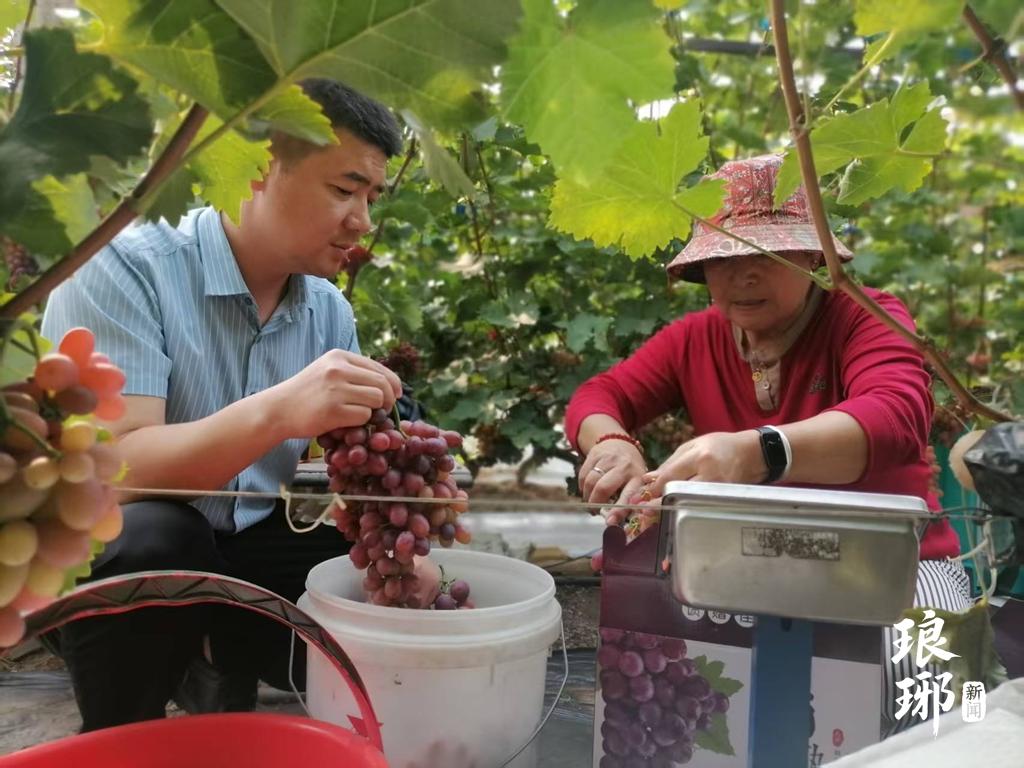
In Sunlujishan village, grower Huan Qing'e has two grape greenhouses planted with Xiangyun No 1 and No 2. "Last year buyers paid 6 yuan per kilogram; this year the price rose another 4 yuan," she said. A first secretary also arranged packaging design and took growers to a specialty agricultural products fair, helping sell more than 300 boxes.
Tian Yunlong, a first secretary dispatched by the municipal financial office, arrived this year and drew on the village's tradition of 40 greenhouses and its proximity to Tianma Island scenic area to link primary, secondary and tertiary industries. He connected experts from Linyi University's rural revitalization college and the municipal academy of agricultural sciences to test soil and provide technical guidance, and introduced cicada co-cultivation and trial plantings of morel mushrooms and cistanche. He also built a government-bank cooperation platform and worked with neighboring villages to develop farm restaurants, so visitors picking fruit in blueberry, grape, apricot, pear and peach orchards can also eat local food. Li Mingye, who runs a small farm restaurant, said that in peak season he cooks more than 20 free-range chickens a day and can barely keep up.
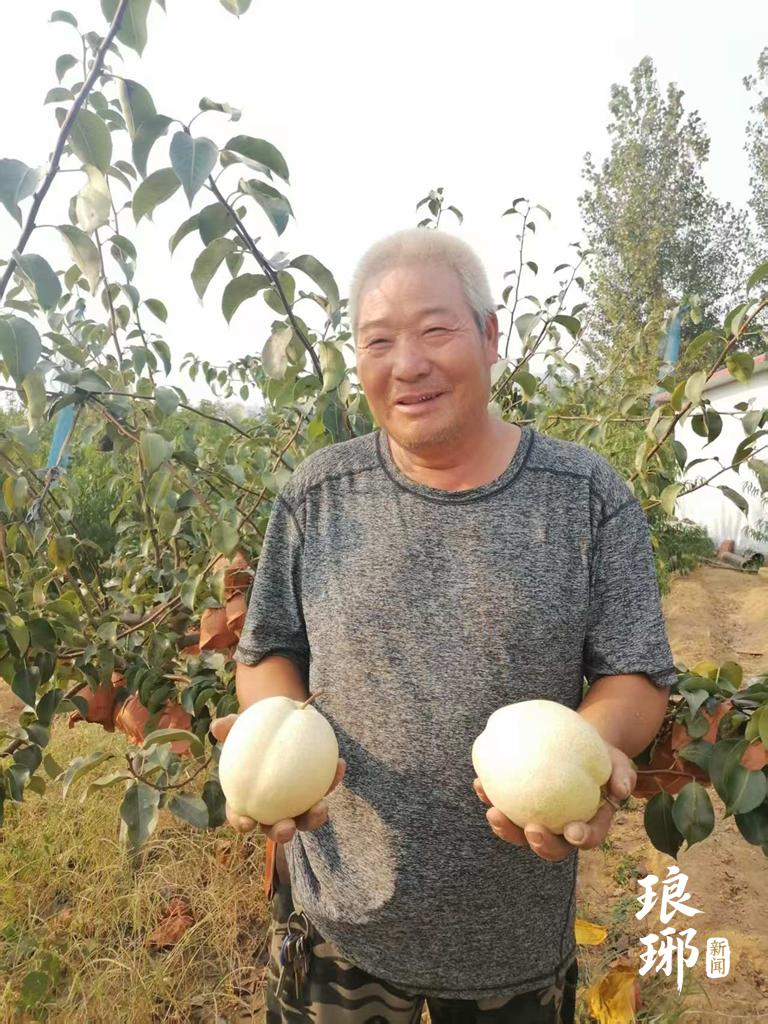
Wei Xuqing, Party secretary of Weijishan village, has been busy in the pear orchards. The village Party branch-led fruit cooperative uses the free "Landscape Laopo" brand authorized by the town and has registered its own "Jishan Fresh" trademark. Eighty-four Shannong Suli pear trees planted on trial three years ago bore fruit for the first time this year and will reach full production next year. The village's more than 360 mu of orchards grow pears, peaches, apricots and apples.
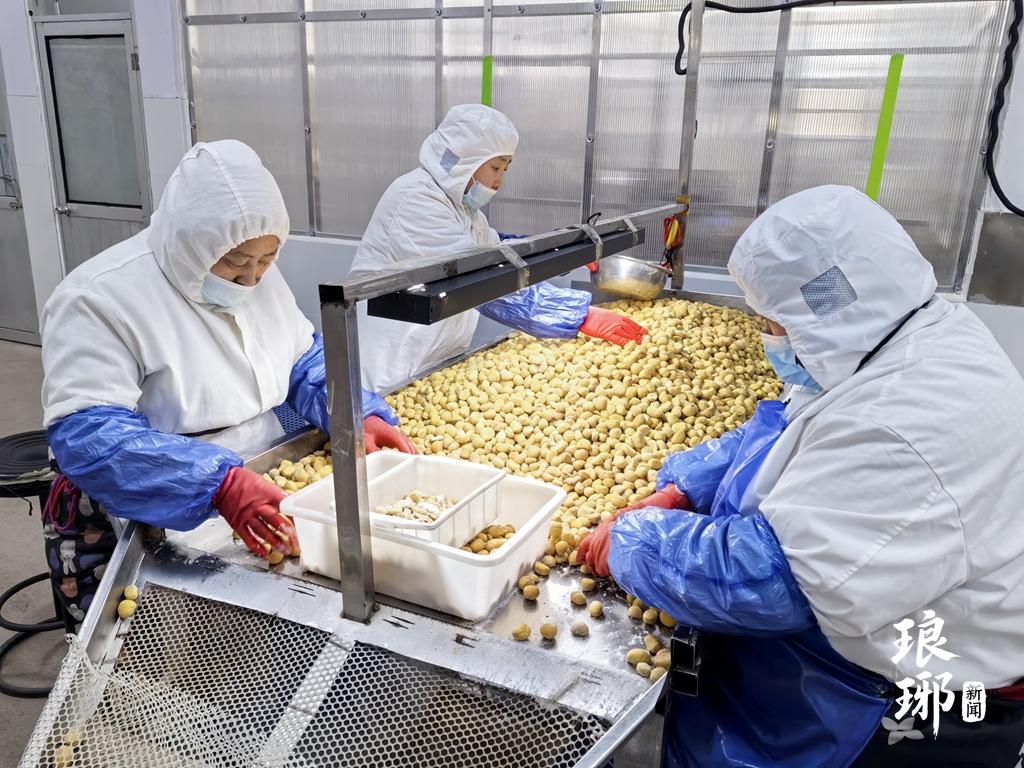
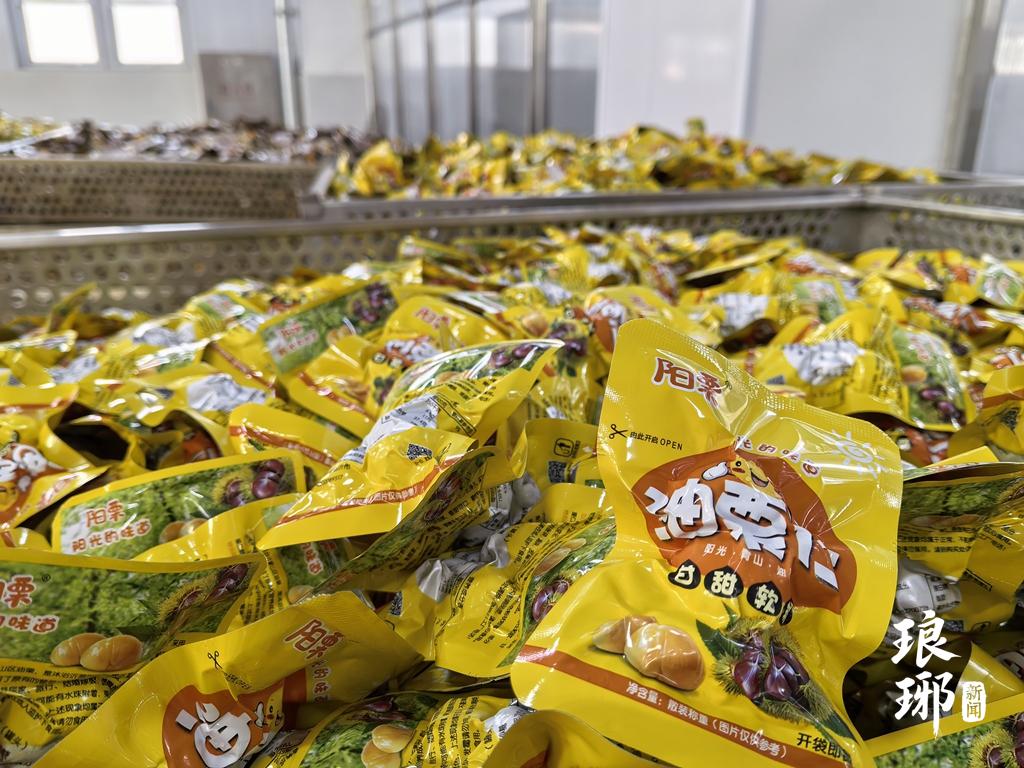
Processing is extending the value chain. At Shandong Jiabao Food Technology Co Ltd, more than 30 workers hand-sort chestnuts, removing impurities and worm-damaged kernels, earning 3,500 yuan ($493) a month each. Jia Ziyang, the company's online sales manager, said the plant processes 2 to 3 tons of chestnut kernels a day and in peak season collects more than 1,000 tons of fresh chestnuts a month from Laopo and other producing areas in the province. The company is developing pre-packaged and snack products from sweet potatoes and pumpkins.
Guo Fengkun, deputy Party secretary of the town, said Laopo has relied on Party building, first secretaries, local talent and natives working elsewhere to pool policy, funding, land and talent resources. Processing companies now link an industry chain centered on peanuts and fruit, a water environment project on the upper Jilong River has improved the ecology, and more than 90 percent of village main roads are paved.
Editor:韩蒙蒙