

Linyi City Investment Group expands into 19 business segments across urban development
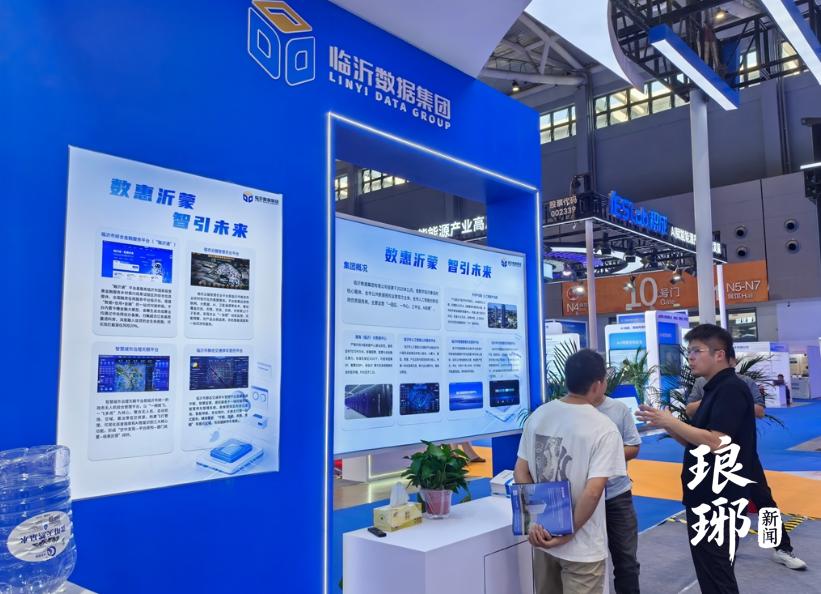
Linyi City Investment Group, a State-owned enterprise supervised by the municipal government, has grown from a single-purpose infrastructure builder into a group operating 19 business segments spanning urban construction, industrial upgrading, public services and digital development.
The company began more than a decade ago as an infrastructure contractor with a concentrated and narrow business portfolio. As Linyi's urban footprint expanded and its industrial structure shifted, demand grew for better infrastructure, more efficient public services and upgraded urban districts, and the group added businesses accordingly.
"The starting point for a State-owned enterprise is to serve the city and improve people's livelihoods — whatever the city lacks and residents need, we step in to provide," said Wang Xinhua, head of the group.
The group's data subsidiary was assigned to consolidate and operate the city's public data resources and to build its digital city infrastructure, following a municipal conference on artificial intelligence and scientific innovation held in early 2026.
Previously, public data sat in separate departmental silos, limiting the precision of urban governance and the efficiency of government services. The subsidiary has been building a municipal data platform that brings together administrative, livelihood and industry data, opening up links between departments.
The group says the platform has shortened approval processes, moved urban management from experience-based decisions toward data-driven ones, and supported the digital upgrading of traditional industries.
"Data is the city's intelligent bloodstream. Our job is to put those resources to work so that digital technology actually serves the city and reaches every household," said Lu Zhiping, an official with Linyi Data Group.
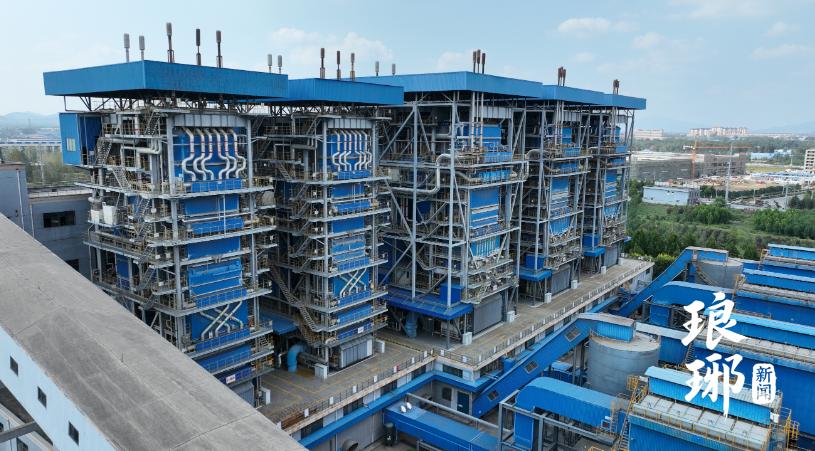
In the wood products industry, one of Linyi's pillar sectors, the group's subsidiary Linyi Sunshine Heating Co has replaced small coal-fired boilers at board manufacturers with centralised heat supply. Many small and medium-sized board makers had relied on their own boilers, which carried high energy costs, scattered emissions and difficult pollution control.
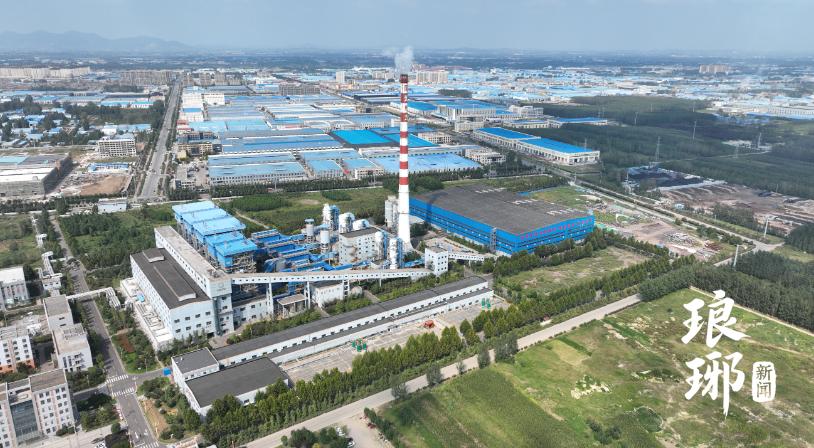
The company extended its heating pipeline network to board manufacturing parks and their upstream and downstream firms, replacing ageing equipment with stable, cleaner supply. The group says this has cut energy and pollution-control costs, raised output efficiency and improved regional air quality.
"Moving from scattered coal burning to centralised heating has taken Linyi's wood industry out of its old high-consumption, high-pollution model and delivered both industrial growth and environmental protection," said Zhang Wei, an official with the heating company.
At the Linyi Olympic Sports Park, the group's venue operator hosted events for the 26th Shandong Provincial Games, which concluded recently, and helped the city to a record 121.5 gold medals. Linyi Olympic Sports Park was the core venue for the games.
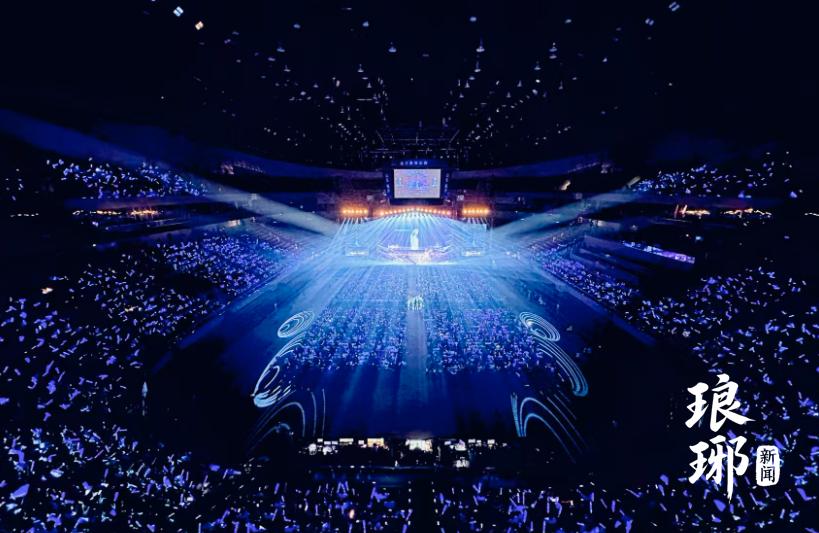
Linyi Olympic Sports Park Operations and Management Co has since diversified beyond professional sport, combining major events, concerts and public fitness. The venue has hosted concerts by Li Ronghao and Aaron Kwok and keeps its facilities open to residents, running free fitness classes and amateur competitions.
"A large sports and cultural venue is public property. It has to serve the city's image, but it also has to deliver on services for residents," said Xin Luchao, head of the operating company.
Editor:韩蒙蒙