

Dry-land rice trial in Yishui village lifts incomes and enrolls 95 percent of households
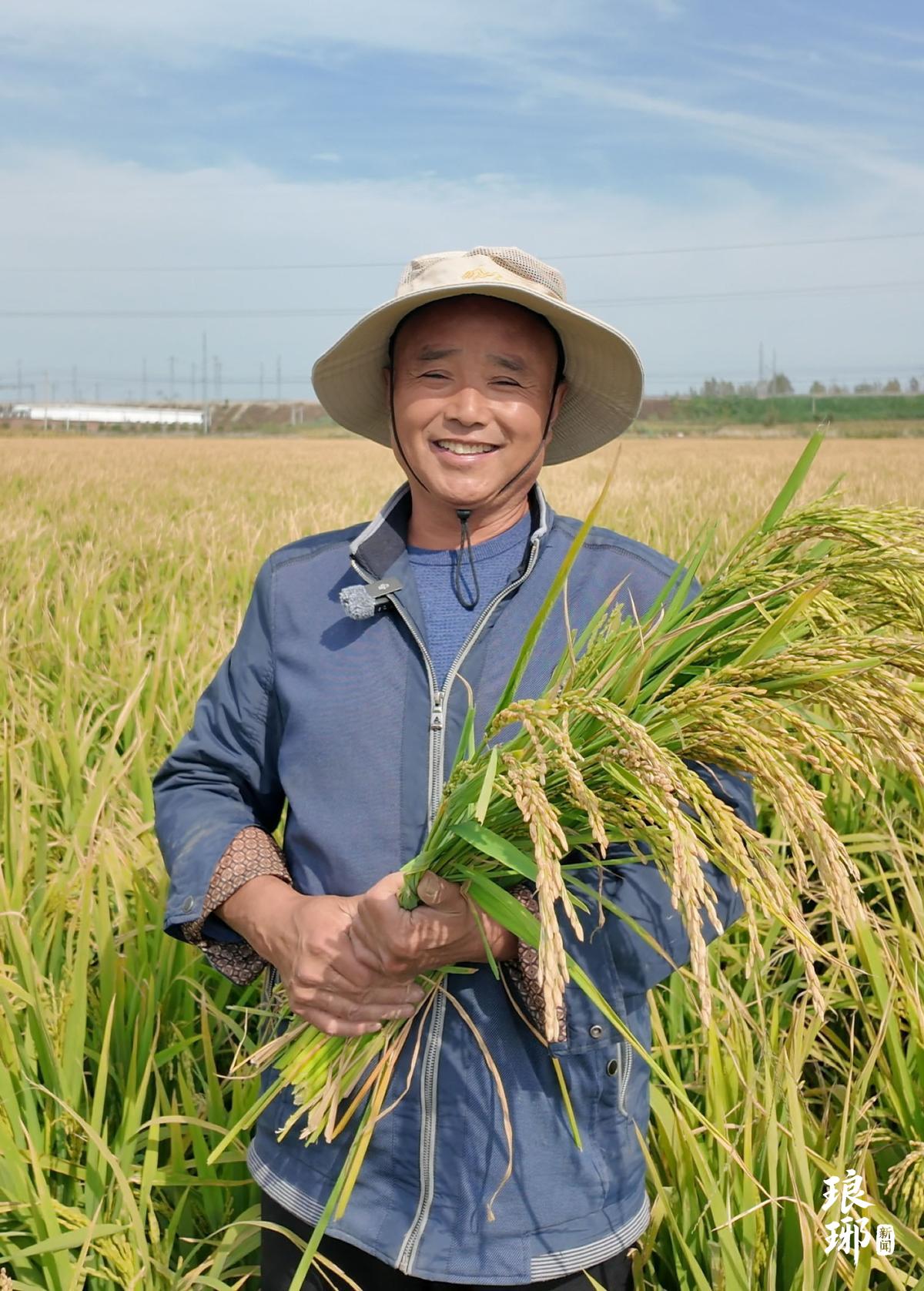
A village cooperative in Jiangzhuang village, Huangshanpu town, Yishui county, Linyi, East China's Shandong province, has expanded dry-land rice planting from a 7-mu trial in 2023 to 100 mu (6.7 hectares) this year, with returns per mu about four times those of corn.
The village sits in low-lying land surrounded by hills and the Wari railway, where summer waterlogging limited farmers to corn and winter wheat. With guidance from county agricultural technicians, the cooperative began testing dry rice in 2023.
The first year's trial earned 4,000 yuan ($563) more per mu than corn. Word of the dividends spread quickly: enrollment grew from fewer than 100 households to more than 400, or 95 percent of the village.
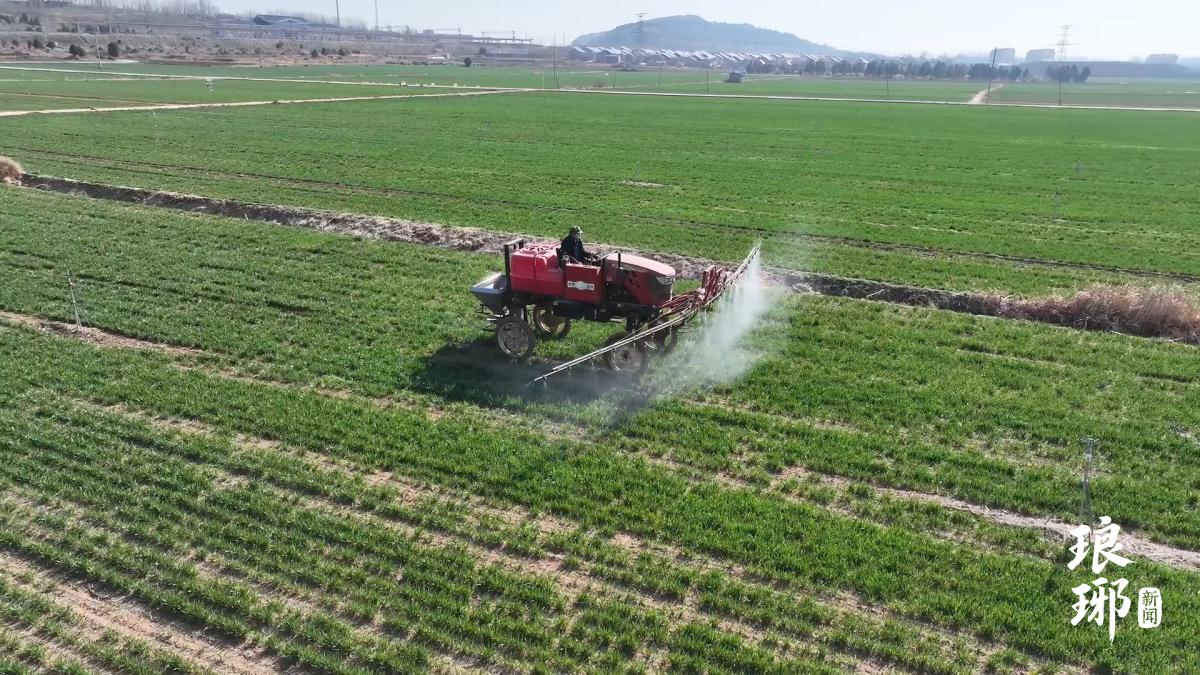
The cooperative settled on the Han you 173 variety, which resists disease and suits hilly land, and bought full mechanized equipment, seeding and harvesting directly on dry land without the transplanting stage.
"In the first year it was really hard — the technician explained everything clearly, but once he left we forgot it all," said Li Chengbao, the village Party branch secretary and cooperative head. "Now everyone knows the routines."
Villagers now eat rice grown in their own village, and the cooperative supplies free rice to residents over 70. Li said several neighboring villages have approached him about forming a joint cooperative.
"The hardest part was never technology or land — it was convincing people that rice could grow on hilly dry land," Li said.
Editor:韩蒙蒙