

Lantian Group weaves new chapter in trade and logistics
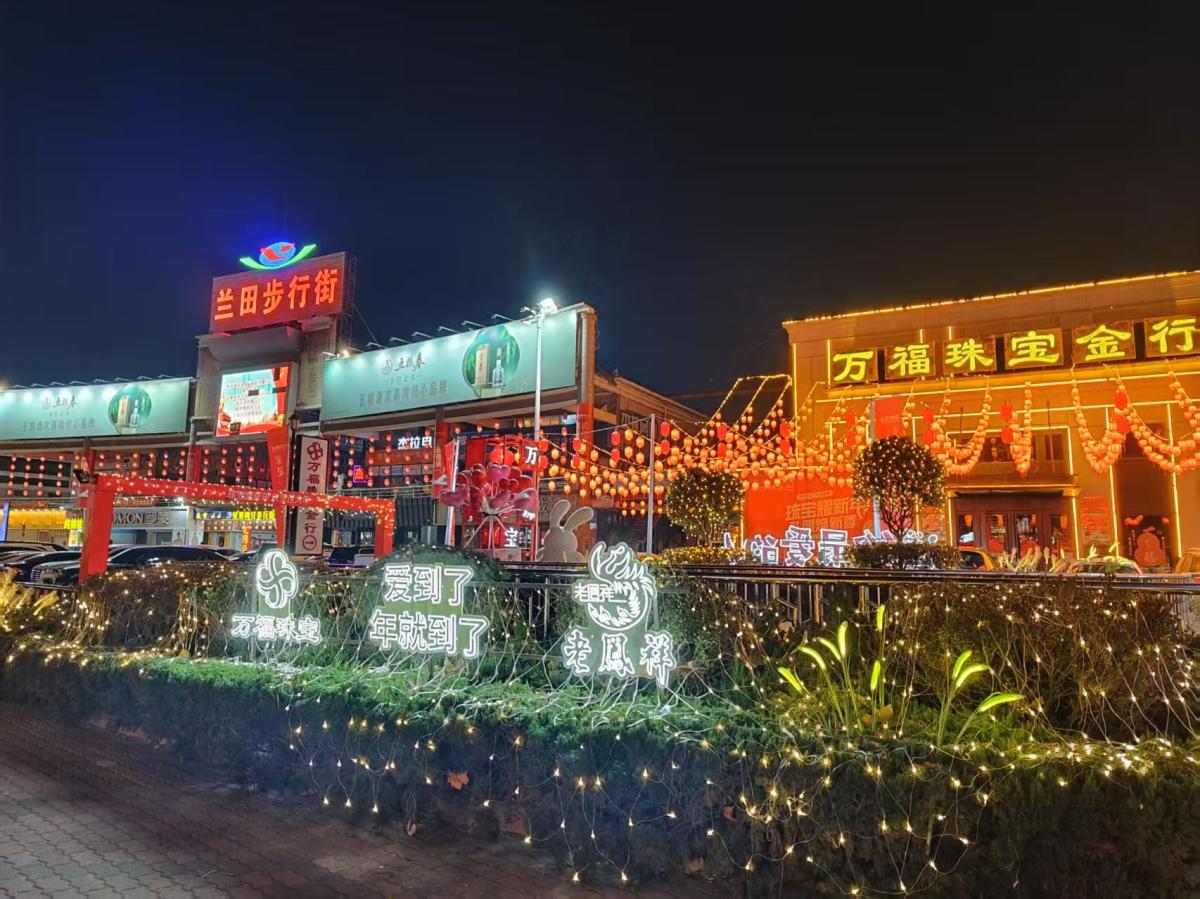
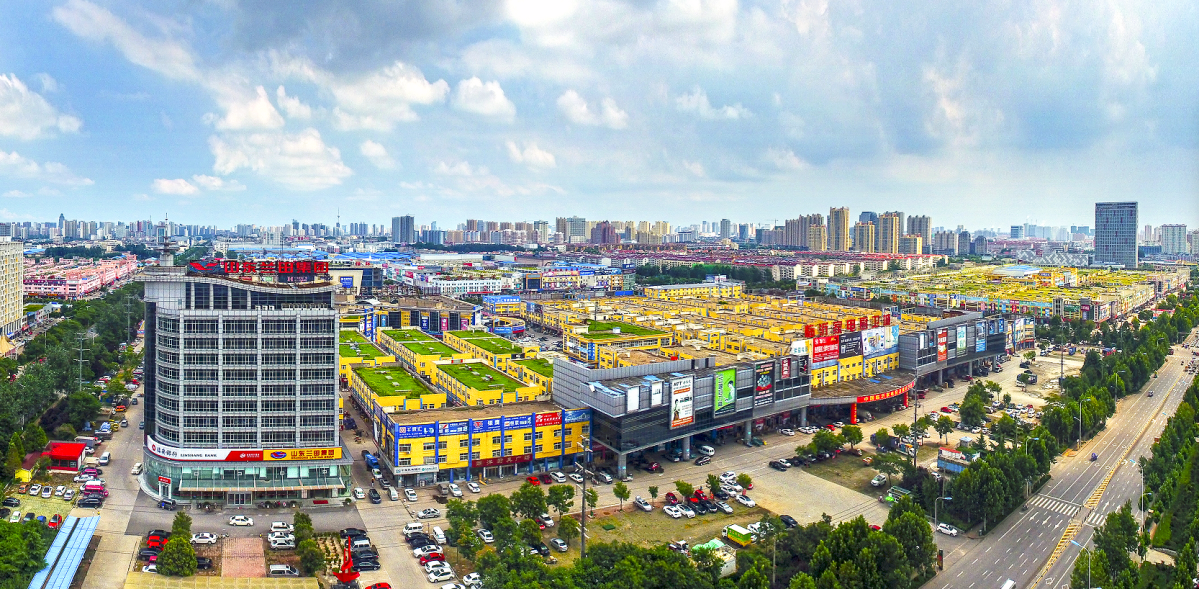
Founded on the Lantian textile market born in 1986, one of the starting points of Linyi Trade City, Lantian Group in Linyi, East China's Shandong province, has grown into a major market cluster operator, witnessing and driving the transformation of the city's trade and logistics industry over four decades.
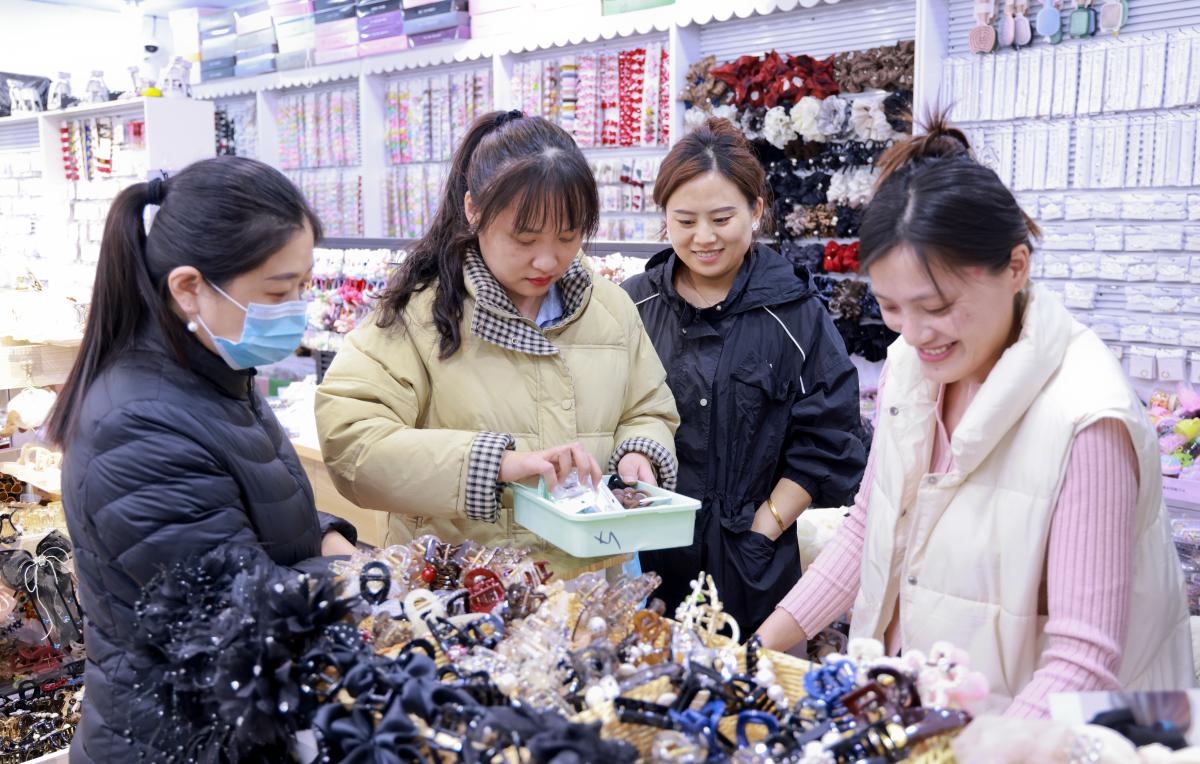
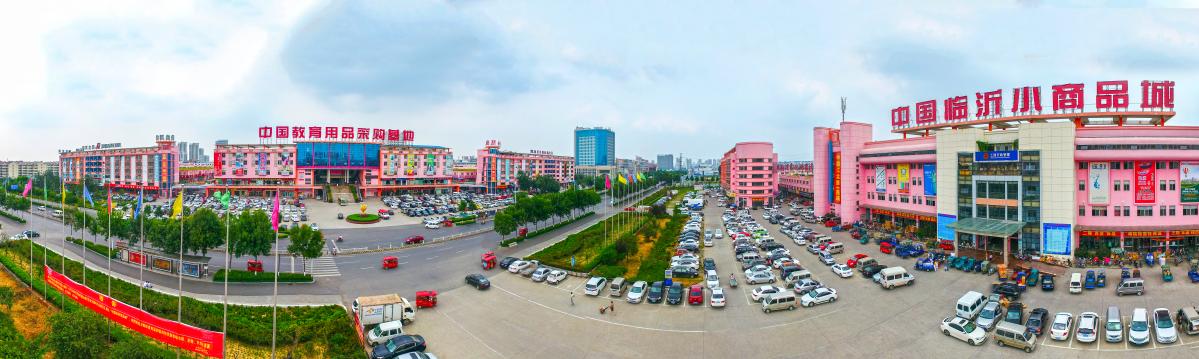
The group now runs 26 specialized wholesale markets with a total business area of more than 2.8 million square meters and over 26,000 tenants, with market transactions reaching 90 billion yuan in 2025. It owns five national-level procurement bases covering educational supplies, teaching equipment, labor protection products, kitchenware and sporting goods. The Linyi Small Commodity City, its landmark market, was designated by the Ministry of Education in 2009 as the China Educational Supplies Procurement Base and the China Teaching Equipment Import and Export Base.
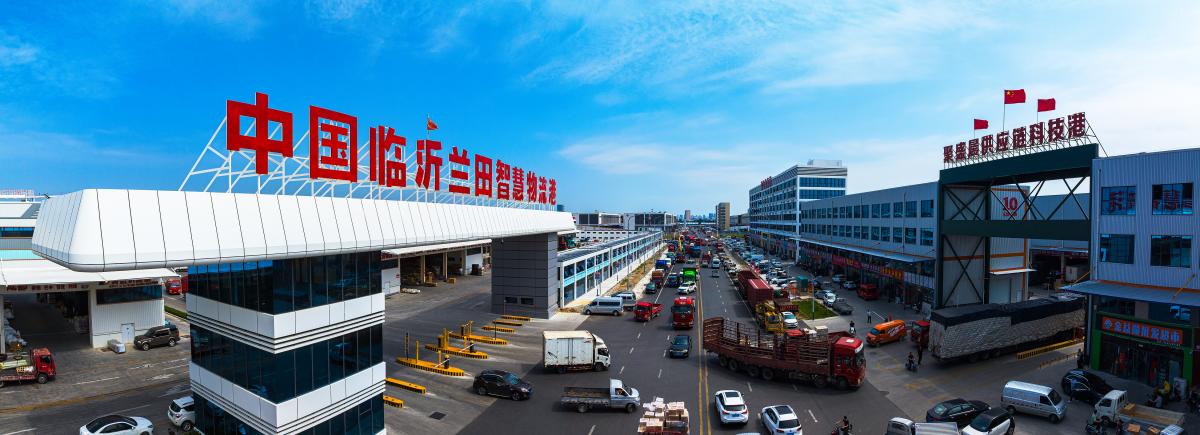
The group's trade upgrade goes hand in hand with logistics. In July 2024, tenants of the former Jinlan logistics base moved into the Lantian Smart Logistics Port, which has opened 426 logistics lines covering the whole country and reaching 84 major cities and their districts and counties, building an efficient network of "one port, goods to the whole nation". Relying on big data and the Internet of things, the port operates an intelligent dispatching system and promotes new-energy logistics equipment and green multimodal transport.
Reallocated resources have opened a new track of foreign trade: the former freight yard has been transformed into the Lantian Northern International Automobile City. On Oct 28, the Lantian special session of the 4th Linyi Trade City International Sourcing Conference was held there, attracting nearly 200 international buyers from Russia, India, Malaysia and other countries and regions. The session recorded on-site transactions of more than 80 million yuan, intended deals of 560 million yuan and over 400 used-car export orders. Lantian's used cars have been sold to more than 30 countries and regions in the Middle East, Africa, Central Asia and Southeast Asia.
The group has also explored commerce-tourism integration: relying on the 3A-rated Linyi Small Commodity City tourist attraction, it invested more than 6 million yuan in tourism facilities, receiving over 4,000 visitors in 36 tour groups this year and driving offline retail growth.
According to the group's plan, during the 15th Five-Year Plan period (2026-2030), it will double the number of cross-border e-commerce companies, build an overseas warehouse network covering Southeast Asia and Russia, push the home-textile industrial park into production, and strive to break through 5 billion yuan in foreign trade imports and exports. After 2030, it aims to raise the proportion of market tenants going global to 30 percent, building a regional international trade cluster.
Editor:韩蒙蒙