

Lantian Group rebuilds an old market cluster around trade, logistics and tourism
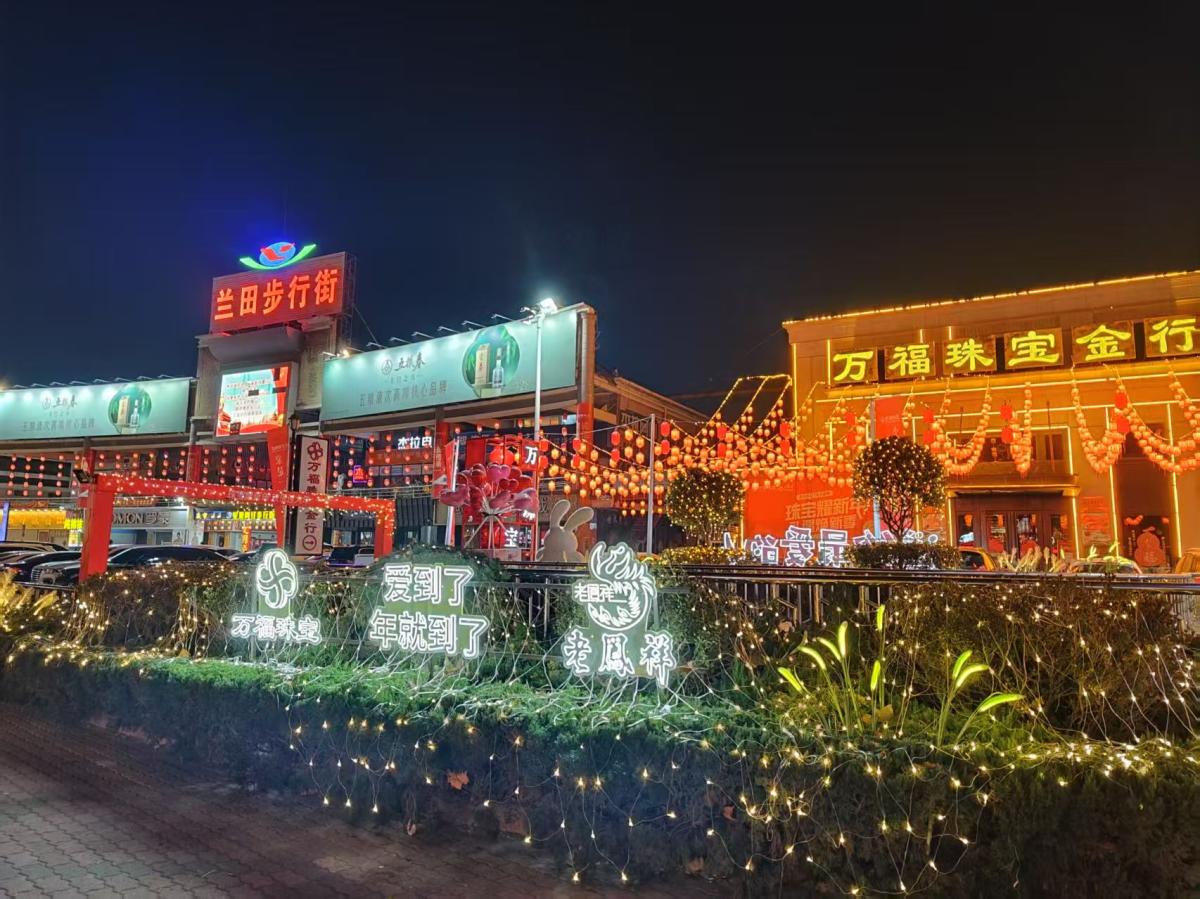
Lantian Pedestrian Street, a landmark of Linyi's old downtown for 24 years, is being renovated — facades refreshed, paving repaired, signage standardized, cabling reorganized and supporting facilities upgraded. "We are fixing the hardware shortcomings to create a smooth, well-serviced shopping space," said Hua Shuyong, Party secretary and chairman of Lantian Group.
The street is one node in a wider restructuring at the group, which runs a cluster of 26 specialized wholesale markets with more than 2.8 million square meters of operating space and 26,000 businesses, recording market transactions of 90 billion yuan in 2025.
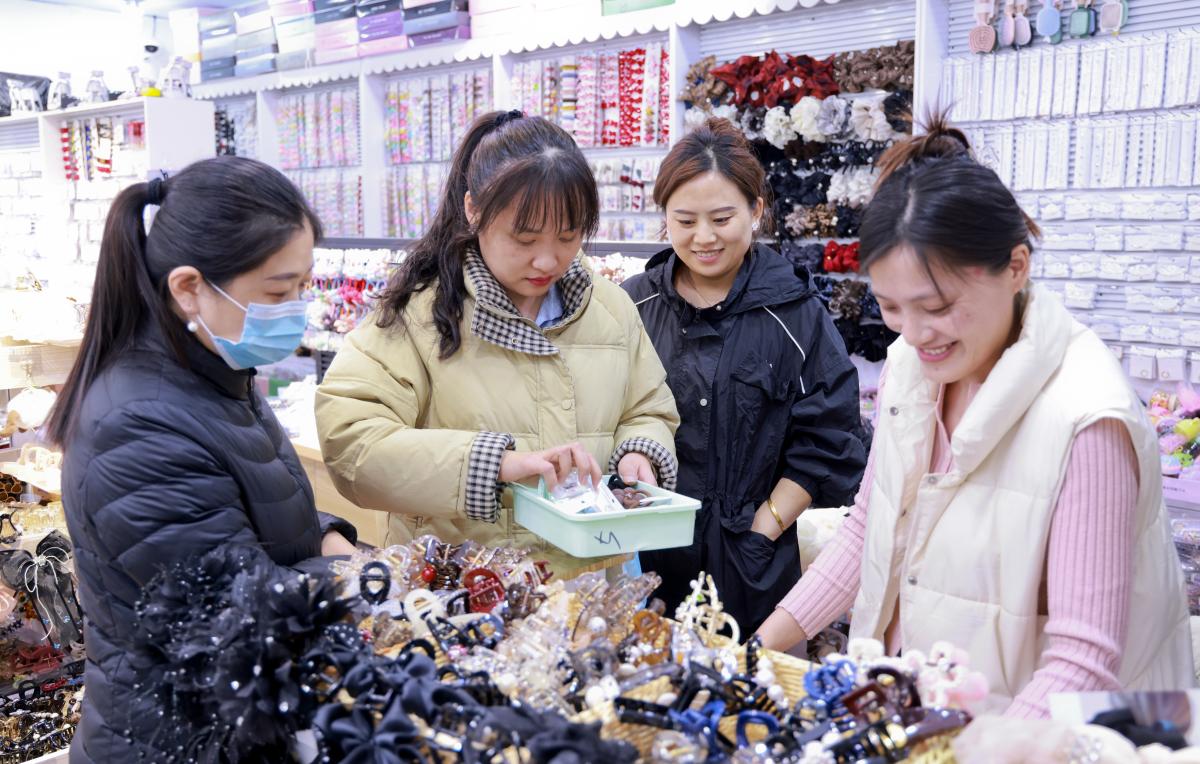
Its Linyi Small Commodity City holds a 3A rating as a tourist attraction. The group has spent more than 6 million yuan on tourism facilities there, hosting 36 tour groups and more than 4,000 visitors from inside and outside the province this year, which has lifted offline retail sales. It also hosts trade fairs and festivals such as the Linyi Cultural Goods Expo and auto consumption festivals, and promotes a model combining physical markets with livestreamed e-commerce.
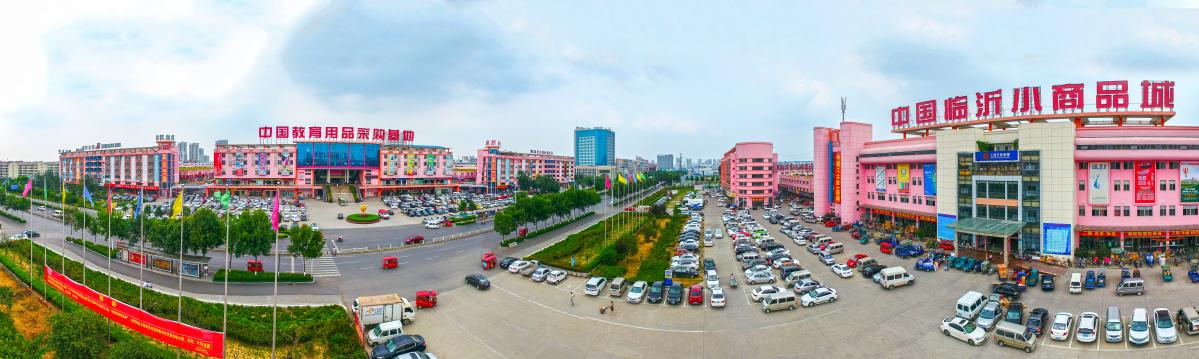
In 2009 the second phase of the Small Commodity City was designated by the Ministry of Education as a national procurement base for educational supplies and a national import and export base for teaching instruments and equipment. The group now holds five such national procurement bases, covering educational supplies, teaching instruments and equipment, labor protection supplies, kitchenware and sporting goods.
"Twenty-six markets, 2.8 million square meters, 26,000 businesses — the scale is there, and what we are doing now is raising the operating standard of that scale," Hua said.
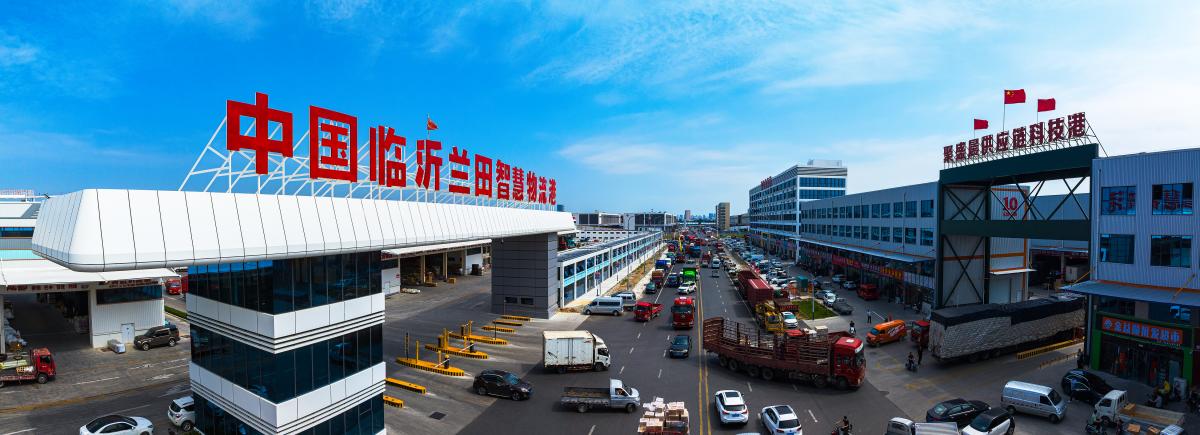
Logistics underpins the markets. When construction of the Linyi Modern Logistics City began in 2023, the group's Jinlan Logistics base was given the chance to relocate and upgrade; in July 2024 its tenants moved into the Lantian Smart Logistics Port. The park, positioned to serve international logistics corridors under the Belt and Road Initiative, has opened 426 freight routes covering the country and reaching 84 key cities and their counties, and has built a smart dispatch system on big data and the internet of things while promoting new-energy equipment and multimodal transport.
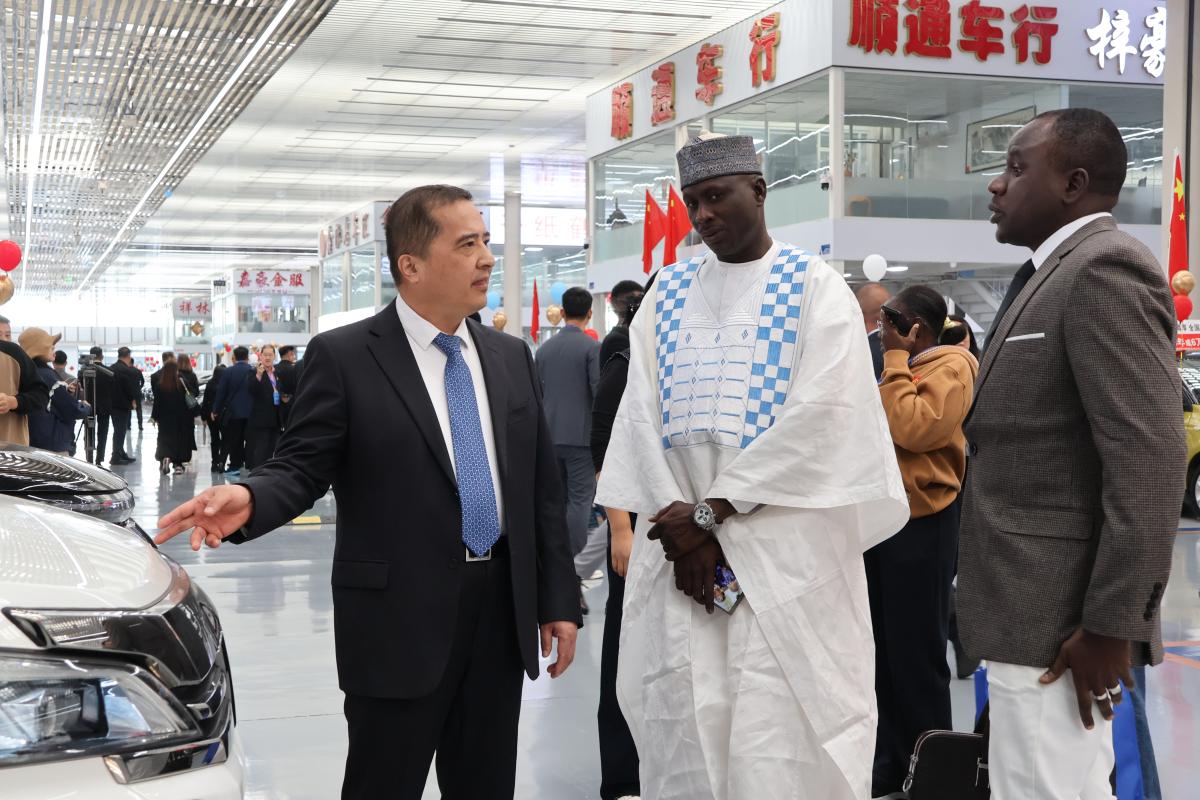
The vacated Jinlan site has been repurposed: a freight yard has become a market of shops, and a loading area has become a used-car display ground, where the Lantian North International Auto City now operates. On Oct 28 it hosted the Lantian session of the 4th Linyi Trade City International Sourcing Conference, drawing nearly 200 international buyers from Russia, India, Malaysia and elsewhere. On-site transactions reached more than 80 million yuan, intended deals 560 million yuan, and more than 400 used-car export orders were signed.
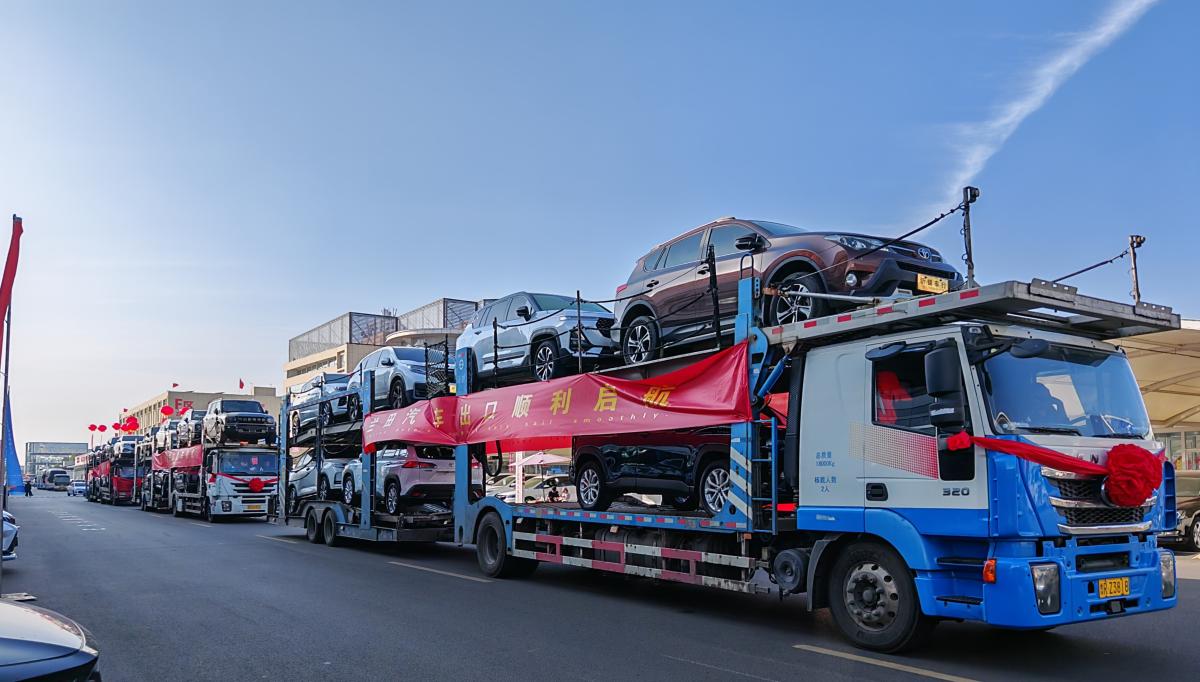
The auto city's 600 resident merchants cover vehicle display, inspection and registration, finance and insurance, and after-sales service; used cars from Lantian now go to more than 30 countries in the Middle East, Africa, Central Asia and Southeast Asia.
For the 15th Five-Year Plan period (2026-2030) the group aims to double the number of cross-border e-commerce firms, build a network of overseas warehouses covering Southeast Asia and Russia, bring a home textile science and technology park into production, complete the second phase of the auto city, extend e-commerce zones across its markets and push foreign trade past 5 billion yuan. Over the five years after 2030 it aims to raise the share of market businesses trading overseas to 30 percent.
"Lantian's progress in recent years has mainly been about upgrading the business format — traditional markets and logistics can no longer meet modern demand," Hua said.
Editor:韩蒙蒙