

Linyi puts AI to work across 13 signature industrial chains
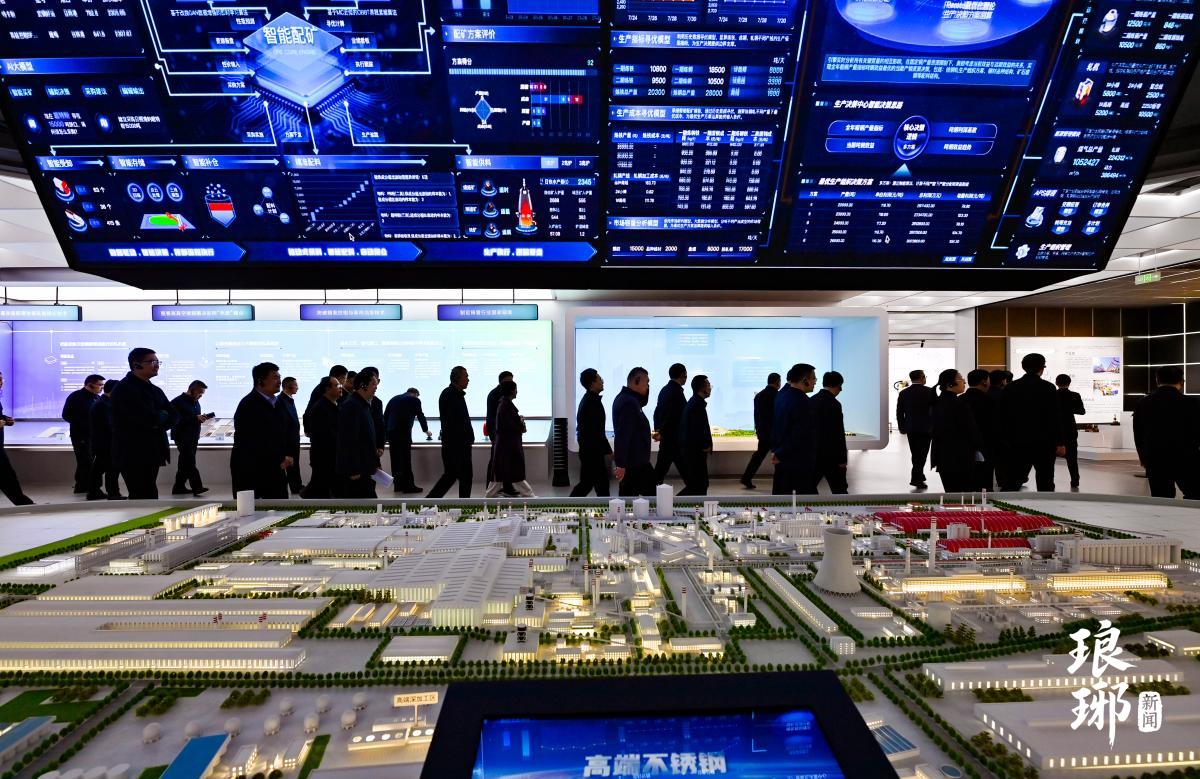
Linyi in East China's Shandong province made artificial intelligence the theme of its first major meeting of the year and, less than 12 months later, is reporting concrete results across its 13 signature industrial chains — from smarter panel sorting in wood factories to a warehouse where goods find their own way to workers.
The city convened an "AI plus" and sci-tech innovation conference on Jan 8 to launch an AI-plus-industry action, and in October issued a three-year plan (2026-2028) to build itself into a provincial hub for AI in manufacturing. At a citywide progress meeting on Nov 17, officials said AI has become a new variable in the upgrading of all 13 industrial chains.
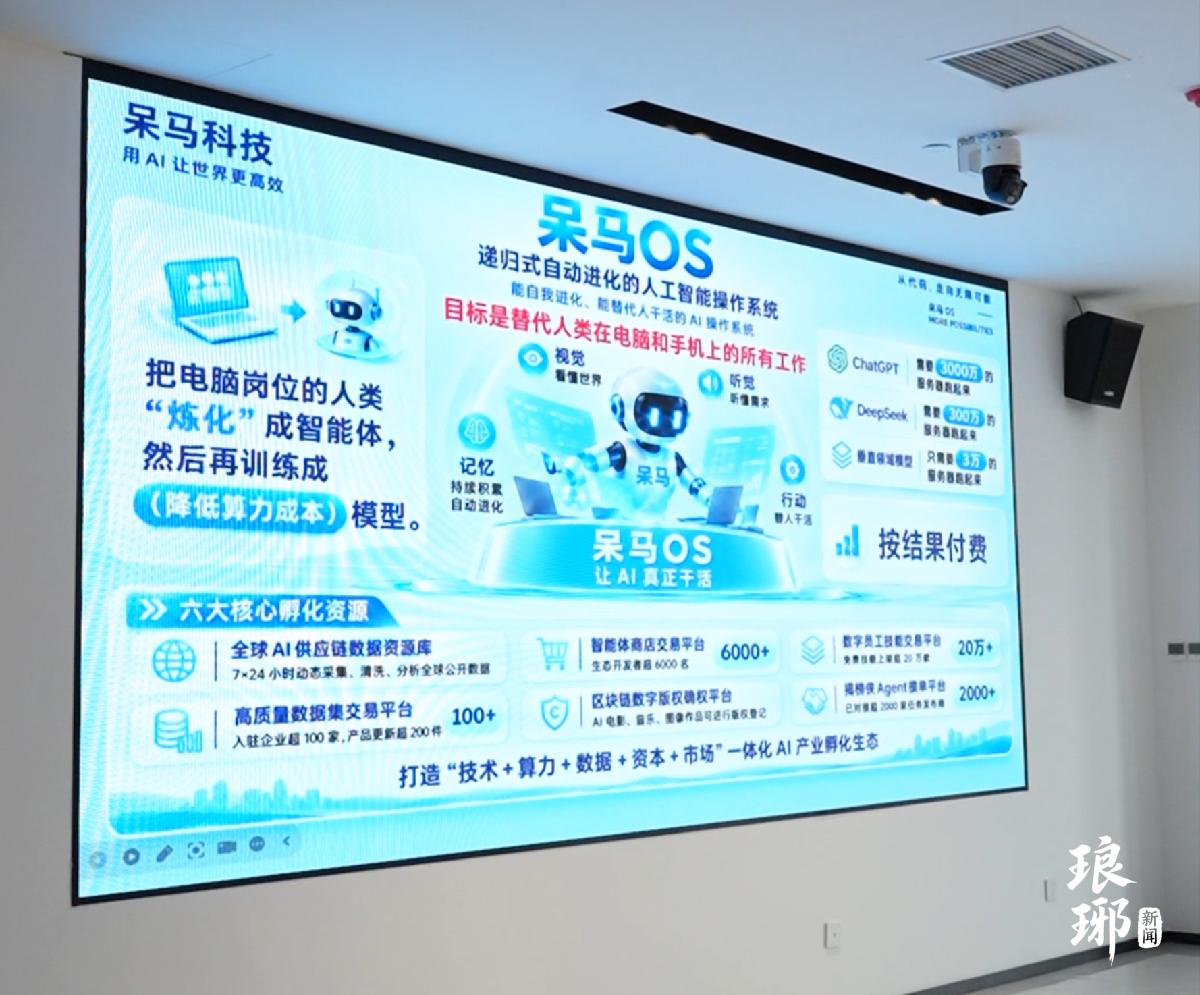
Computing power is the foundation. The Langya Token factory, completed in September, pools computing and data resources and integrates model services from China Mobile; local computing capacity is set to reach 360P by year-end and 600P next year. In the Yimeng sci-tech innovation city, startup incubator Daima Technology provides free computing power and technical investment to AI startups, and says its Daima OS ecosystem has drawn more than 6,000 developers and over 200,000 free skills to its skills store.
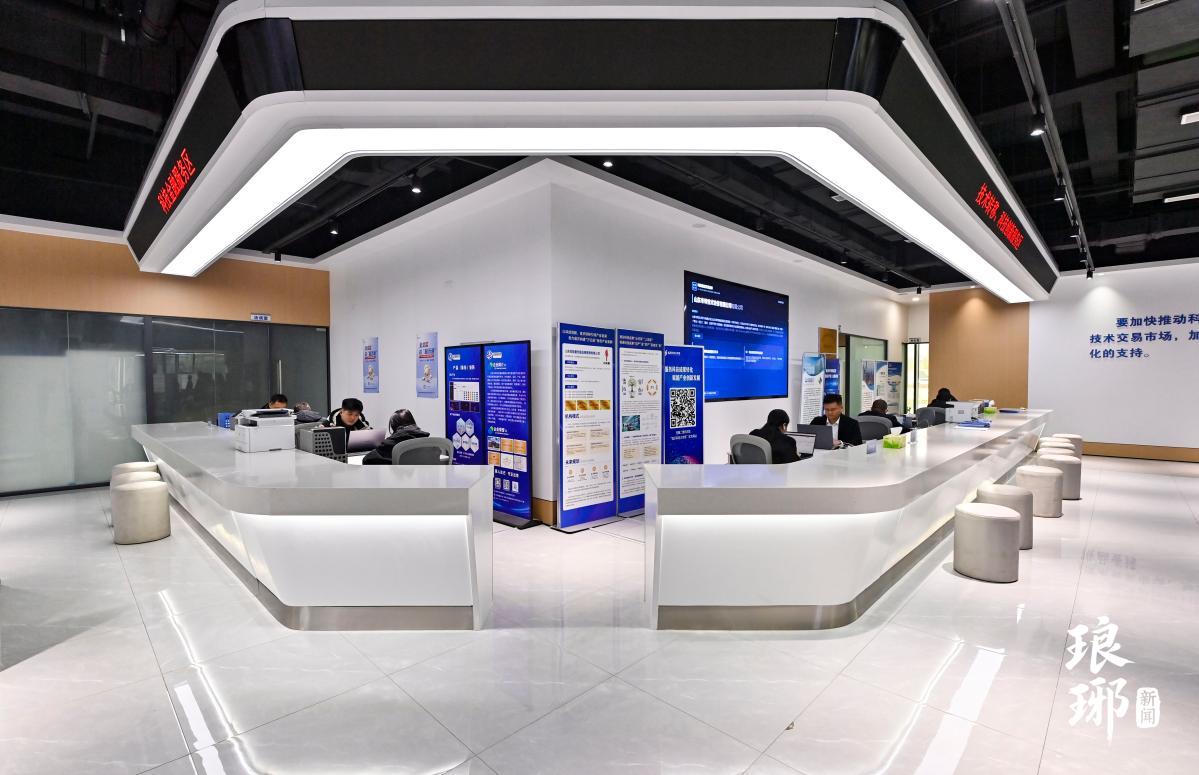
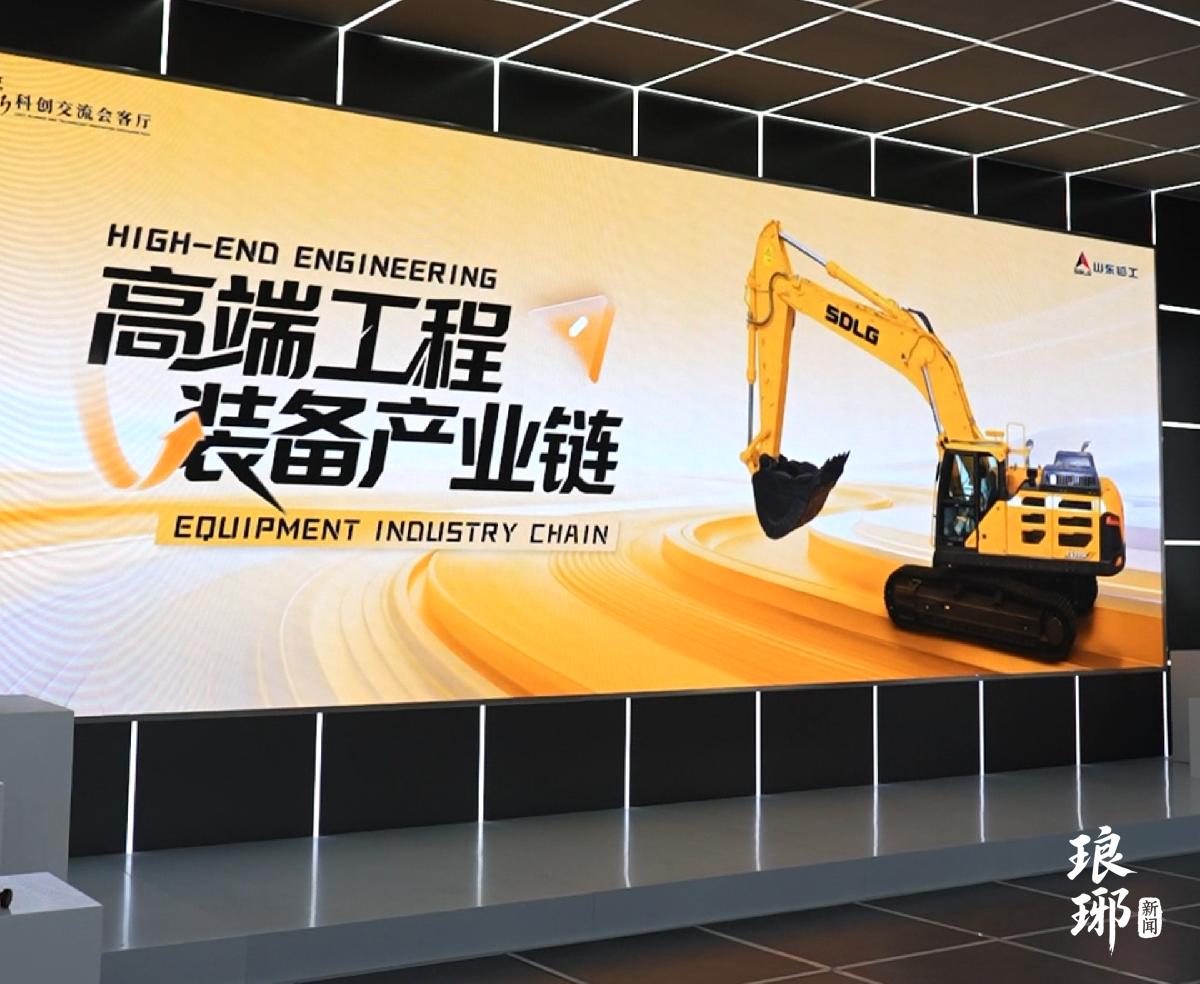
Industrial applications are piling up. China Mobile's Shandong branch helped wood companies deploy AI quality-inspection models that automatically identify knots and cracks in panels. Lunan Pharmaceutical's in-house large language model is running in more than 100 scenarios, raising drug R&D efficiency by 30 percent and cutting production costs by more than 15 percent, and plans 200 AI agents by 2027. SDLG, the chain-leader in construction machinery, has turned AI into a shared industrial resource: more than 1,000 companies' data are connected across a chain of over 200 local suppliers with a local sourcing rate above 80 percent, shifting the whole chain from experience-driven to data-driven operation.
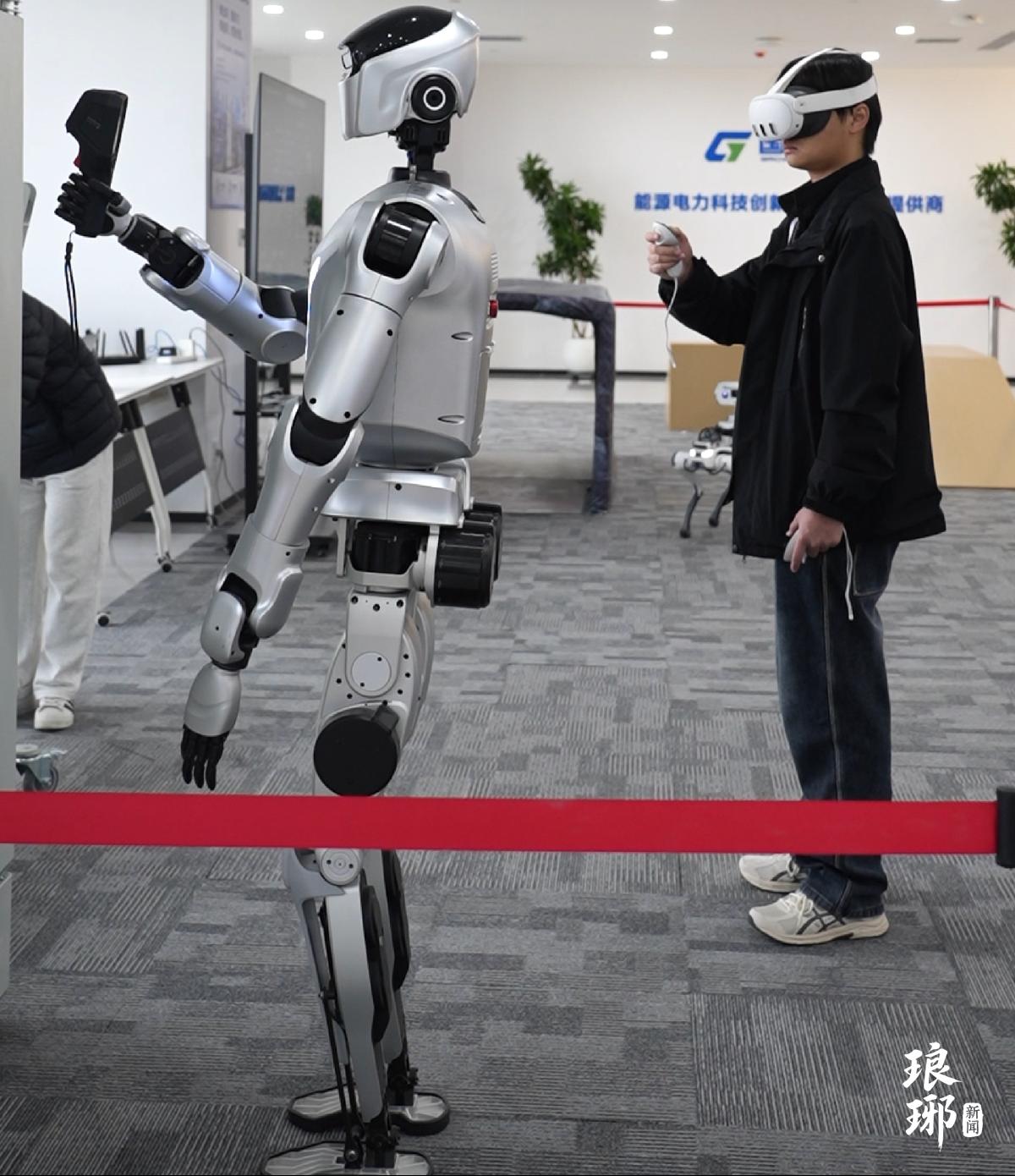
Logistics shows the sharpest gains. Trucking digital-platform operator Tuochedi says its AI matching has cut the empty-run rate by about 30 percent and overall transport costs by about 10 percent while lifting efficiency by about 20 percent. At labor-goods distributor Xinminghui, the AI-backed Nebula warehouse system — now 38 subsystems — has raised sorting efficiency tenfold since October 2024 and handles 100,000 orders a day. "Our old warehouse of 11,000 square meters needed 60 workers; our new smart warehousing park of 180,000 square meters needs the same 60," said Chen Futao, head of the warehousing center. "It used to be people looking for goods; now goods find the people."
The city counts 35 model "AI plus" scenarios, 15 of them chain-based. Above-scale industrial firms' R&D spending reached 15.13 billion yuan this year, up 11.2 percent, and high-tech industry output crossed 50 percent of the industrial total for the first time, reaching 53.5 percent.
Editor:韩蒙蒙