

Innovation fuels Linyi's drive to become a trillion-yuan city
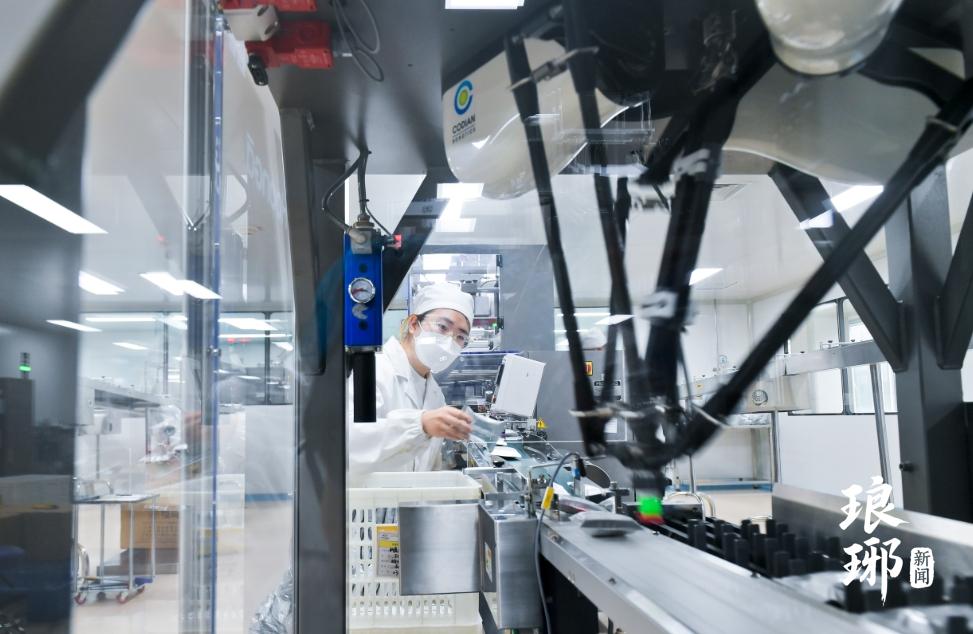
With its GDP topping 690 billion yuan ($97.2 billion) and four consecutive years among China's top 100 innovative cities, Linyi in East China's Shandong province is pinning its next stage of growth on science, technology and artificial intelligence as it aims to become a trillion-yuan city and a sub-center of Shandong.
The city made technological innovation and "AI plus" the core topic of its first conference of this year, followed by a special action plan for AI development, draft legislation on science and technology innovation, and a dedicated municipal AI development bureau — the first of its kind among prefecture-level cities in the province. Yet officials acknowledge the gaps: more than 80 percent of the city's above-scale industrial enterprises have no dedicated research institutions, over 70 percent have no proprietary intellectual property products and over 60 percent conduct no research activities.
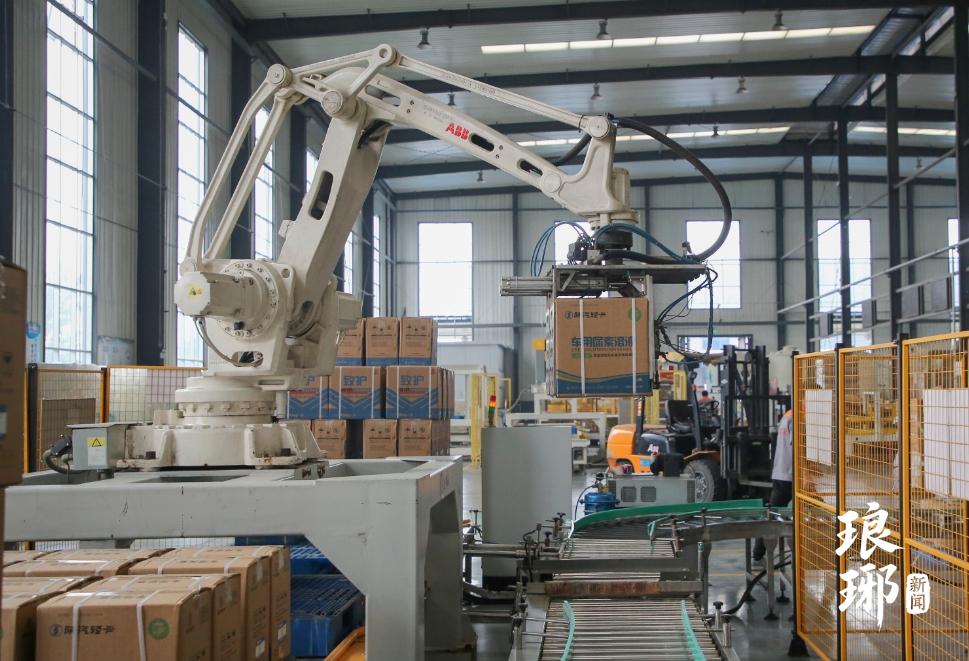
Linyi's answer is to build research capacity around its industrial strengths. The "1+13+X" industrial technology research institute system is fully in place, with 13 institutes serving 537 enterprises and delivering 44 commercialized achievements, helping lift the share of high-tech industries in the city's industrial output above 50 percent. The city's 13 landmark industrial chains and its vast commerce and logistics networks have generated 83 "AI plus" application scenarios, 35 of them under focused cultivation and 15 embedded in key industrial chains, covering smart trade and logistics, public services, modern agriculture, education and finance.
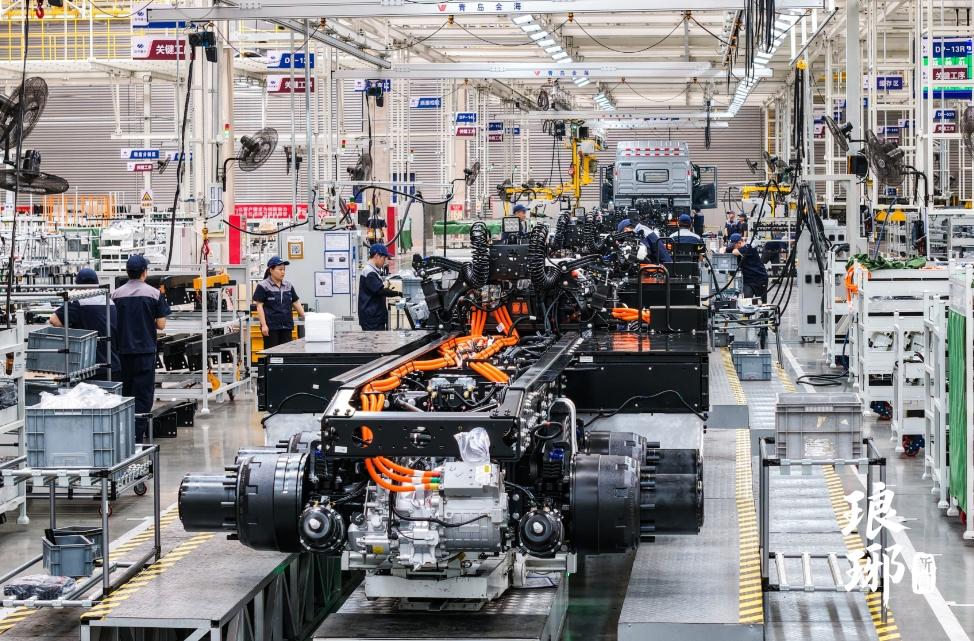
Breakthroughs are emerging in niche sectors. A freight-sector large language model has cut the empty-running rate of trucks by about 30 percent; a local company is tackling wearable humanoid mecha; and 14 robotics firms have settled in the city. The "Langya Token Factory" computing project is plugging Linyi into the national integrated computing network, supported by the Huaihai (Linyi) big data center.
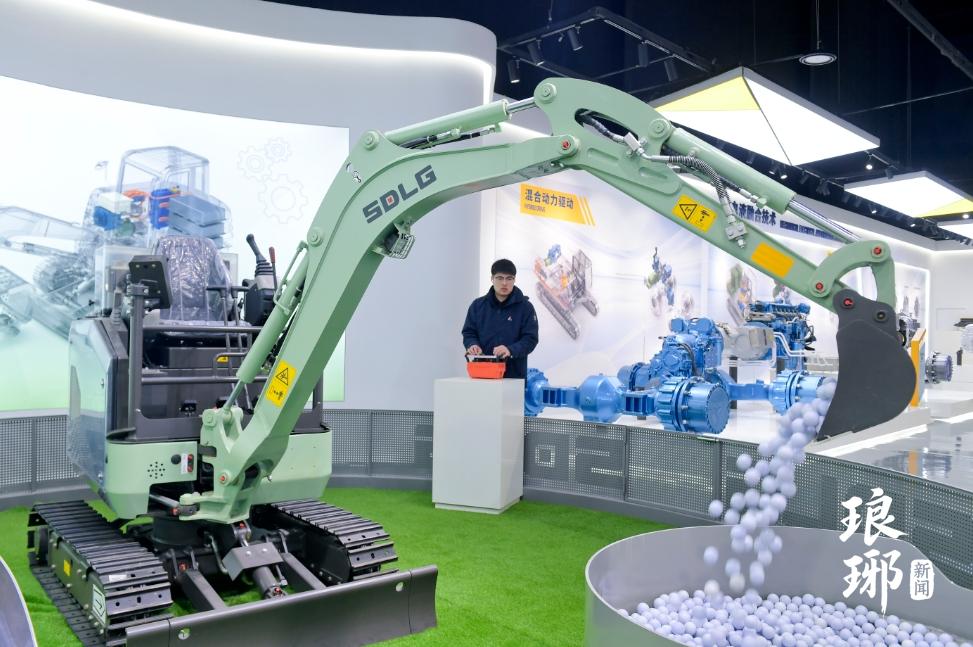
Support measures keep stacking up. The city added 109 provincial and municipal science and technology platforms this year, including an academician workstation at Luoxin Pharmaceuticals, a national key laboratory at Lunan Pharmaceutical Group and a provincial technology innovation center at Stanley. Talent enclaves in Beijing and other hub cities have brought in 260 high-level experts — one aluminum company's Beijing enclave developed lightweight new-energy materials that added 200 million yuan in loans for scientific achievements.
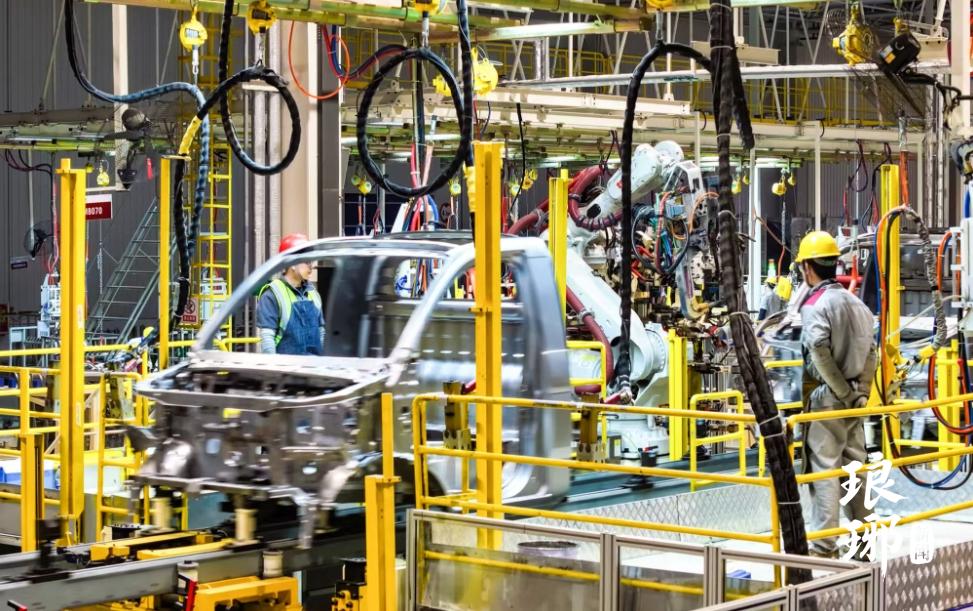
Local officials said the city will keep strengthening platforms, talent and finance to turn its industrial advantages into innovation momentum on the road to a trillion-yuan economy.
Editor:韩蒙蒙