

Pingshang town in Junan revitalizes idle land for integrated agriculture, culture and tourism
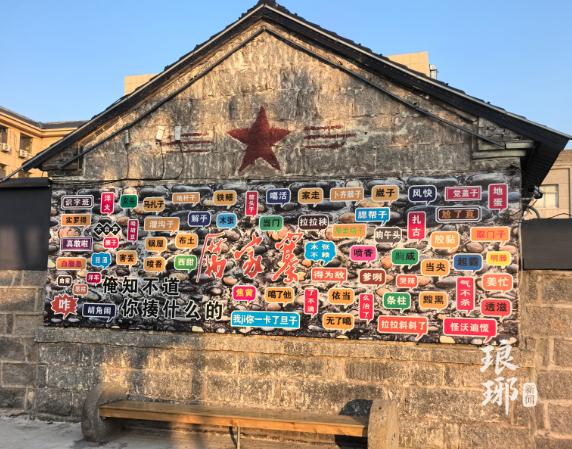
Pingshang Town of Junan County explores a new development model of revitalizing idle rural assets, empowering characteristic industries and upgrading cultural tourism businesses, fully implementing the guiding spirits of the Fourth Plenary Session of the 20th CPC Central Committee. The Haoli 1957 Cultural Tourism Courtyard project transforms abandoned village premises into a comprehensive rural consumption landmark, driving collective income and industrial vitality.
To solve problems including low utilization of village-owned assets, single rural business formats and weak collective revenue growth, the town launched renovation projects for old Lijiazhai village sites last year. Adopting market-oriented operation and open bidding, the town introduced professional cultural tourism operator Hanjing Culture. The project invested over 6 million yuan to renovate a total construction area of 4,859 square meters, reconstructing dilapidated idle houses and vacant lots into multi-functional spaces. It generates a stable annual guaranteed operating income of 70,000 yuan for village collectives.
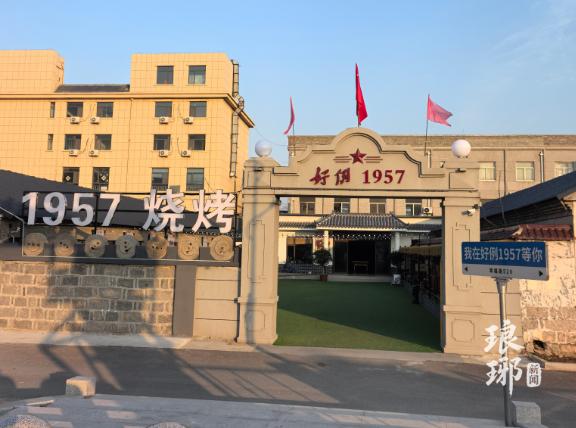
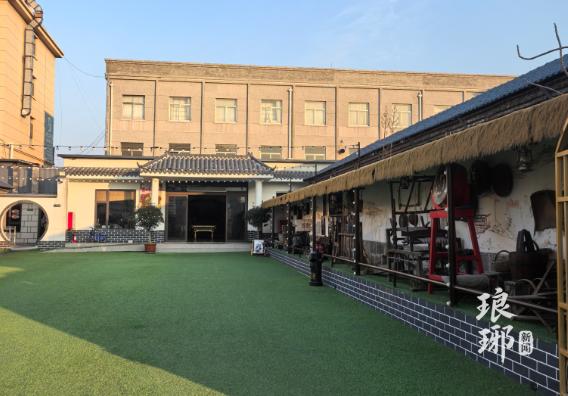
Rooted in local Lijiazhai culture and supported by the superior location of Haoli Square, the courtyard integrates featured catering, boutique homestays, leisure performances and rural recreation into one compound space. The town regularly holds flower festivals, cherry galas, equestrian events and theatrical shows at the venue to draw crowds and boost surrounding rural consumption.
An innovative four-party coordination mechanism has been established: village collectives provide idle land, county asset management departments improve supporting facilities, the town government leads investment promotion, and social capital delivers professional operation. This model resolves historical legacy issues of old premises, improves rural infrastructure and introduces mature commercial formats to form a positive cycle of resources, capital and talents.
Since its official opening last September, the venue has hosted more than 10 themed events and received over 30,000 visitors, with homestay rooms fully booked year-round. Moving forward, Pingshang plans to cooperate with wood culture museums and intangible cultural heritage associations to introduce woodcraft, paper-cutting, bronze rubbing, pottery and traditional dyeing workshops, building an immersive heritage experience base integrating inheritance, research tours and live-stream sales. The town will replicate this model to activate idle resources across the whole region and set a benchmark for integrated agriculture-culture-tourism development.
Editor:韩蒙蒙