

Linyi optimizes “one‑event” reform for school admission to deliver faster and more convenient public services
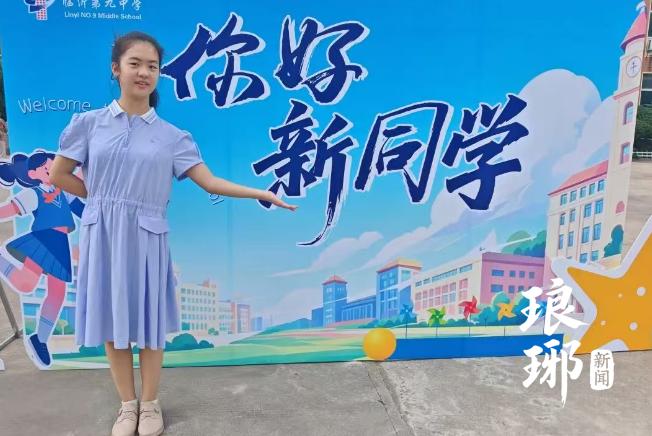
As part of the city‑wide “Welcome to Linyi: worry‑free services” business‑environment and government‑service improvement campaign, Linyi deepens the “one‑event” comprehensive reform for compulsory‑education school admission, streamlining enrolment procedures and realizing “less paperwork, fewer trips and smarter data‑driven services” for parents and guardians.
In the past, families had to prepare stacks of paper‑form certificates including household‑registration documents, property deeds, social‑security records and housing contracts, and submit materials at multiple offline service windows. Under the new reform, Linyi builds a cross‑department data‑sharing mechanism linking education, public security, housing‑and‑urban‑rural‑development, civil‑affairs and big‑data authorities. Core certification materials can be automatically verified via government data interfaces.
Parents can complete the whole admission application procedure on the provincial Ai Shandong mobile‑service app. They fill in basic information online, and relevant departments conduct joint background verification behind the scenes. In most circumstances, applicants do not need to submit paper‑form proof documents or travel to offline government halls, achieving “zero paper materials and zero in‑person visits” for many applicant groups.
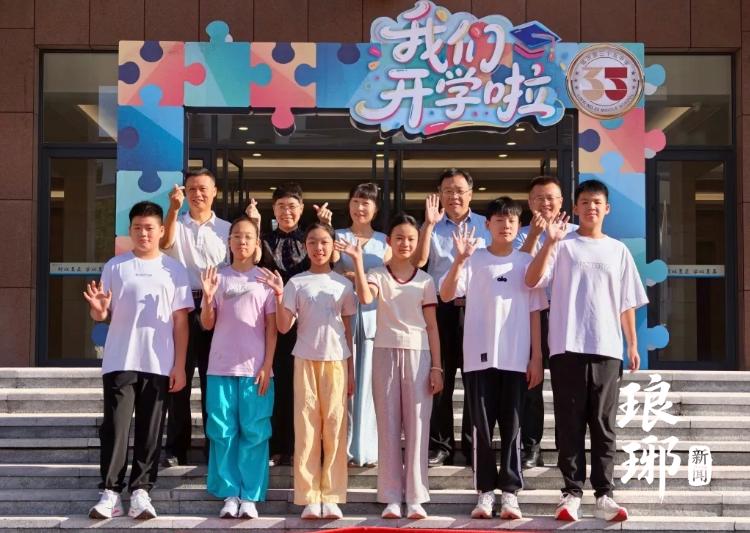
The reform pays special attention to the needs of migrant workers’ children and mobile populations. Special admission channels are reserved for children of migrant business operators and employees living in Linyi. Information comparison based on residence permits, social‑security payment records and business‑registration documents supports fair school‑seat allocation for mobile‑population youngsters.
Meanwhile, offline help‑desks remain available for senior guardians and families who encounter digital‑operation difficulties. Service staff provide manual guidance, on‑site form‑filling assistance and hotline consultation services, ensuring the reform brings convenience without creating digital barriers.
The “admission‑one‑event” reform greatly shortens processing cycles, reduces the burden on mass‑service windows, and promotes equitable access to compulsory‑education resources. It is one concrete practice of Linyi's efforts to build a service‑oriented digital government.
Editor:韩蒙蒙