

Night classes keep Junan workers' cultural palace busy after hours
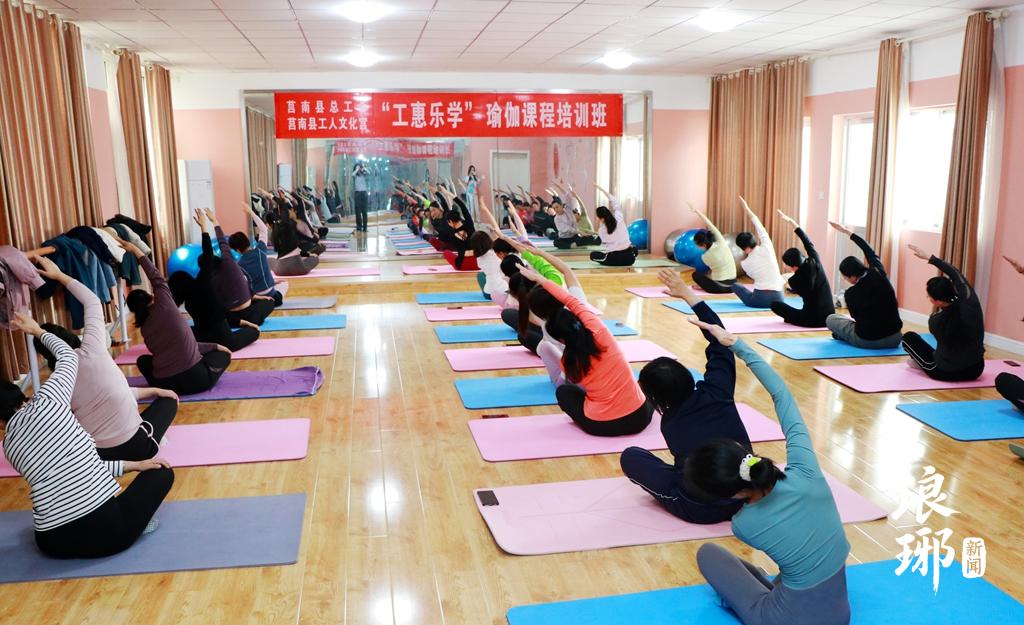
At 8 pm, the workers' cultural palace of Junan county in Linyi, East China's Shandong province, is still lit up. "Intangible heritage handcraft, home organizing, baduanjin — I have not missed a single session," said a trainee surnamed Gao as he prepared for his evening class. "Learning skills, keeping fit, making friends — the cultural palace has become the place workers go after work."
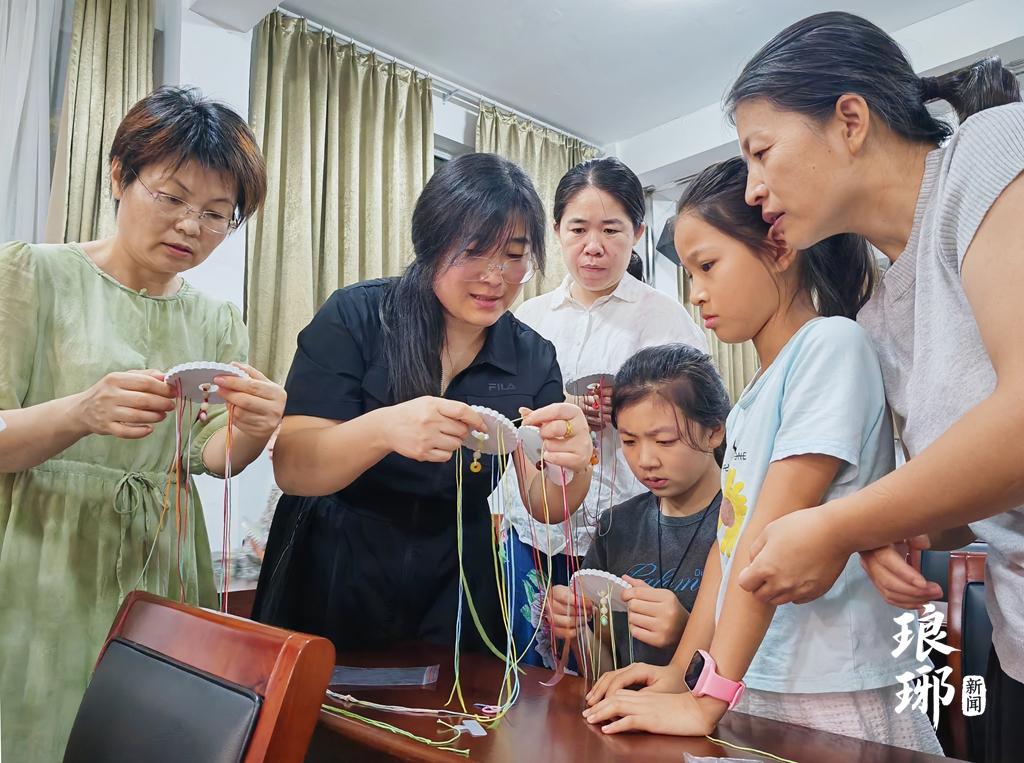
The palace's evening activity is the product of staggered service arrangements introduced this year by the Junan County Federation of Trade Unions, which extended opening hours into evenings and rest days to answer a complaint common among workers: no time for activities during the workday, nowhere to go after it. The goal, in the federation's words, is a venue whose doors stay open, lights stay on and services never stop.
Evening and weekend slots are filled with skills training, sports and arts classes and parent-child reading. Around four dimensions — ideological guidance, quality improvement, culture and aesthetics, and general welfare — the palace runs a regular program of theory lectures and intangible heritage experiences, backed by weekend book-sharing sessions and sports competitions. A "workers order, union delivers" model matches offerings to demand under the federation's "Junan Workers' Academy, Together on the Road" service brand.
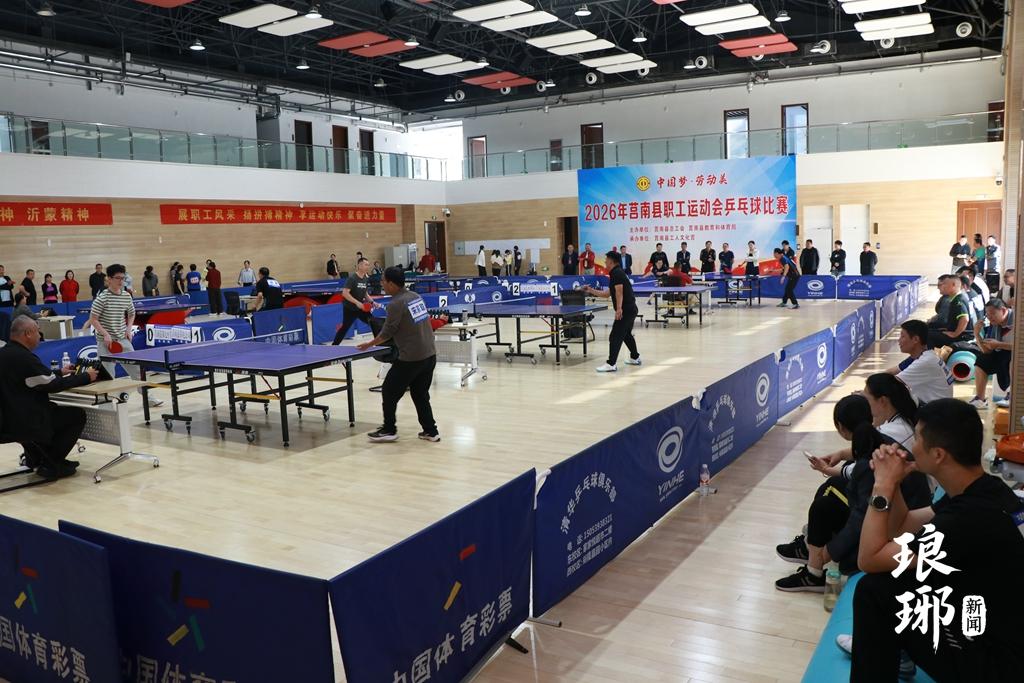
The palace also links with grassroots sites to send classes into enterprises, schools and communities, and runs online micro-courses and cloud exhibitions that reach frontline and gig workers. More than 100 cultural and sports activities have been held so far, with handcraft miniature horses, butterfly paper-cutting, packed organizing classes and well-reviewed table tennis and badminton courses among the most popular.
Editor:韩蒙蒙