

Micro-vacation model reshapes Mount Meng's tourism economy
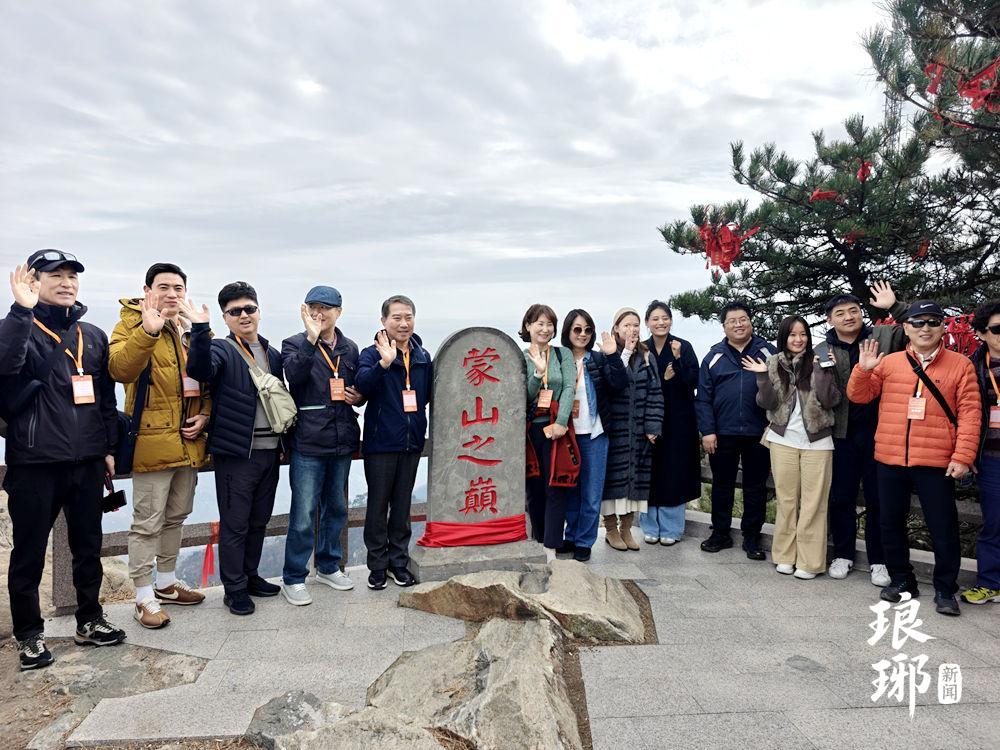
On Nov 15, with schools on autumn holiday, visitor numbers at Mount Meng rose sharply enough that the scenic area issued a crowd control notice to guide arrivals in an orderly way.
The surge is the payoff of a shift in strategy. Rather than selling a climb to the summit and a view, the Guimeng and Yunmeng scenic areas have been rebuilt around the idea of a short stay: get visitors to stay, enjoy themselves and want to come back.
The core of that effort is Mengtong Shengjing, a resort at the foot of the mountain that opened last year and closed the loop between sightseeing on the mountain and lodging below it. By day it runs costume parades, character interactions, traditional blessing ceremonies and folk performances through its streets; at night the beach bar strip lights up with live music, night markets and themed events. On weekends and holidays the mountain and the resort operate as one destination, with food, study programmes, leisure and evening entertainment running around the clock.
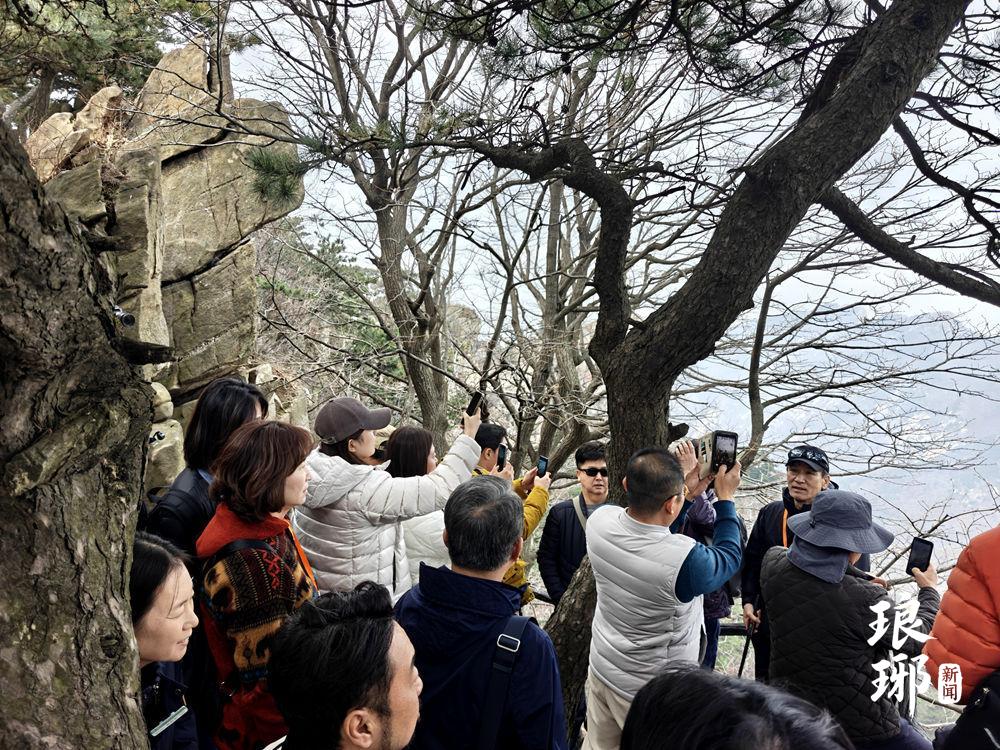
Since Mengtong Shengjing opened, visitor numbers across Mount Meng have risen 50 percent, according to the operators. The two-day micro-vacation format has drawn visitors from Zaozhuang and Xuzhou and even tour groups from the Republic of Korea and Thailand. The resort now receives about 4,000 visitors a day, rising to 10,000 at weekends; during the 2026 Spring Festival it took in 120,000 in a single day.
The commercial street is lined with shops selling Yimeng snacks, craft workshops, cultural-creative stores and heritage performances. "One Xinjiang barbecue shop did more than 80,000 orders in a single day at its peak," said Zhang Fei, general manager of Shandong Mengshan Yuanjiacun Commercial Operation Planning Co.
Mengtong Shengjing charges no admission, replacing ticket revenue with a range of paid experiences: a 6,500-square-meter Yimeng stir-fried chicken garden, traditional workshops making pancakes, sesame oil and vinegar, a 20,000-square-meter beach district for nightlife, and a children's adventure park, forest hot springs and lakeside leisure areas aimed at families, wellness travellers and younger visitors.
The homestay cluster is central to keeping people overnight and is part of Linyi's wider "Yimeng nostalgia" homestay brand, with national chains set among the hills and stone-walled courtyards opening onto mountain views. "When I travel I prefer homestays, and the ones at Mount Meng have their own scenery — mountain mist in the morning, wind in the pines at dusk, markets and hot springs, then sleep to the sound of the mountain," said Mr Li, a visitor from Hangzhou who came with his family.
Editor:韩蒙蒙