

Immersive performances fuel cultural tourism boom in Linyi
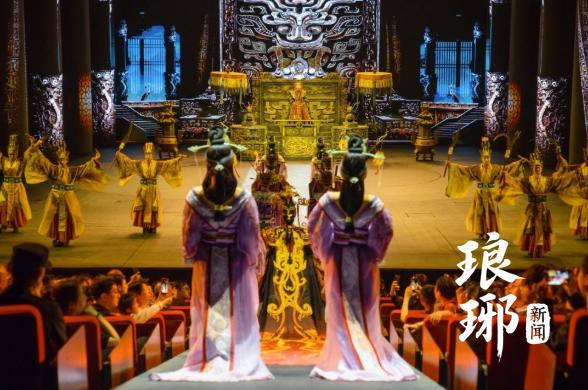
A scenic area in Linyi, East China's Shandong province ranked fourth among attractions nationwide in booking heat on Qunar, a major online travel platform, during the National Day holiday, a sign of how immersive performing arts have turned the city into a new travel destination.
Langya Ancient City in Hedong district has built a matrix of signature shows. The six-act indoor performance National Show: Langya uses 178 sets of self-developed stage machinery and more than 400 sound, lighting and video devices to unfold 3,000 years of Langya history, while the outdoor horse show Guoshi Han Shanhe features galloping horses against a rising city wall. Short street plays and interactive performers weave shows through streets, bridges, markets and alleys, turning a quick look into a full-day stay.
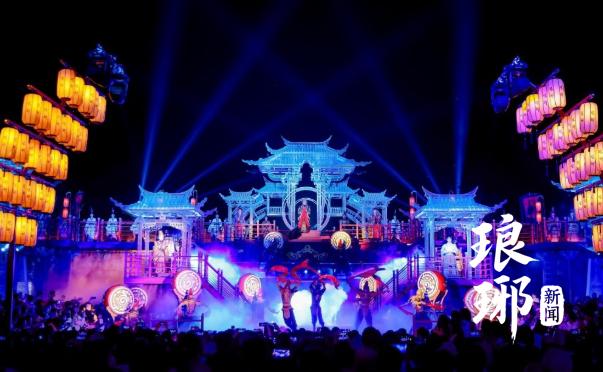
The numbers show the pull. The scenic area received more than 3 million visitors in 2024, more than 4.6 million in 2025 and over 5.6 million in the first 10 months of 2026, with 86 percent coming from outside the city. National Show: Langya has staged more than 2,500 performances for over 5.5 million spectators, with occupancy steadily above 85 percent, and entered the second batch of the national list of premium tourism performances. Daily performances have grown from about 120 to more than 300 this year, peaking at over 800 during major holidays.
The shows draw deeply on local culture. Created with input from local historians, folklorists and inheritors of intangible cultural heritage, the productions reference artifacts and archives from the Yinque Mountain bamboo slips museum, the Dongyi culture museum and the former residence of Wang Xizhi. "Every performance is distilled from the excellent culture of Langya," said Liu Yunfeng, founder of the scenic area.
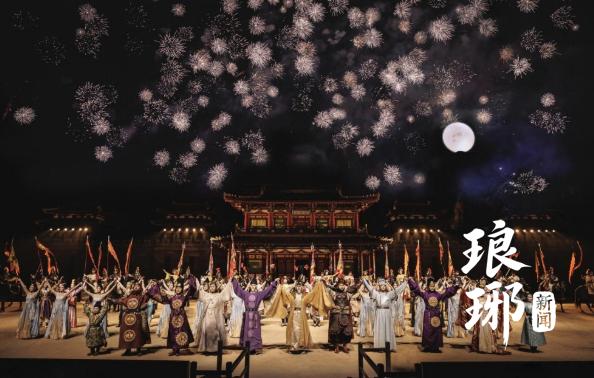
The boom is spilling over. Hedong district has built a "1+N" performance matrix linking dining, lodging, transport, shopping and entertainment: 12 food clusters helped lift district catering revenue by 6.6 percent in the first eight months of 2026, and lodging revenue rose 13.2 percent over the same period, supported by hot spring resorts and boutique homestays. The project directly employs more than 3,000 people and indirectly supports 15,000 jobs. Linyi, once a city that sent holidaymakers elsewhere, is now one that draws them in.
Editor:韩蒙蒙