

Linyi grows heritage crafts into industries while keeping their roots
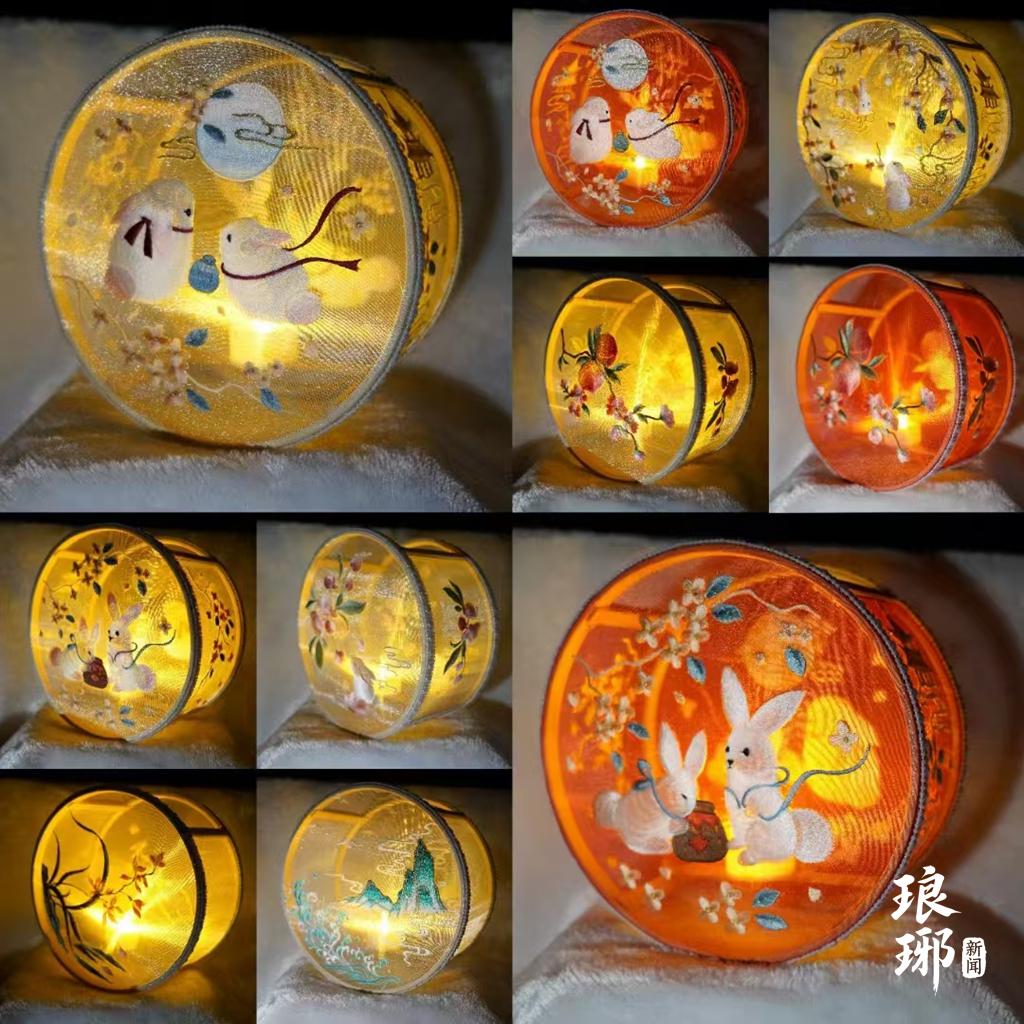
In the Qingheji handcraft studio at the Denghuo Lanshan New Langya block in Linyi, East China's Shandong province, young visitors examine embroidered drum-shaped lanterns by lamplight each evening — bamboo frames, embroidered faces, lanterns made like drums. Lantern maker Su Guoyou, whose family has made lanterns for over a century, added hanfu embroidery elements to his craft. "Every era has its own aesthetics," he said.
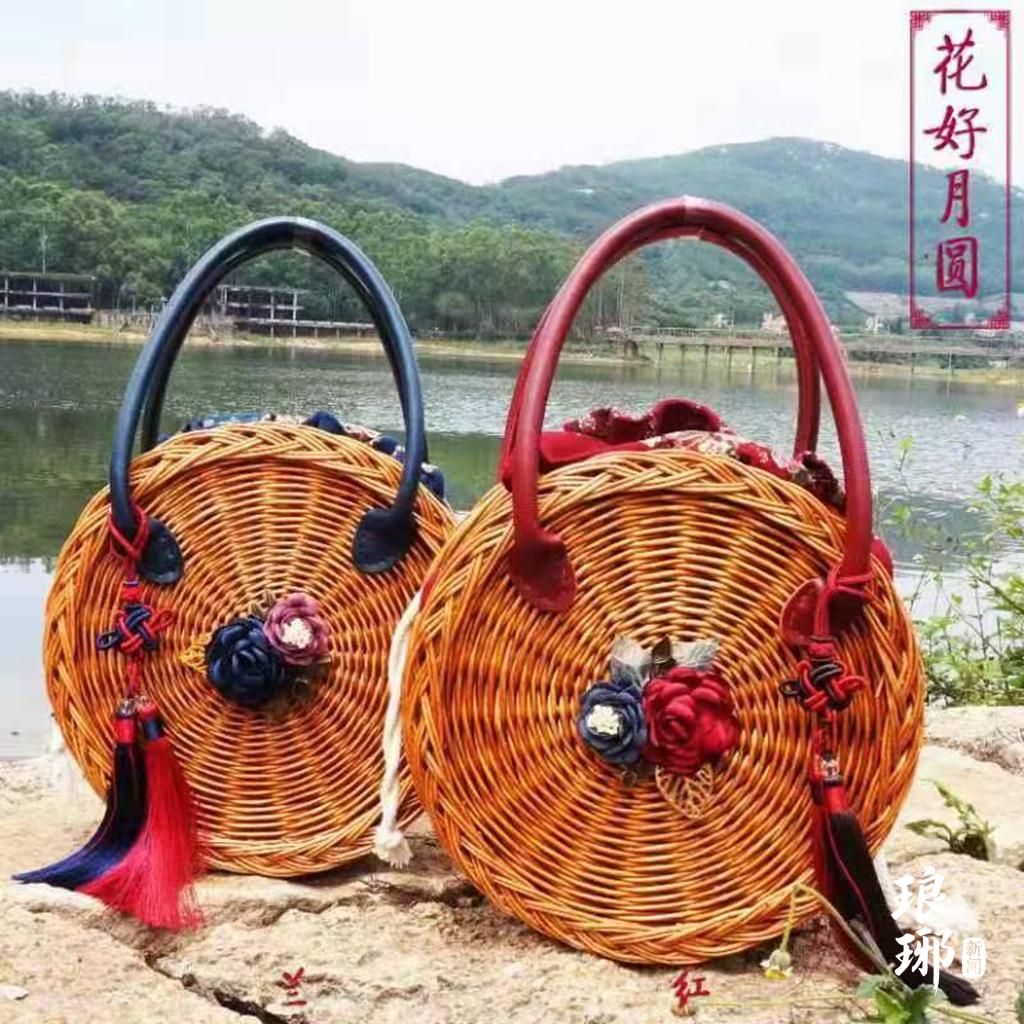
That sentence captures the question behind the city's "Shandong Handcraft, Made in Linyi" initiative: how a needle, a stalk of grass or a piece of wood can keep its heritage while growing into an industry. The answer, so far, is a set of rural industrial clusters with unmistakable cultural identity. Linshu county's willow weaving has become the world's largest willow weaving base, with exports accounting for one third of the national total. Honghua town in Tancheng county turns out more than 30 million Chinese knots a year — 7 of every 10 sold nationwide — and supports 30,000 jobs. Miaoshan produces more than 300,000 erhus a year, over half of national output and sales, while Gaoyu village in Junan county makes more than 50 million wooden combs a year, or 70 percent of the national market share.
The city nurtures the clusters through parks, online exhibitions and platform support. In the first half of 2026, Linyi's cultural industry generated added value of 13.02 billion yuan in consumption.
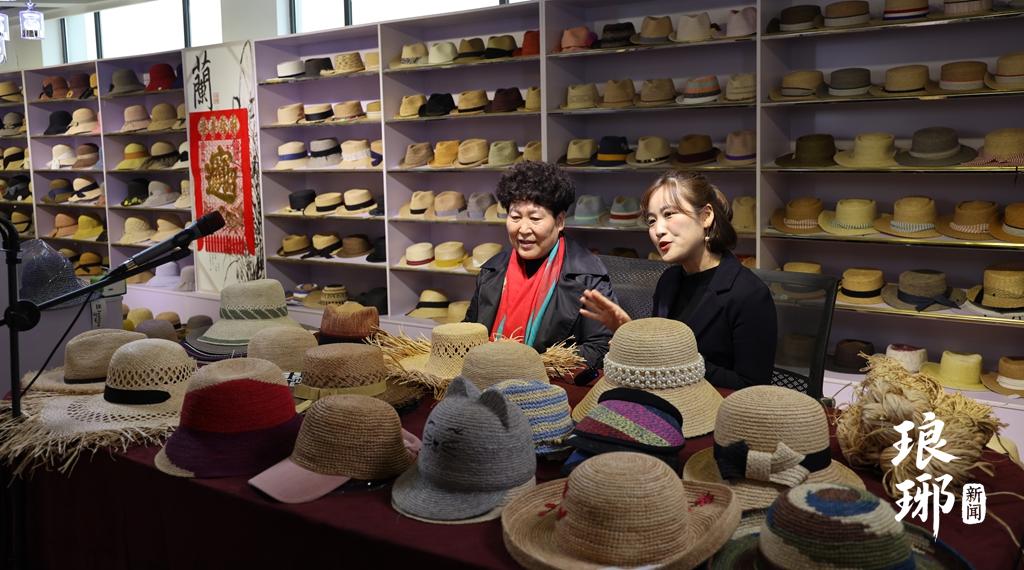
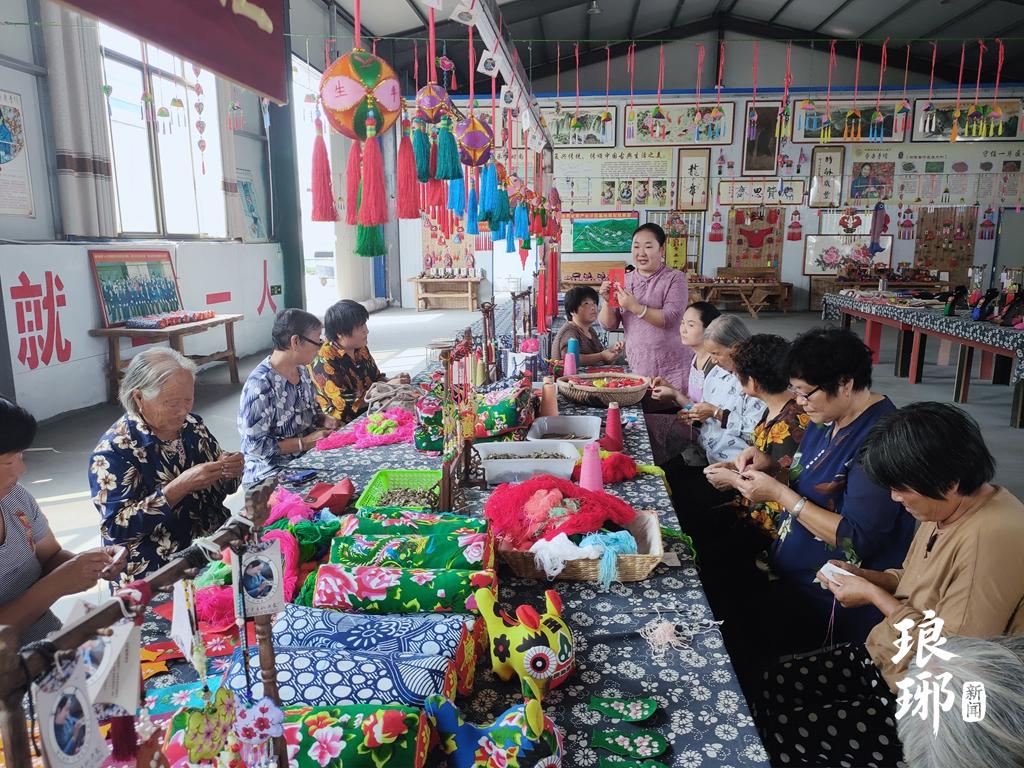
Between preservation and industry, the city is building a middle layer of workshops. A hand-embroidery workshop in Fei county links more than 1,500 rural women into the industry chain through a "core workshop plus flexible jobs" model and was listed among the national exemplary cases of intangible cultural heritage workshops. In straw-weaving workshops, middle-aged and elderly women fill European orders while chatting — products sell to more than 40 countries and regions, and per-capita annual income tops 10,000 yuan ($1,410).
Young people and technology are joining in. A student team from Linyi City Vocational College uses AI modeling and computer-controlled coloring to redesign dough sculpture workflows, shortening production from days to half a day, an 80 percent efficiency gain — technology that frees artisans from repetitive steps rather than replacing them. The city is also building a handcraft IP database and trading platform and has laid out more than 30 exhibition and sales venues. Officials said the point is a cycle: heritage gives the industry irreplaceable cultural depth, and the industry gives heritage a steady flow of hands and market feedback.
Editor:韩蒙蒙