Legal services follow the garlic supply chain in Lanling county, Linyi
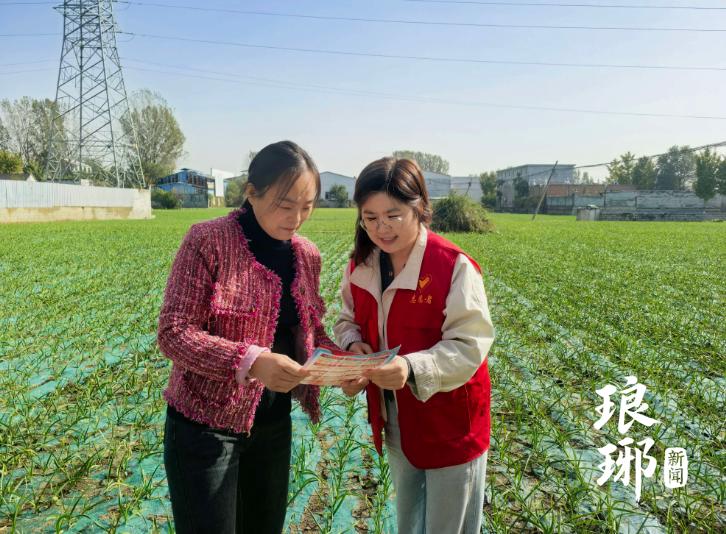
The judiciary bureau of Lanling county in Linyi, East China's Shandong province, has moved legal services to the garlic field, the cold storage and the trading market, embedding mediation and legal advice across the whole chain from planting to purchase to export in defense of the county's signature "Cangshan garlic" industry.
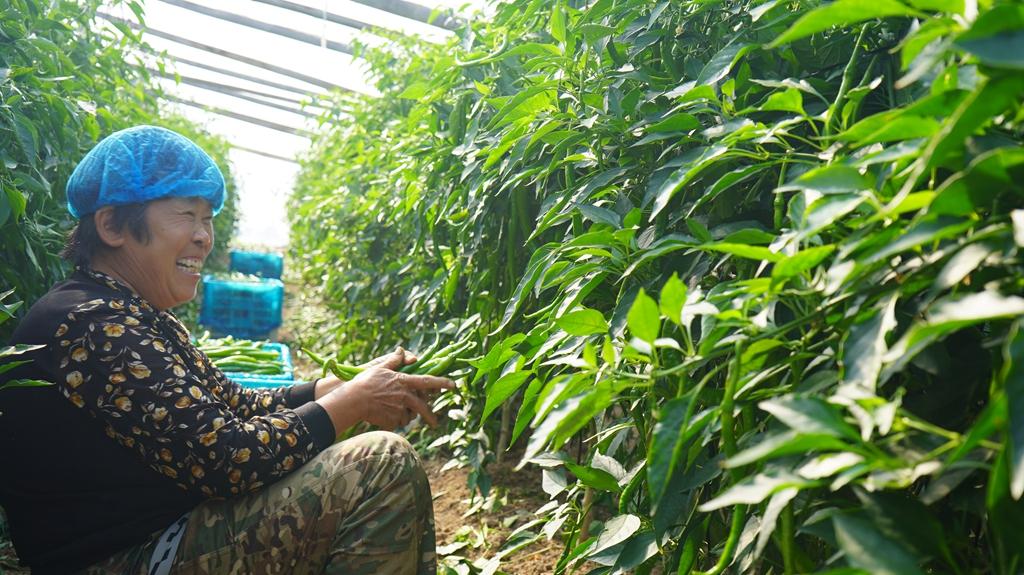
Late autumn finds 32,800 hectares — 32.8 million mu — of young garlic shoots emerging across Lanling in a green sea. As a product carrying national geographical indication status, Cangshan garlic has been grown here for over a thousand years and now anchors an industry whose full-chain output value has surpassed 20 billion yuan ($2.82 billion). Rows of constant-temperature cold stores, deep-processed products such as garlic slices and sugar garlic sold overseas, and traders who fan out across the country all rest on the crop. But the boom has brought disputes: quarrels over land transfers, substandard farm inputs, credit sales that go unpaid, storage losses and cross-region trade conflicts.
At the production end, judicial offices focus on the first link — planting. Years ago, land transfers between neighbors were settled on a handshake, and disagreements over rent or boundaries went unresolved for lack of documentation. A garlic cooperative in Moshan town preparing to lease about 6.7 hectares — 100 mu — across several villages last year received help from its local judicial office, which applied a county-township coordination mechanism for legality review, brought in agronomists and legal advisers, and refined the transfer agreements clause by clause, writing rent deadlines, land return terms and soil protection obligations into the contract. This year, judicial offices across the county have reviewed 601 rural contracts and issued more than 740 legal opinions.
At the storage end, the county has built a three-tier mediation network. In one case last June, a trader bought more than 6 million yuan in direct losses for farmers, and handled 81 rural legal aid cases recovering 500,000 yuan ($70,000) more.
At the sales end, the county serves its 400,000 traders who operate year-round in the Yangtze and Pearl River deltas. A garlic trader from Nanqiao town was owed more than 4 million yuan ($563,000) by a client in Shanghai; instead of traveling back and forth, he turned to the town's legal service station in Shanghai, which sorted his invoices and evidence remotely and coordinated with local legal forces to mediate. The county plans to expand such contact stations across the Yangtze River delta region, build a specialized rural-industry mediation committee, and establish expert assessment mechanisms for farm produce losses.
Editor:韩蒙蒙
LATEST
- Global buyers conference to boost Linyi's trade reach, international profile
- Xi Focus: CPC charts course for tougher action against corruption, stronger self-governance ...
- Top political adviser urges study, implementation of key Party plenum's guiding principles