Tancheng county builds full-chain legal service system for enterprises
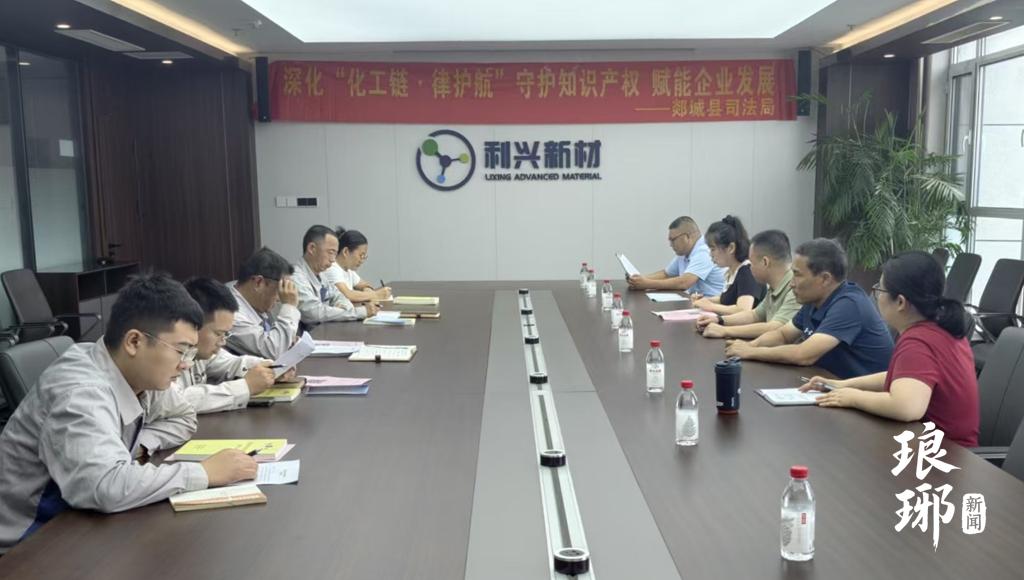
The Tancheng county judicial bureau in Linyi, East China's Shandong province, has built a full-chain system for strengthening teams, preventing risks and resolving disputes quickly, focusing on intellectual property protection and compliance risk control in the fine chemicals industry chain.
This year the bureau has visited 42 key enterprises, provided more than 500 legal consultations and identified and rectified 26 risk hazards, with the rate of resolving enterprise disputes at an early stage rising significantly.
On building capacity, the bureau has held four legal practice training sessions covering more than 150 legal service staff, sent more than 10 key staff to municipal intellectual property training, and formed a specialized intellectual property legal service team with nine full-time mediators who understand both law and industry. For the fine chemicals sector, it selects lawyers and notaries familiar with work safety and corporate compliance under a "1+1+N" service mechanism, keeping a dynamic ledger of corporate legal needs. It has helped enterprises resolve more than 80 legal problems, shifting legal services from general to industry-specific.
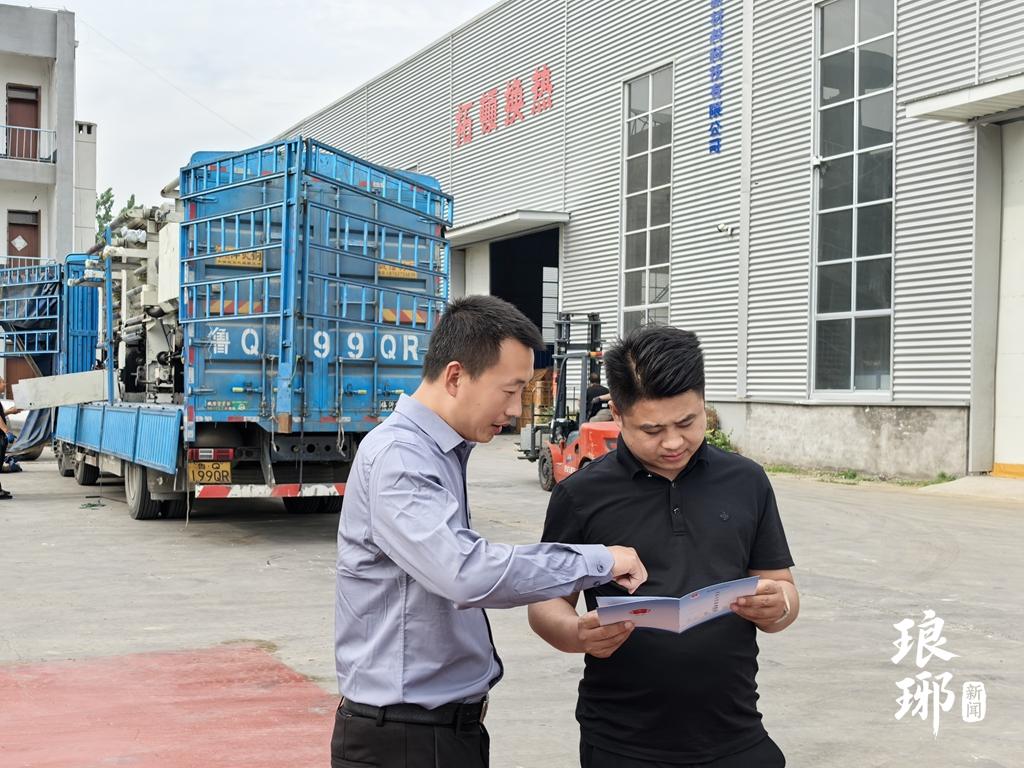
On moving services to the frontline, the bureau has opened a green channel for enterprise legal services and applies a mechanism allowing notarization with missing materials on a deferred basis, screening patent and trademark risks, preserving evidence through notarization and bringing legal education to production lines. It has conducted 37 legal checkups and handled 12 enterprise-related notarizations this year, focusing on work safety and labor employment in the fine chemicals industry.
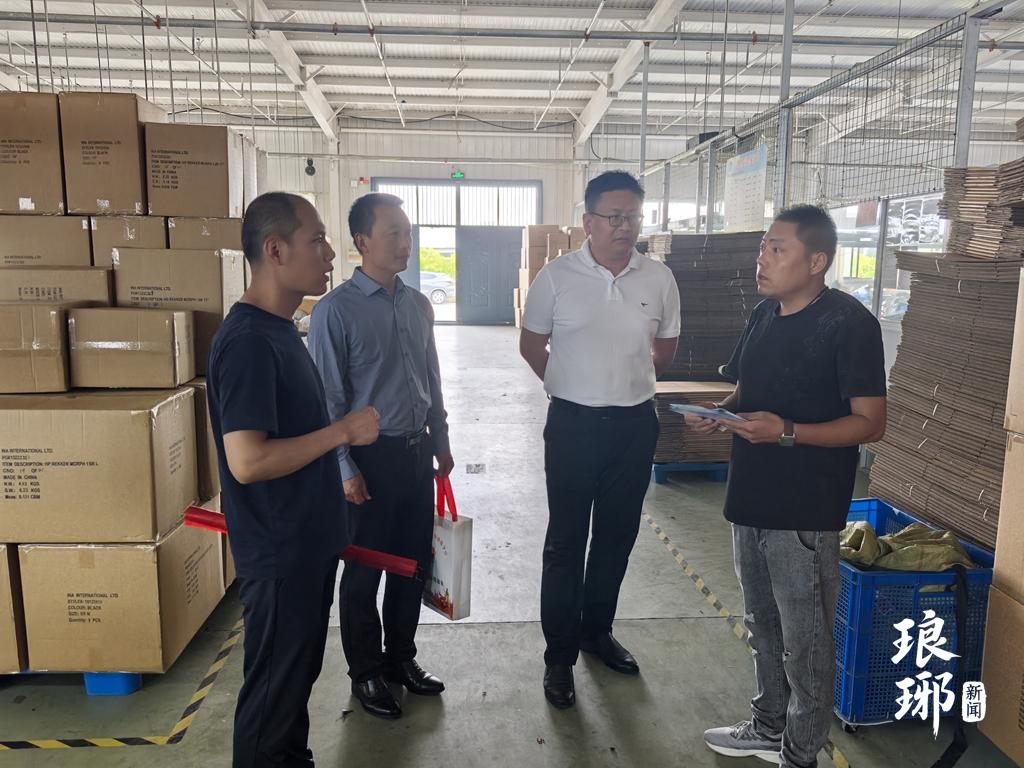
On coordinated resolution, the bureau has operationalized its people's mediation committee for intellectual property disputes, establishing six systems covering case acceptance, handling and archives, and linking people's mediation with judicial confirmation and administrative handling so disputes are resolved before litigation. It has also worked with industry regulators on consultation, referral and joint handling mechanisms, resolving 15 enterprise-related legal issues collaboratively, and pairs each resolved dispute with compliance improvements so that settling one case standardizes a category.
Editor:韩蒙蒙
LATEST
- Linshu county builds law-based business environment
- Linyi High-tech Zone cultivates 28 youth-run shops
- First secretary Yang Zhou transforms Jiangzhuang village