Premium apple brand lifts incomes in Daigu town, Mengyin county
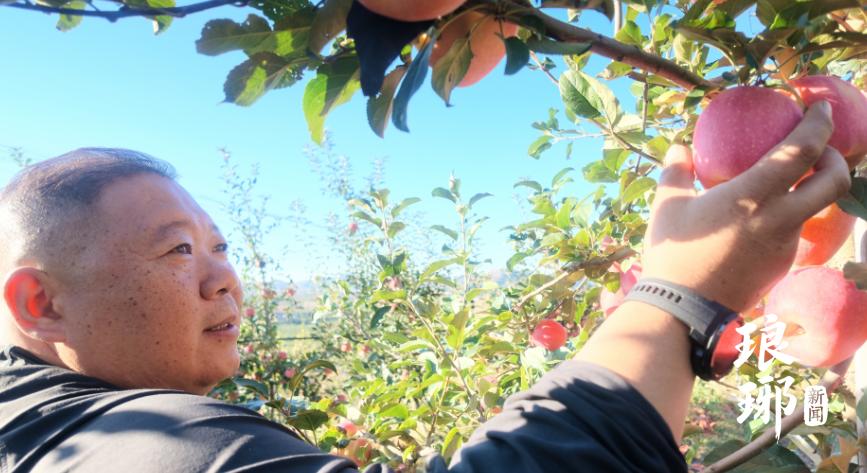
Wang Dundun, a young entrepreneur who returned to his home village of Dagushan in Daigu town, Mengyin county, Linyi, East China's Shandong province, in 2016, has built a 500-mu (33-hectare) apple demonstration orchard around a premium variety sold by the piece rather than by weight.
The "Guli Yimengcui" brand apple, grown for crispness, sweetness and even sugar distribution, sells for up to 20 yuan ($2.82) per piece and sold more than 3,000 orders in its first month on the market through livestreaming.
The orchard produces about 150 tons of apples a year with sales of about 5 million yuan ($704,000), and registered the brand as a collective trademark this year. It employs more than 300 people year-round from 20 villages in and around the town, mostly women and older residents who previously worked odd jobs.
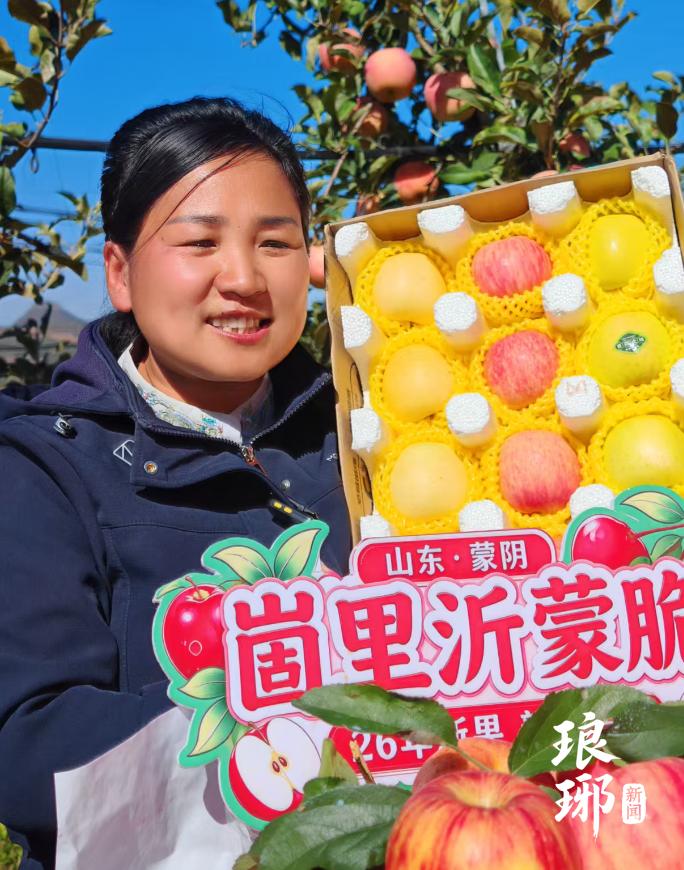
Wang plans to extend the variety and cultivation services to neighboring townships and Yiyuan county.
The town's apple base covers 30,000 mu (2,000 hectares), but faces older orchards, aging varieties and weak branding. The town is expanding high-value varieties and using Wang's orchard as a model, with a Party branch-cooperative-base-household model linking farmers.
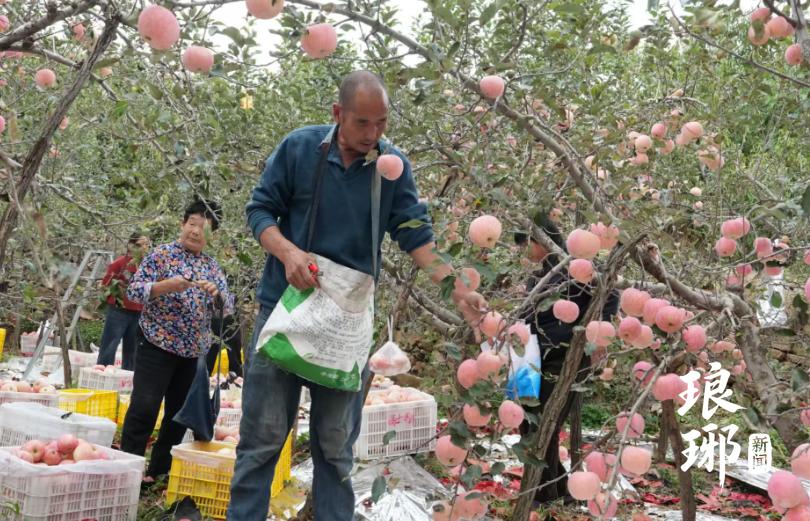
"With new varieties and technical training, our village's apple output has reached 20 million jin (10,000 tons) with a total value of over 60 million yuan ($8.45 million), raising incomes for both villagers and the collective," said Guo Min, Party branch secretary of Jiazhuang village.
Editor:韩蒙蒙
LATEST
- Global buyers conference to boost Linyi's trade reach, international profile
- Linyi sourcing conference brings more choices to global buyers
- Linyi conference strengthens trade ties with Central Asia