How a Shandong town builds a food industry out of almost nothing
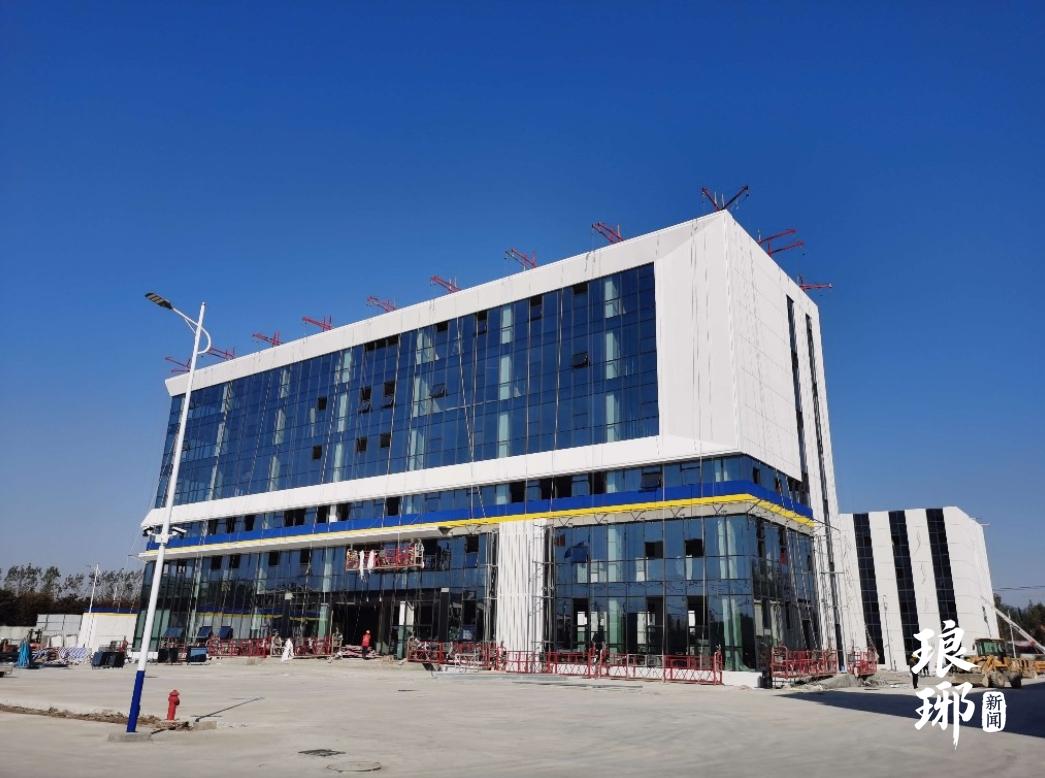
Shangye town in Fei county, Linyi, East China's Shandong province, grows none of the raw materials it processes: no durian, no gypsum, no coastline, and no large soybean belt. Yet the town has built thriving industries out of these "missing" ingredients — a case of how a rural town creates an industrial ecosystem from scratch.
At the gate of a new factory of Leshilai Food Co, job seekers lined up on Oct 29. Soon, durian pulp from Malaysia and Vietnam will be processed into mille-crepe durian cakes in the new workshops for national retail channels including Freshippo, JD and Yonghui.
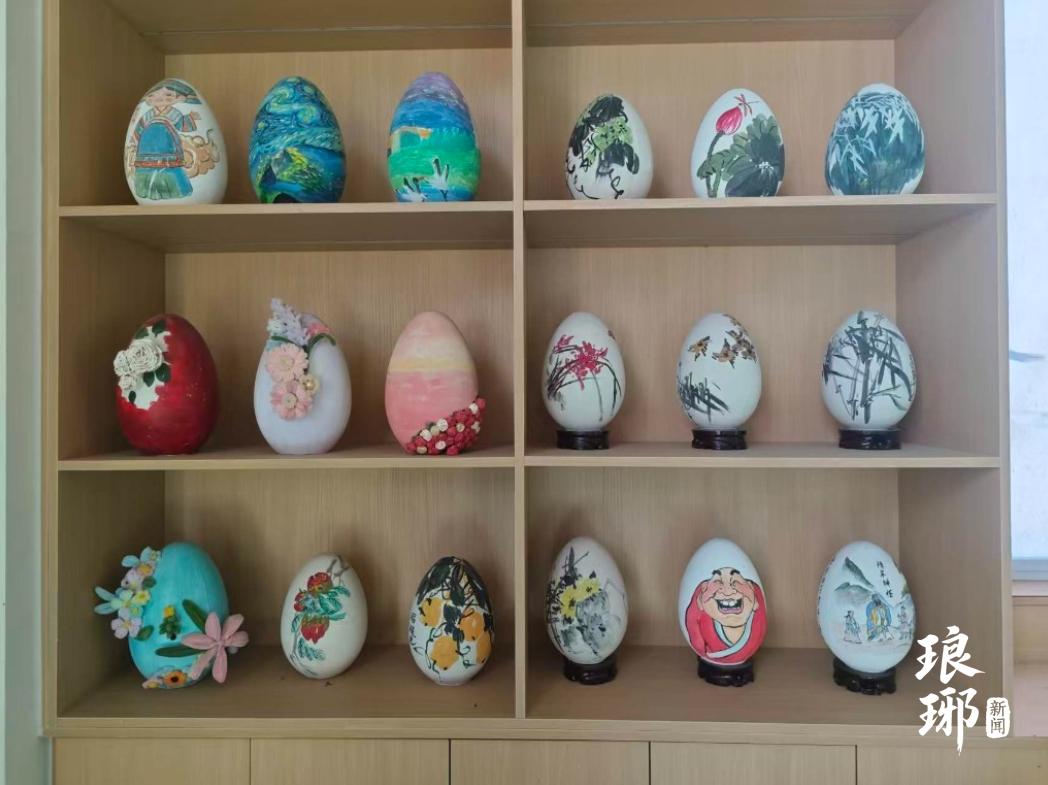
Why would an ordinary inland town do global tropical fruit business? The answer starts with golden eggs. In 1985, villager Sun Yunbing of Shuihu village bought the first gypsum molds from Wuxi and sold plaster statues door to door. In 2006, he took an OEM order of 50,000 golden eggs from a CCTV show, losing more than 10,000 yuan on the deal. "The next year, I sold the remaining several thousand white gypsum eggs online — each cost 0.6 yuan and sold for 3.5 yuan," he recalled.
As imitators flooded in and prices collapsed to a few mao per egg around 2018, the town led the creation of an industry association and an industrial park, unifying production standards, pricing and sales channels, and reorganizing more than 300 competing businesses into a coordinated force. Today, Shuihu village produces about 80 percent of the country's plaster golden eggs, and 90 percent of the plaster casts used in sketch courses of Chinese universities come from here.
Another local company, Shandong Douhuang Food Co, seized its opportunity in an industry crisis. After a 2008 food safety scandal destroyed consumer trust in dried bean curd sticks, or yuba, general manager Zhang Jingbao founded the company in 2011 to make additive-free yuba with only soybeans and water, priced at 60-70 yuan per 500 g. When promoting to Chongqing hotpot restaurants, he made 2,900 phone calls and sent 2,900 text messages — only one owner replied. Now the company runs an academician work station and grows soybeans on 10,487 hectares (157,300 mu) of black soil in Hailun, Heilongjiang province.
Building on its processing capability, the town has attracted industries whose raw materials it does not produce. "A truck from Linyi to Shanghai costs 4,000-5,000 yuan, but the return trip only 3,000 yuan — the truck comes back anyway, so carrying anything is profit," said Li Xiajie, deputy general manager of Shandong Liguolixiang Agricultural Development Group. The company's sterile workshops, kept below 20°C and 70 percent humidity with a class-100,000 purification environment for durian cakes, meet standards rarely found in Southeast Asia, and part of its procurement standards have been adopted by its partners. Its durian cakes rank first in the category on Freshippo.
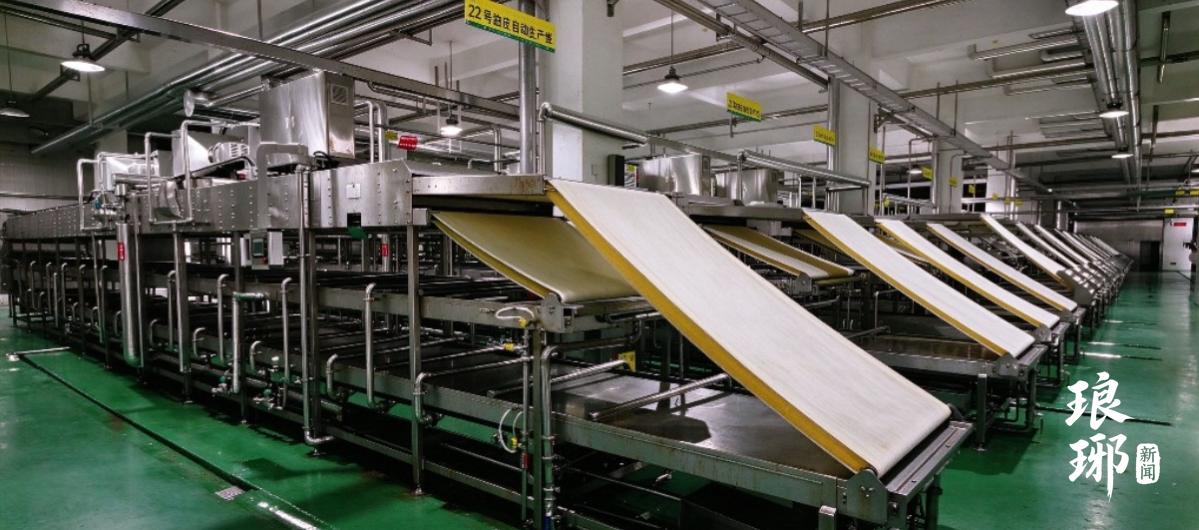
To anchor such companies, the town supplies what they need: an egg farm provides 300,000 eggs a day for Leshilai's baking, a chicken base supplies breast meat for its second phase, and a local company built a 60,000-ton intelligent cold-chain center. Jiunian sea cucumber, which has topped Tmall's Double 11 sales for 10 consecutive years, is moving production to the town, expected to bring 300 million yuan in annual output value and 15 million yuan in tax revenue.
As a national agricultural industry strong town, Shangye has more than 100 agricultural processing businesses, 4 above-designated-size enterprises, 19 logistics companies and over 200 e-commerce entities. This year, the town integrated 70 million yuan of government funds to leverage 2.25 billion yuan of social capital, creating jobs that pay 3,000-4,000 yuan a month in villages like Liren, said Han Xueqing, Party secretary of the village.
"This is a profound switch in development logic — from relying on local resources to competing on processing capability and brand value," said Xu Limin, Party secretary of the town. "Shangye has finished the first half of the story, from nothing to something. The second half, from something to excellence, is being written."
Editor:韩蒙蒙
LATEST
- Global buyers conference to boost Linyi's trade reach, international profile
- Linyi vocational college students win silver at Shanghai AI video contest
- Yishui apples win gold at provincial competition