“Four‑knock” working mechanism brings warmth to residents via grassroots governance
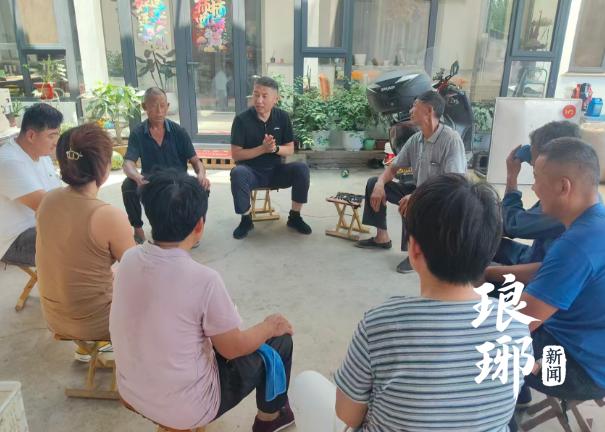
Linyi promotes the innovative grassroots‑governance practice known as the “four‑knock” working mechanism. Cadres, grid workers, community staff and volunteers take the initiative to “knock on residents’doors”, shifting from passive complaint‑receiving toward active discovery of people's difficulties, resolving public concerns at the very source and enhancing people's sense of gain and satisfaction.
The “four‑knock” covers four core dimensions: knocking for understanding public opinions, knocking for hidden‑risk screening, knocking for delivering policy benefits, and knocking for resolving conflicts and disputes. Grid‑based workers go deep into residential compounds, rural courtyards, senior households, families in difficulties and business premises. They collect unvoiced appeals that may not be submitted via hotlines or online platforms.
Instead of waiting for residents to file complaints, front‑line staff conduct regular household visits. They listen to practical troubles concerning elderly care, housing maintenance, property‑service conflicts, labor‑related issues and rural‑production bottlenecks. Collected demands enter a closed‑loop workflow: demand recording, assignment to responsible departments, coordinated handling, progress tracking and return‑visit confirmation.
For elderly people living alone, households with disabilities and low‑income families, the mechanism implements priority visiting and targeted assistance. Policy‑popularization work is delivered face‑to‑face at residents’ doorsteps, ensuring subsidy policies, social‑security services and livelihood‑support measures can reach eligible groups without information gaps.
Local authorities combine the “four‑knock” practice with the inheritance of Yimeng spirit of “putting people first”. It urges cadres to sink down to the grassroots, resolve trivial but vital livelihood issues on‑site, and build a closer bond between Party members, cadres and ordinary residents.
Editor:韩蒙蒙
LATEST
- Autumn in Linyi: A season to enjoy mountains, ancient culture
- Linyi Trade City upgrades services for global buyers
- Linyi Trade City connects local merchants with global markets