Luozhuang district shifts enterprise inspections from enforcement to service
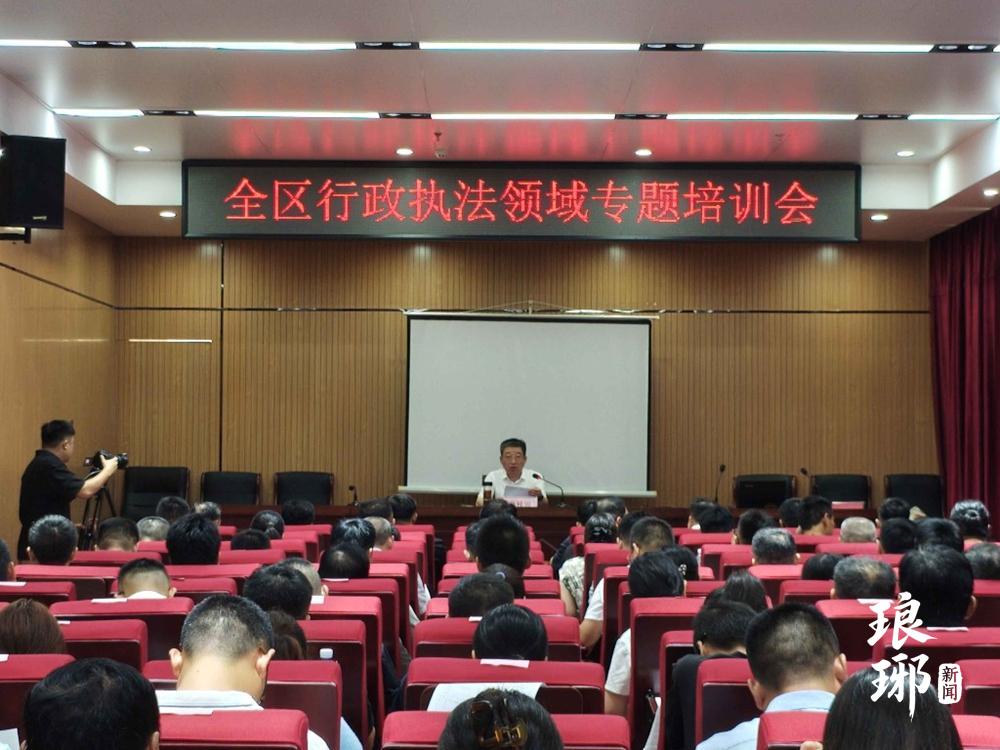
Luozhuang district in Linyi, East China's Shandong province, has built a new enterprise inspection system focused on reduction, standardization, coordination and service, shifting its approach from simple enforcement to precise service.
To tackle the frequent and repeated inspections that companies complained about, the district judicial bureau reviewed 294 inspection items across 26 enforcement fields and defined 121 cross-departmental joint inspection scenarios, backed by a monthly plan reporting system. Using the "Shandong Enforcement" platform, the district has introduced QR code entry and full-process records so every inspection is traceable. This year, the district has carried out 1,074 joint inspections, with a joint inspection rate of 53.81 percent, reducing enterprise visits by 1,072 and cutting inspection frequency by more than 10 percent year-on-year.
To prevent profit-driven enforcement, the district has set up an early warning mechanism for abnormal growth in fines and confiscations, with the judicial and finance bureaus issuing warnings when data anomalies appear. It has established 20 enterprise liaison points for enforcement supervision and engaged 30 supervisors drawn from people's congress deputies, political advisors and entrepreneurs. It reviewed 84 case files in key areas including emergency management and market regulation. This year, it has issued four work reminder letters, six notices and two supervision opinions.
The district has also promoted inclusive and prudent regulation. Eighteen enforcement departments jointly compiled a 264-item compliance guide for lawful business operations, and the district has made broad use of non-coercive measures such as persuasion, guidance and administrative advice. This year, it has handled 152 cases with no penalty or a lighter penalty, reducing fines by 5.56 million yuan ($783,000). Major decisions undergo an economic impact assessment, which has helped avoid several cases of contract default and capital chain rupture caused by administrative penalties.
The district has also organized legal service teams to visit frontline enterprises, conducting 53 legal education sessions covering more than 10,000 companies, 82 legal health checks and 125 compliance guidance opinions. It has opened a green channel for credit repair, helping 1,842 enterprises complete credit restoration this year.
Editor:韩蒙蒙
LATEST
- Linyi holds city-themed day at Shandong University to deepen ties
- Service station in Fei county streamlines business procedures
- Linyi Day at Shandong University to promote Yimeng spirit, recruit talent